Wondering if laser teeth whitening is right for you? Discover the facts and make an informed choice about your smile.
Is Laser Teeth Whitening Right for You?
According to the American Dental Association’s 2024 consumer survey, over 90% of adults report wanting whiter teeth, yet fewer than 30% have tried professional whitening treatments. This gap reflects a fundamental confusion in the marketplace: with dozens of whitening methods promising dramatic results, from DIY charcoal powders to high-tech laser procedures, most people struggle to distinguish between marketing hype and genuine effectiveness.
The stakes have risen considerably as social media culture amplifies the pressure for perfect smiles, while simultaneously spreading misinformation about whitening safety and results. For the millions considering their options, the choice isn’t just about aesthetics — it’s about making an informed decision that protects long-term oral health while delivering realistic outcomes.
Understanding how laser whitening actually works, who benefits most from the procedure, and when alternative methods might be more appropriate requires cutting through the marketing noise to examine the science. The answers often surprise people.
How Does Laser Teeth Whitening Work Compared to Other Methods?
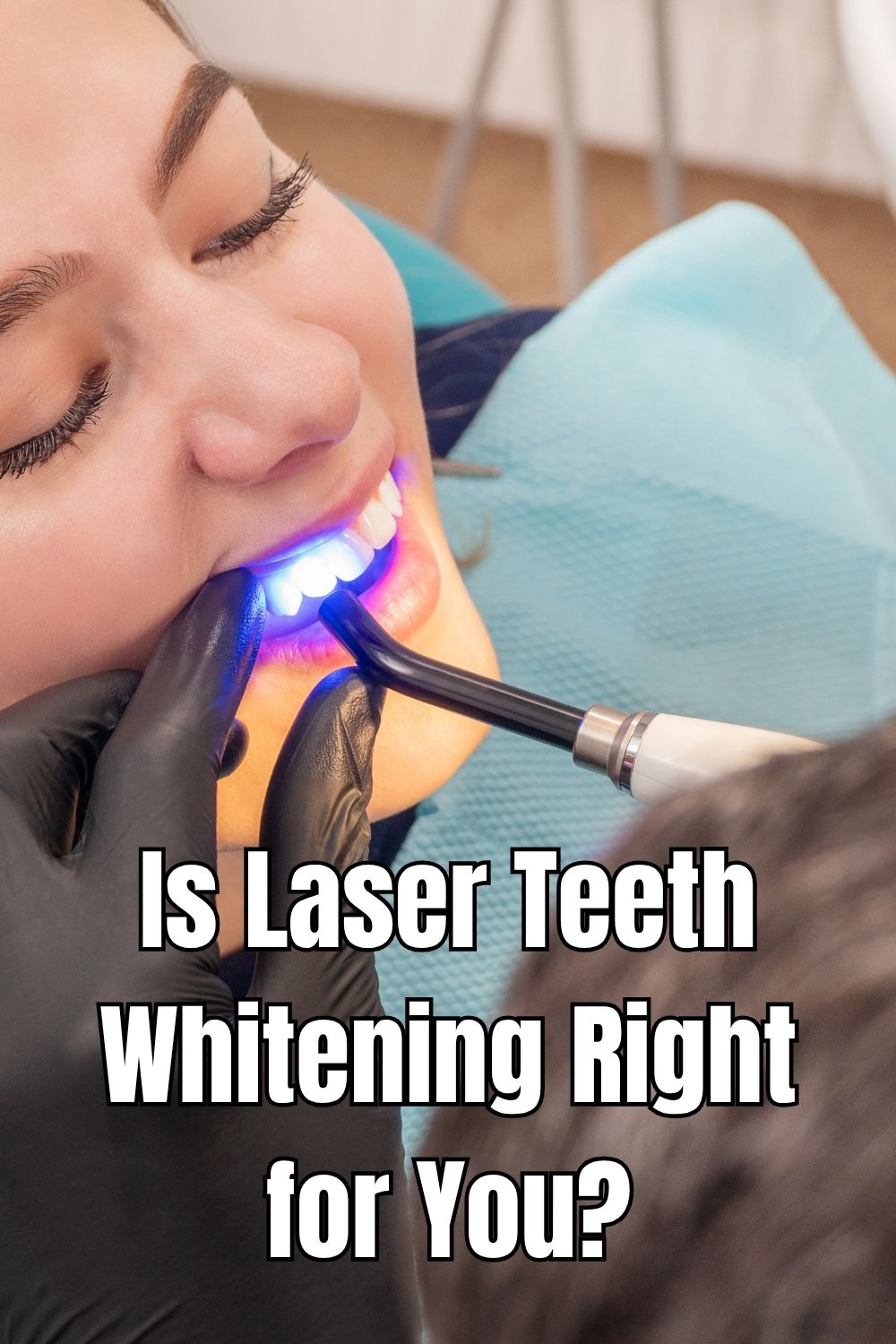
Laser teeth whitening operates on the same fundamental chemical principle as all other whitening treatments: hydrogen peroxide or carbamide peroxide breaks down stain molecules embedded in tooth enamel. The key difference lies in acceleration and concentration. During a laser procedure, a dental professional applies a high-concentration bleaching gel (typically 15-35% hydrogen peroxide) to the teeth, then uses a specialized light or laser to activate the gel and speed up the chemical reaction.
This activation process generates heat and oxygen, which helps the peroxide penetrate deeper into the enamel structure and break down both surface stains and deeper discoloration more rapidly than passive treatments. A single laser session can achieve results equivalent to weeks of at-home tray treatments, typically lightening teeth by 3-8 shades in 60-90 minutes.
Compare this to over-the-counter whitening strips, which contain much lower peroxide concentrations (usually 6-10%) and rely on extended contact time — often 30 minutes daily for two weeks — to achieve gradual results. Custom tray systems prescribed by dentists fall somewhere between these extremes, using moderate concentrations (10-22% carbamide peroxide) worn for several hours or overnight over one to three weeks.
The trade-off is intensity versus time. Laser treatments deliver maximum results in minimum time but expose teeth to the highest concentration of active ingredients in the shortest period. This efficiency explains why laser whitening often produces more dramatic immediate results than gentler alternatives, but it also accounts for why sensitivity and other side effects occur more frequently with in-office procedures.
Professional whitening methods consistently outperform home remedies like baking soda, oil pulling, or activated charcoal, which lack sufficient active ingredients to meaningfully alter tooth color. These natural approaches may remove surface stains but cannot address the deeper discoloration that causes most dissatisfaction with tooth appearance.
What Are the Safety Concerns and Side Effects?
The most common side effect across all whitening methods is temporary tooth sensitivity, but laser treatments tend to produce more intense sensitivity due to their high peroxide concentrations and rapid treatment timeline. Research published in the Journal of the American Dental Association indicates that up to 78% of patients experience some sensitivity during or immediately after laser whitening, compared to roughly 40% with at-home tray systems.
This sensitivity occurs because peroxide temporarily opens the pores in tooth enamel, allowing the bleaching agents to reach the dentin layer beneath. When the dentin becomes exposed, hot and cold sensations travel more directly to the tooth’s nerve center. Most sensitivity resolves within 24-72 hours as the enamel pores naturally close, but some patients report discomfort lasting up to a week.
Gum irritation presents another concern, particularly with laser procedures where high-concentration gels can contact soft tissue despite protective barriers. Professional application significantly reduces this risk compared to ill-fitting over-the-counter products, but even experienced practitioners occasionally see mild gum blanching or tenderness that typically resolves within hours.
How to Manage Sensitivity and Protect Tooth Enamel
Pre-treatment preparation dramatically reduces sensitivity risks. Many dental professionals recommend using desensitizing toothpaste containing potassium nitrate for two weeks before laser whitening. This compound helps block pain signals from reaching the tooth’s nerve. On treatment day, some practitioners apply desensitizing gel before the whitening procedure begins.
During recovery, avoiding extreme temperatures helps minimize discomfort. This means temporarily skipping ice water, hot coffee, and even very cold air conditioning directed at the mouth. Over-the-counter pain relievers like ibuprofen can address any lingering sensitivity, while continuing desensitizing toothpaste for several days post-treatment often prevents sensitivity from returning.
Protecting enamel requires understanding that whitening doesn’t weaken teeth structurally, but it does temporarily make them more porous. For 48 hours after any whitening treatment, avoiding highly acidic foods and beverages — citrus fruits, wine, soda — prevents additional enamel softening during this vulnerable period.
What Do Experts Say About Whitening Safety?
The American Dental Association maintains that professionally supervised whitening procedures are safe for most adults when performed according to established protocols. Their guidelines emphasize proper candidate screening and limiting treatment frequency to prevent enamel damage over time.
Most dental professionals recommend spacing laser treatments at least six months apart, though some patients achieve satisfactory results with annual touch-ups. More frequent treatments don’t necessarily produce better results and may increase the risk of permanent sensitivity or enamel weakening.
Special populations require additional caution. Pregnant and nursing women should postpone all whitening treatments, as research on fetal exposure to whitening agents remains limited. Teenagers under 16 typically aren’t candidates for laser whitening because their tooth enamel is still developing and may be more susceptible to damage from high-concentration bleaching agents.
Who Should Consider Laser Whitening and When Is It Not Recommended?
Laser whitening works best for people with healthy teeth and gums who have realistic expectations about results. Ideal candidates typically have yellow or light brown tooth discoloration caused by aging, food, beverages, or smoking rather than intrinsic stains from medications or developmental issues.
People preparing for special events often choose laser treatments because of the immediate, dramatic results. Unlike gradual home treatments that require weeks of consistent use, laser whitening delivers maximum impact in a single appointment, making it appealing for weddings, job interviews, or other time-sensitive situations.
However, several conditions disqualify candidates for laser whitening. People with extensive dental restorations — crowns, veneers, large fillings — may be disappointed because these materials don’t respond to bleaching agents and will remain their original color while natural teeth lighten around them. This creates an uneven, patchy appearance that often requires additional dental work to correct.
Severe tooth decay, gum disease, or enamel erosion must be addressed before any whitening procedure. The high peroxide concentrations used in laser treatments can exacerbate existing dental problems and cause significant pain or damage to compromised teeth.
Best Whitening Options for Sensitive Teeth and Special Cases
People prone to tooth sensitivity often achieve better outcomes with gentler approaches. Custom whitening trays prescribed by dentists allow for lower peroxide concentrations and shorter treatment sessions that can be adjusted based on individual tolerance levels. Many patients find success wearing these trays for just 30-60 minutes rather than the standard overnight application.
For extremely sensitive teeth, some dental offices offer modified laser protocols using lower-concentration gels with longer exposure times, essentially splitting the difference between traditional laser speed and home-treatment gentleness. These procedures may require multiple shorter sessions but often produce comparable results with less discomfort.
Patients with certain medical conditions — autoimmune disorders, cancer treatment history, or taking medications that increase light sensitivity — need individual evaluation before considering any professional whitening. These factors can significantly alter how tissues respond to both the bleaching agents and the laser activation process.
Factors That Affect Whitening Outcomes
Age significantly influences whitening effectiveness. Younger patients typically see more dramatic results because their enamel is thicker and their stains are primarily surface-level. After age 40, teeth naturally become more translucent and may not respond as dramatically to any whitening method.
Lifestyle habits also play a crucial role. Heavy coffee drinkers, wine enthusiasts, and smokers often need more aggressive treatment to achieve noticeable results, but they also face faster re-staining unless habits change. For people exploring various teeth whitening options, understanding how daily routines affect both treatment selection and long-term maintenance becomes essential for making cost-effective decisions.
The natural color of someone’s teeth matters more than most people realize. Teeth with gray undertones (often from certain antibiotics or genetic factors) respond poorly to all whitening methods, while yellow-toned teeth typically achieve the most satisfying results. This biological reality explains why some patients are thrilled with their laser whitening outcomes while others feel disappointed despite technically successful treatment.
How Effective Is Laser Whitening and How Long Do Results Last?
Clinical studies consistently show laser whitening produces more immediate dramatic results than any other method, typically lightening teeth by 4-8 shades in a single session. However, research published in the Journal of Conservative Dentistry reveals that the long-term effectiveness gap between laser and custom tray treatments narrows significantly over time.
At the six-month mark, patients who underwent laser whitening maintained an average of 5-6 shade improvement from their baseline, while those who used professional-strength custom trays for two weeks achieved 4-5 shade improvement. By the one-year point, this difference often becomes negligible, suggesting that the primary advantage of laser treatment is speed rather than superior long-term results.
Maintenance requirements are similar regardless of the initial whitening method. Most patients need touch-up treatments every 12-18 months to maintain their desired shade, though this timeline varies considerably based on diet, oral hygiene, and genetic factors. People who drink coffee, tea, or red wine daily may notice fading within 6-9 months, while those who avoid staining beverages can maintain results for two years or longer.
The key to prolonging any whitening results lies in the first 48 hours after treatment. During this critical period, teeth are most susceptible to new stains as the enamel pores remain temporarily enlarged. Patients who strictly avoid coffee, wine, berries, and other pigmented foods during this window typically enjoy longer-lasting results regardless of which whitening method they chose.
Professional maintenance differs from DIY touch-ups in both safety and effectiveness. While over-the-counter whitening products can extend results between professional treatments, they cannot replicate the deep penetration achieved during the initial laser procedure. Most dental professionals recommend professional touch-ups using lower-concentration gels rather than repeating full-intensity laser sessions, balancing effectiveness with long-term enamel health.
What Are Common Myths About Teeth Whitening?
The most persistent myth suggests that natural whitening methods like activated charcoal or oil pulling can achieve results comparable to professional treatments. While these approaches may remove surface stains and improve oral hygiene, they lack the chemical compounds necessary to alter the fundamental color of tooth enamel. No amount of coconut oil swishing will break down the chromophore molecules responsible for deep tooth discoloration.
Another widespread misconception claims that whitening damages tooth enamel permanently. Research demonstrates that properly administered whitening treatments temporarily increase enamel porosity but don’t structurally weaken teeth. The confusion arises because some people experience sensitivity and incorrectly assume this indicates enamel damage. In reality, sensitivity results from temporary exposure of the dentin layer, not enamel destruction.
Many people believe that whitening results are permanent or that more frequent treatments produce better outcomes. Neither assumption holds true. Teeth naturally accumulate new stains over time regardless of previous whitening history, and excessive whitening can actually make teeth appear gray or translucent rather than whiter. The enamel can only be lightened to its natural genetic limits — pushing beyond this point creates an artificial, often unappealing appearance.
Perhaps the most dangerous myth suggests that DIY whitening using household products like lemon juice or baking soda provides a safer alternative to professional treatments. These acidic substances can actually erode enamel permanently, creating permanent sensitivity and increased stain susceptibility. Professional whitening may cause temporary sensitivity, but household acids cause irreversible damage that no amount of professional treatment can repair.
The reality is that effective whitening requires specific chemical processes that only occur with proper peroxide concentrations and professional application techniques. Understanding this science helps patients make informed decisions based on realistic expectations rather than marketing promises or social media trends.
The choice between laser whitening and other methods ultimately depends on balancing your timeline, budget, sensitivity tolerance, and realistic expectations about long-term maintenance. Rather than searching for a perfect solution, focus on finding the approach that aligns with your specific dental health profile and lifestyle commitments.
Leave A Reply!