Explore how prosthodontists restore function and confidence in your smile through advanced dental care and technology.
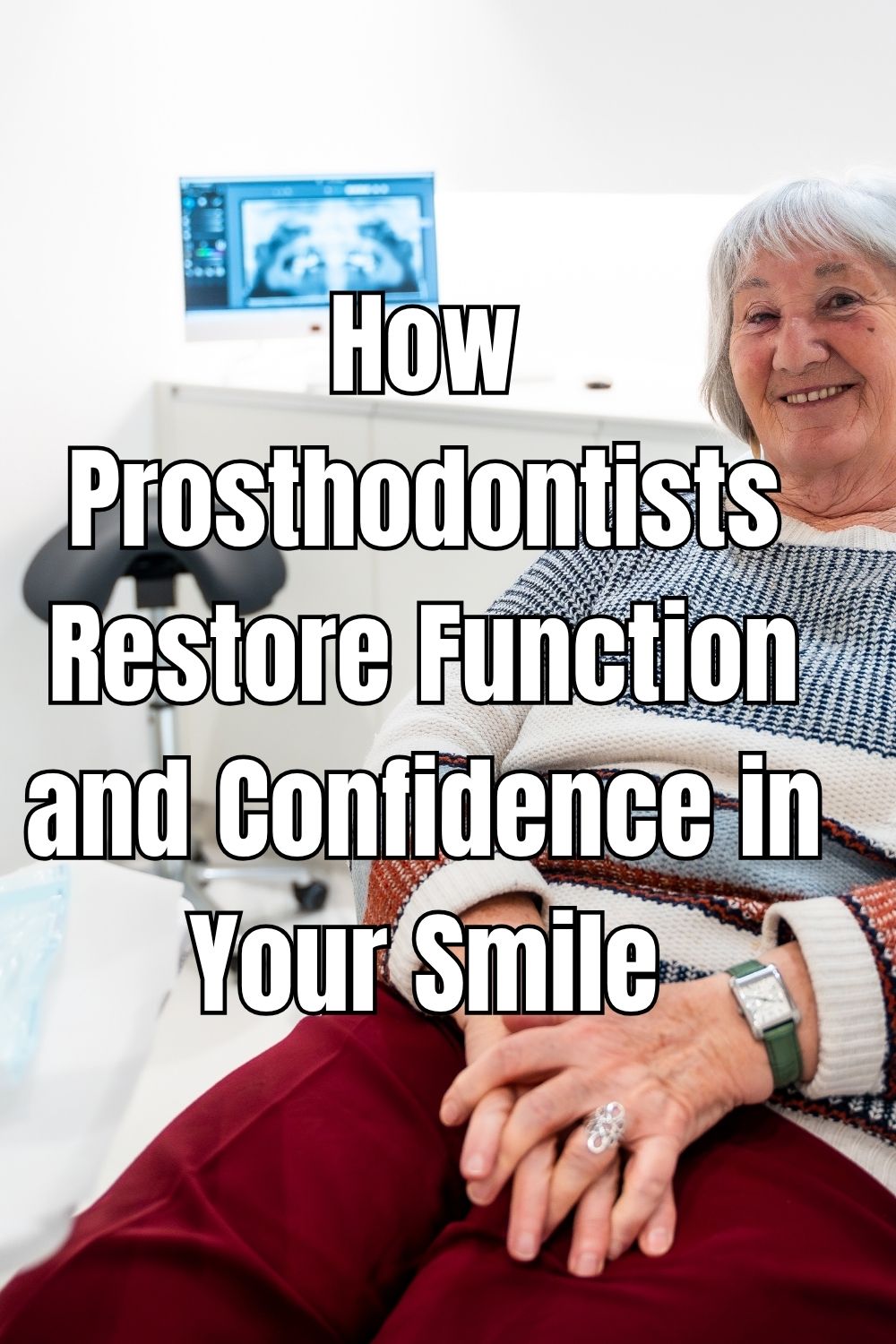
How Prosthodontists Restore Function and Confidence in Your Smile
When dental trauma, disease, or years of wear leave someone struggling to chew properly or hiding their smile in photos, the path back to oral health involves more than cosmetic fixes. According to the American College of Prosthodontists, over 36 million Americans are missing all their teeth, while 120 million are missing at least one tooth — yet many don’t realize that specialized prosthodontic care can address both the mechanical and aesthetic challenges simultaneously. As dental technology advances and insurance coverage for restorative procedures expands, the gap between functional dentistry and cosmetic enhancement continues to narrow. For individuals facing complex dental restoration needs, understanding how prosthodontists approach smile rehabilitation reveals why this specialty has become essential for achieving lasting results that work as well as they look.
How Prosthodontists Combine Functionality and Aesthetics
Prosthodontists occupy a unique position in dentistry, bridging the gap between mechanical function and visual appeal in ways that general dentistry often can’t match. Their training focuses specifically on replacing missing teeth and restoring damaged oral structures, which means they understand how each component of your bite affects everything else — from jaw alignment to speech patterns.
Consider someone who’s lost several back molars and has been chewing primarily on one side for months. A general dentist might suggest individual crowns or fillings, but a prosthodontist evaluates the entire chewing system first—often drawing on trusted prosthodontic services to guide comprehensive treatment planning. They’ll assess how the missing teeth have affected jaw positioning, whether the remaining teeth have shifted to compensate, and how any restoration will integrate with the patient’s natural bite pattern.
This systematic approach matters because dental function and aesthetics are inseparable. A beautiful front tooth restoration that doesn’t align properly with the bite will fail over time, while a mechanically sound bridge that looks artificial can undermine a patient’s confidence. Prosthodontists are trained to balance these competing demands, using their understanding of occlusion (how teeth come together) to design restorations that enhance both function and appearance.
The specialty’s focus on complex cases means prosthodontists regularly work with patients who’ve experienced significant dental trauma or have multiple missing teeth. They develop treatment plans that restore the entire oral system rather than addressing individual teeth in isolation, which is why their outcomes tend to be more durable and comprehensive than piecemeal approaches.
Common Smile Restoration Methods and Their Benefits
Modern prosthodontics offers several pathways to smile restoration, each designed to address specific combinations of functional and aesthetic needs. The choice between treatments depends largely on the extent of tooth damage, bone health, and the patient’s lifestyle requirements.
Dental implants represent the gold standard for single-tooth replacement because they preserve jawbone structure while providing the most natural-feeling chewing experience. Unlike bridges, which rely on adjacent teeth for support, implants integrate directly with the bone and can last decades with proper care. However, they require sufficient bone density and a healing period of several months.
Fixed bridges excel when multiple adjacent teeth need replacement or when implants aren’t viable due to bone loss. Modern bridges use advanced ceramics that closely match natural tooth color and translucency, while their cemented design means they feel permanent rather than removable.
Partial and complete dentures have evolved significantly beyond the loose-fitting appliances many people envision. Contemporary dentures use improved materials and design techniques that enhance stability and comfort, while implant-supported dentures combine the affordability of traditional prosthetics with much better retention.
The key advantage of working with a prosthodontist lies in their ability to combine these approaches strategically. They might use implants to anchor a bridge, design partial dentures that protect remaining natural teeth, or plan a phased approach that addresses immediate needs while preserving options for future enhancement.
Fixed and Removable Dental Prosthetics
The distinction between fixed and removable prosthetics goes beyond convenience — it fundamentally affects how patients experience their restored smile. Fixed prosthetics like crowns, bridges, and implant-supported teeth become permanent parts of the mouth, allowing patients to eat, speak, and smile without conscious thought about their dental work.
Crowns restore individual teeth that have been damaged by decay or trauma while preserving the natural root structure. Modern all-ceramic crowns eliminate the dark line often visible with older metal-backed versions, and computer-aided design ensures precise fit and natural appearance.
Removable prosthetics including partial and complete dentures offer advantages in cases where extensive bone loss makes implants challenging or when patients prefer a less invasive approach. Advanced denture materials now include flexible polymers that adapt better to mouth movement and titanium frameworks that provide strength without bulk.
The choice between fixed and removable options often comes down to bone health, budget considerations, and patient preference. Some individuals prefer the security of knowing their teeth won’t shift, while others appreciate the ability to clean their prosthetics thoroughly outside the mouth.
What to Expect During the Smile Restoration Process
Prosthodontic treatment begins with comprehensive evaluation that goes well beyond examining individual teeth. The initial consultation typically includes digital imaging, bite analysis, and discussion of the patient’s functional goals alongside aesthetic preferences. This assessment phase can reveal underlying issues — like TMJ dysfunction or uneven wear patterns — that need addressing for long-term success.
Treatment planning involves creating a roadmap that prioritizes the most critical needs first. For someone with both missing teeth and gum disease, the prosthodontist coordinates with periodontists to ensure healthy tissue before beginning restorative work. Patients often receive temporary prosthetics during healing periods to maintain function and appearance.
The active treatment phase varies dramatically depending on the chosen approach. Implant placement requires surgical precision followed by a healing period where the implant integrates with surrounding bone. Bridge preparation involves reshaping adjacent teeth to accommodate the restoration, while denture creation requires multiple appointments to ensure proper fit and bite alignment.
Recovery and adjustment periods are built into every treatment plan. Even expertly crafted restorations may need fine-tuning as patients adapt to their new bite patterns. Prosthodontists schedule follow-up appointments to monitor healing, make adjustments, and ensure the restoration is performing as designed. This ongoing relationship distinguishes prosthodontic care from one-time cosmetic procedures.
Most patients find the process less uncomfortable than anticipated, particularly when working with specialists who understand how to minimize disruption to daily activities. The timeline typically ranges from several weeks for straightforward cases to six months or more for complex full-mouth reconstructions.
Innovations Improving Smile Restoration Outcomes
Digital technology has revolutionized prosthodontic planning and execution, enabling precision that wasn’t possible just a decade ago. 3D imaging and computer-guided treatment planning allow prosthodontists to visualize the final result before beginning work, ensuring that both function and aesthetics align with patient expectations.
CAD/CAM technology (Computer-Aided Design and Manufacturing) produces crowns, bridges, and other restorations with exceptional accuracy. These systems can create a custom restoration in a single appointment, eliminating temporary prosthetics and multiple visits for many cases. The digital workflow also enables better communication between prosthodontists and dental laboratories when complex cases require specialized fabrication.
Advanced materials including zirconia ceramics and hybrid composites offer strength approaching that of natural teeth while maintaining realistic appearance. These materials resist staining and wear better than earlier alternatives, meaning restorations maintain their appearance longer.
Implant innovations continue expanding treatment options for patients with challenging bone anatomy. Mini-implants, zygomatic implants, and improved bone grafting techniques make implant-supported restorations possible for patients who previously had limited options. Same-day implant protocols allow immediate loading in select cases, reducing overall treatment time.
The integration of these technologies means prosthodontists can achieve results that combine superior function with natural aesthetics, while often reducing the time and number of appointments required.
How Smile Restoration Boosts Mental Well-Being and Oral Health
The psychological impact of smile restoration extends far beyond improved appearance, affecting how patients interact socially and maintain their oral health moving forward. Research consistently shows that individuals with functional, attractive smiles report higher confidence levels in professional and personal settings, leading to measurable improvements in quality of life.
Functional improvements create a positive cycle of oral health habits. When chewing becomes comfortable again, patients naturally eat a more varied diet including healthier foods that require proper chewing. The ability to clean restorations effectively — particularly with fixed prosthetics — often leads to better overall oral hygiene than patients maintained before treatment.
Social confidence returns as patients stop avoiding situations where they might smile or laugh. Many report feeling comfortable eating in public for the first time in years, while others rediscover their willingness to speak up in meetings or social gatherings. These behavioral changes can have profound effects on career advancement and relationship quality.
The connection between oral health and overall wellness becomes particularly evident after smile restoration. Patients who struggled with chronic jaw pain, headaches, or digestive issues related to poor chewing function often experience relief as their bite returns to proper alignment. When individuals work with experienced prosthodontic services throughout this process, the comprehensive approach addresses these interconnected health factors rather than treating symptoms in isolation.
For many patients, successful smile restoration represents a turning point where oral health becomes a priority rather than a source of stress and embarrassment. This shift in perspective often leads to better long-term outcomes and a genuine appreciation for the complex interplay between dental function and overall well-being.
Leave A Reply!