Explore Home Care Training and Financial Support for Caregivers. Discover how to navigate caregiver hiring and support.
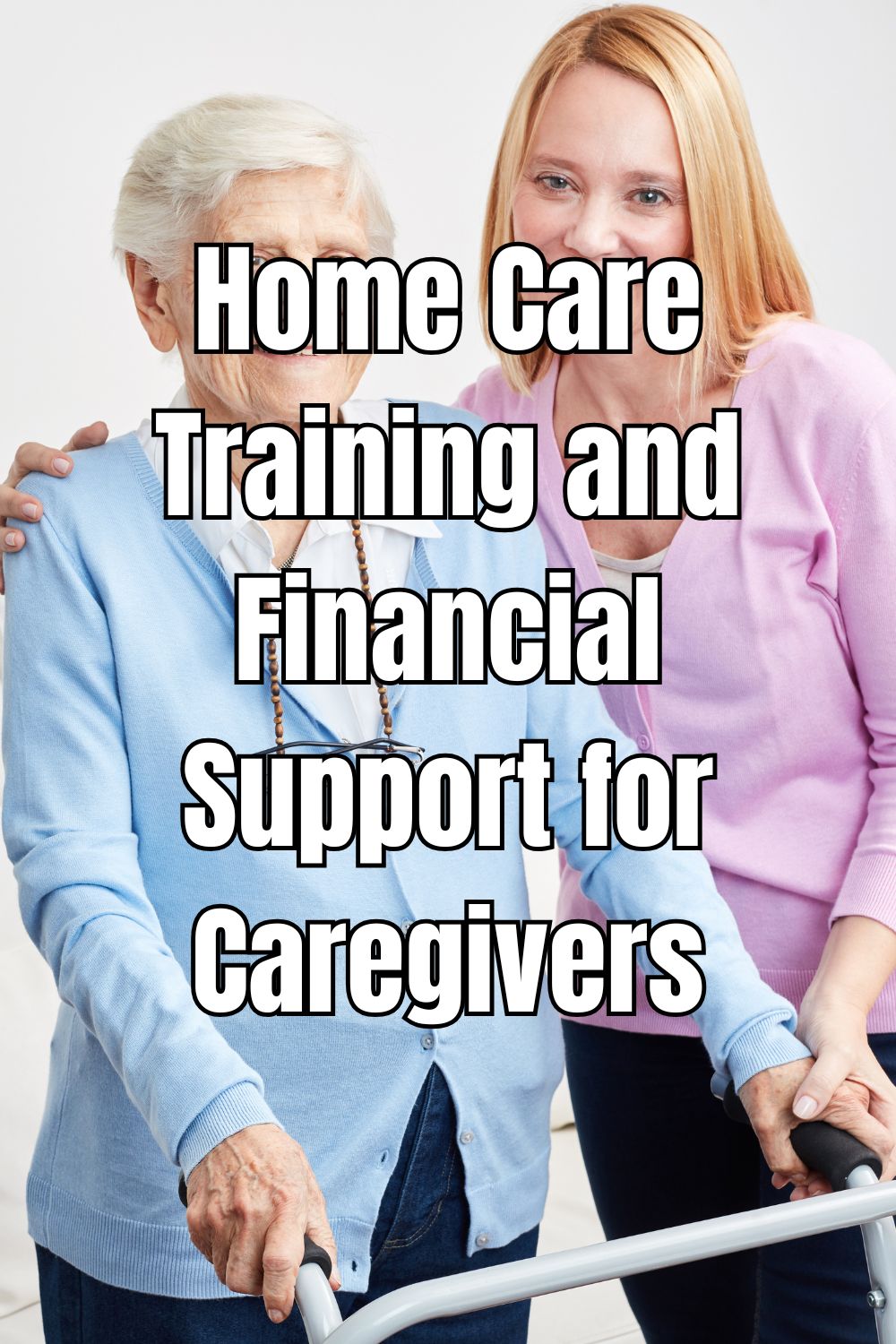
Home Care Training and Financial Support for Caregivers
Caring for an older family member is a massive job that many moms take on every day. You might start by helping with a few meals or rides to the doctor. Soon, those small tasks turn into a full schedule of medical needs and daily chores. Many families feel a heavy weight trying to balance their own kids with these new duties. Finding the right tools and money to help can make life much smoother. You deserve to feel ready and supported in this journey.
Finding Support For Family Caregiving
Helping a parent stay at home often means looking for outside expertise to fill the gaps. Using a private caregiver guide for families helps you navigate the complex process of hiring help. This information makes it easier to understand how to vet candidates and check their backgrounds. Hiring the right person provides peace of mind for everyone in the house. It allows you to focus on being a daughter rather than just a medical worker. Professional assistance can take over the heavy tasks that cause stress.
State Programs And Financial Help
Paying for professional help or missing work to provide care is a common struggle for many families. A report on state medical programs indicated that every state now allows some payments to friends or family through waiver programs. These programs help ease the financial burden of staying home to help a loved one. Rules vary depending on where you live and the specific needs of your relative. Looking into these local options is a smart way to find extra room in your budget. Taking the time to research state aid can lead to surprising benefits for your family.
Basic Skills For Home Support
Learning the basics of physical care can keep both you and your loved one safe from injury. Simple training often covers tasks like moving someone from a bed to a chair or managing medications. These skills help prevent falls and keep the daily routine moving without a hitch.
- Learn how to lift with your legs to avoid back strain.
- Practice safe techniques for helping someone in the shower.
- Set up a clear system for tracking daily pills and doses.
- Use simple tools like grab bars to make the home safer.
Mastering these tasks builds your confidence as a caregiver. It keeps the home a stable environment for your senior. You can find free training videos or local classes to sharpen these skills. Being prepared for daily challenges reduces the stress you feel as the primary helper in the house.
Managing Mental Health And Connection
The physical side of care is only one part of the story for many families. A study from a national aging organization mentioned that loneliness is linked to worse health outcomes for older adults. Keeping your loved one social and active helps their mind stay sharp and their body stay strong. This connection is just as significant as any medical treatment they might receive. Plan for regular breaks where you can step away and recharge your own batteries.
Navigating Local Resources For Sanity
Many towns offer grants or local programs that help with small home repairs or meal delivery. These small boosts can take a lot of pressure off your shoulders during a busy week. You might find a local center that offers free classes on caregiving techniques or legal advice. Talking to other moms in similar spots can provide great tips on where to look. Local libraries and community centers are often the best places to start your search. They keep lists of volunteer groups that help with yard work or grocery runs. Plus, these organizations can point you toward tax breaks for family caregivers – a real boost that saves your family money.
Starting The Care Conversation Early
Looking ahead is the best way to stay prepared for changes in health or mobility. A local planning agency suggested that starting the planning process early gives families more time to think through specific care needs. You can decide what kind of help you might need in the next few years. This proactive step helps you avoid making quick choices during a sudden health crisis. Discussing these topics now prevents confusion or arguments later on. You can create a binder with all the medical and legal paperwork in one spot. Having this information ready saves time and reduces panic for everyone involved in the care.
Supporting an aging relative is a journey that changes every single day. You do not have to do every single thing on your own or without a plan. Finding the right training and financial aid helps your whole family thrive. Small steps today lead to a much more stable future for you and your parents. Keep looking for the tools that make your life easier and your care better. You are doing a wonderful job taking care of the people you love. Your dedication makes a huge difference in the lives of your family members.
Leave A Reply!