Explore if a glass sliding door is the right fit for your home and discover its benefits for space and light.
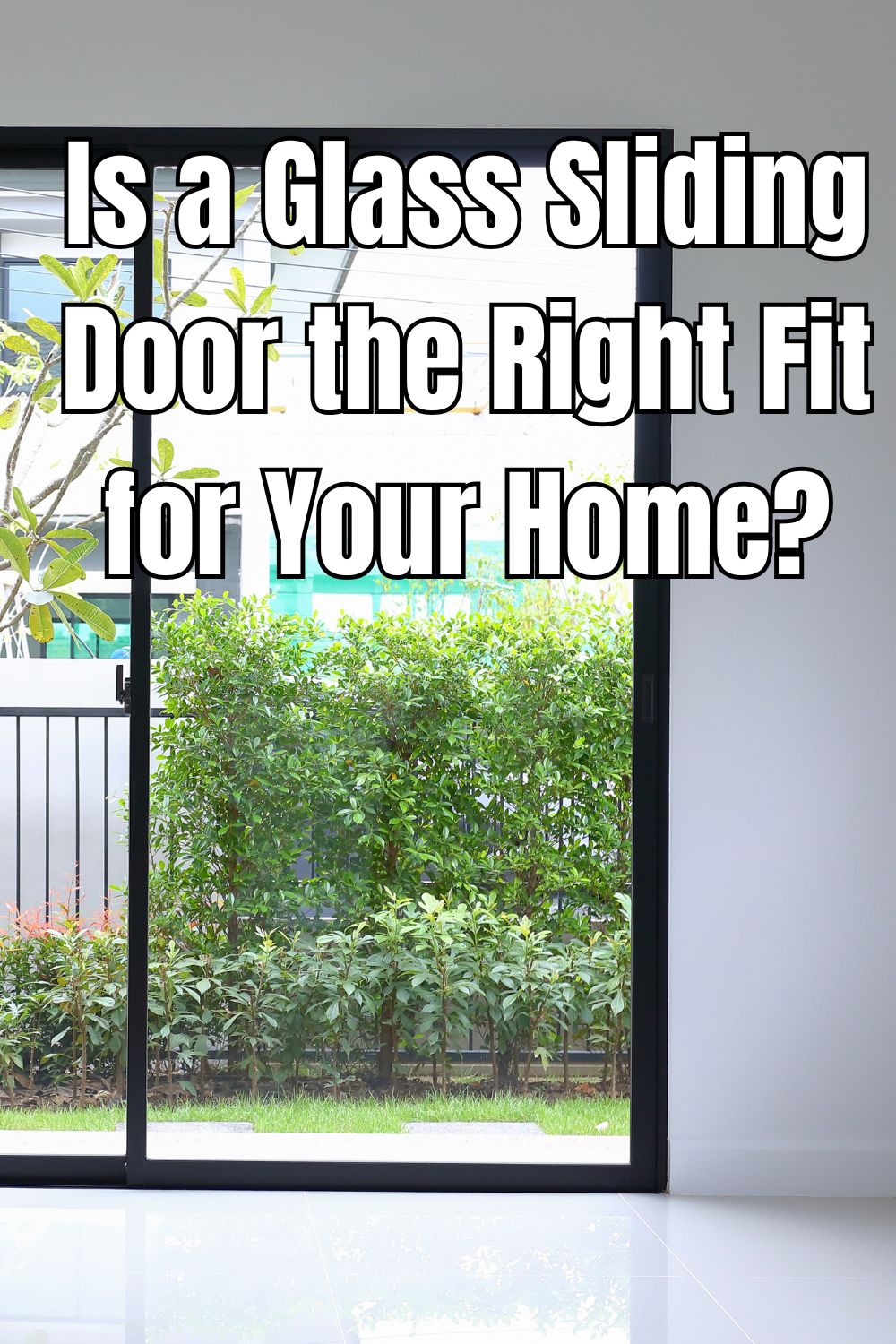
Is a Glass Sliding Door the Right Fit for Your Home?
Glass sliding doors offer a clean and space-efficient way to connect a room to an outdoor area or to divide interior spaces with minimal visual intrusion, and they have become an increasingly popular alternative to both traditional patio doors and more complex folding door systems. The lateral sliding mechanism means no floor space is lost to a swinging door, and the large glazed panels provide unobstructed views and natural light that smaller window openings cannot match. Understanding the practical characteristics of glass sliding doors before committing to an installation helps homeowners decide whether this system is the right choice for their specific situation.
How Glass Sliding Doors Work
A standard glass sliding door system consists of one or more fixed panels and one or more movable panels that slide laterally on a track. In a two-panel system, one panel is typically fixed and one slides in front of or behind it. In larger multi-panel systems, multiple panels can slide and stack to provide a wider, clear opening. The track is most commonly mounted at the top of the frame (top-hung) or at both top and bottom, with the choice affecting the profile at floor level and the smooth operation of the sliding movement. Top-hung systems eliminate the floor track entirely, providing a cleaner aesthetic and removing a potential trip hazard.
The Advantages of Sliding Over Swinging
The most obvious practical advantage of a glass sliding door over a hinged patio door or a set of French doors is the absence of swing space required on either side of the opening. In a kitchen-diner or living room where furniture is placed close to the door opening, a hinged door creates an obstacle every time it is opened that a sliding door eliminates. This makes sliding doors particularly well-suited to rooms with limited depth between the door and the furniture arrangement or to situations where a level-access threshold is important, and a hinged door would create a more complex weather seal.
Frame Materials and Thermal Performance
Glass sliding doors for external applications are most commonly produced in aluminium, with thermally broken frame profiles that minimise heat loss through the frame. UPVC sliding patio doors are also widely available at a lower price point and provide good thermal performance, though the larger profile depth of UPVC frames reduces the glazed area slightly compared to slimmer aluminium alternatives. Timber-framed sliding doors are less common and require more maintenance than the alternatives, but offer a natural material warmth that suits certain property types and interior styles. The glazed unit in external sliding doors is typically double or triple-glazed to achieve the required thermal performance.
Privacy and Glazing Options
One of the considerations that sometimes gives homeowners pause about large glass sliding doors is the level of privacy they provide, particularly in properties where the garden is overlooked or where the door faces a neighbouring property or public area. Standard clear glazing provides excellent light transmission and views but no privacy, which is appropriate for many situations. Frosted or textured glass, solar-control glass, and privacy film applied to clear glass panels are all options for situations where some degree of visual privacy is needed without sacrificing the light-admitting quality of a large glazed opening.
Security Considerations
Glass sliding doors have historically been associated with lower security than solid hinged alternatives, a reputation that was justified in earlier product generations where the locking mechanisms were simple and the frames could be lifted out of their tracks. Modern glass sliding door systems address these concerns through multipoint locking mechanisms that engage at multiple points around the frame, anti-lift devices built into the track to prevent the door from being removed, and laminated or toughened glass that resists breakage. Selecting a door that carries the appropriate security certification, such as BS PAS 24, confirms that it has been independently tested against recognised attack methods.
Installation and Building Regulations
Installing glass sliding doors in an external wall typically requires the creation or widening of an opening, which is a structural alteration subject to building regulations approval. The structural beam or lintel above the opening must be correctly designed and installed before the door frame is fitted. The thermal performance of the door installation must meet the requirements of Part L of the Building Regulations for replacement glazed elements or for new extensions. Internal glass sliding doors used as room dividers do not usually require regulatory approval unless they are replacing a fire door in a required location.
Leave A Reply!