Learn about the psychological effects of noise. Understanding why noise makes you feel overwhelmed can transform your environment.
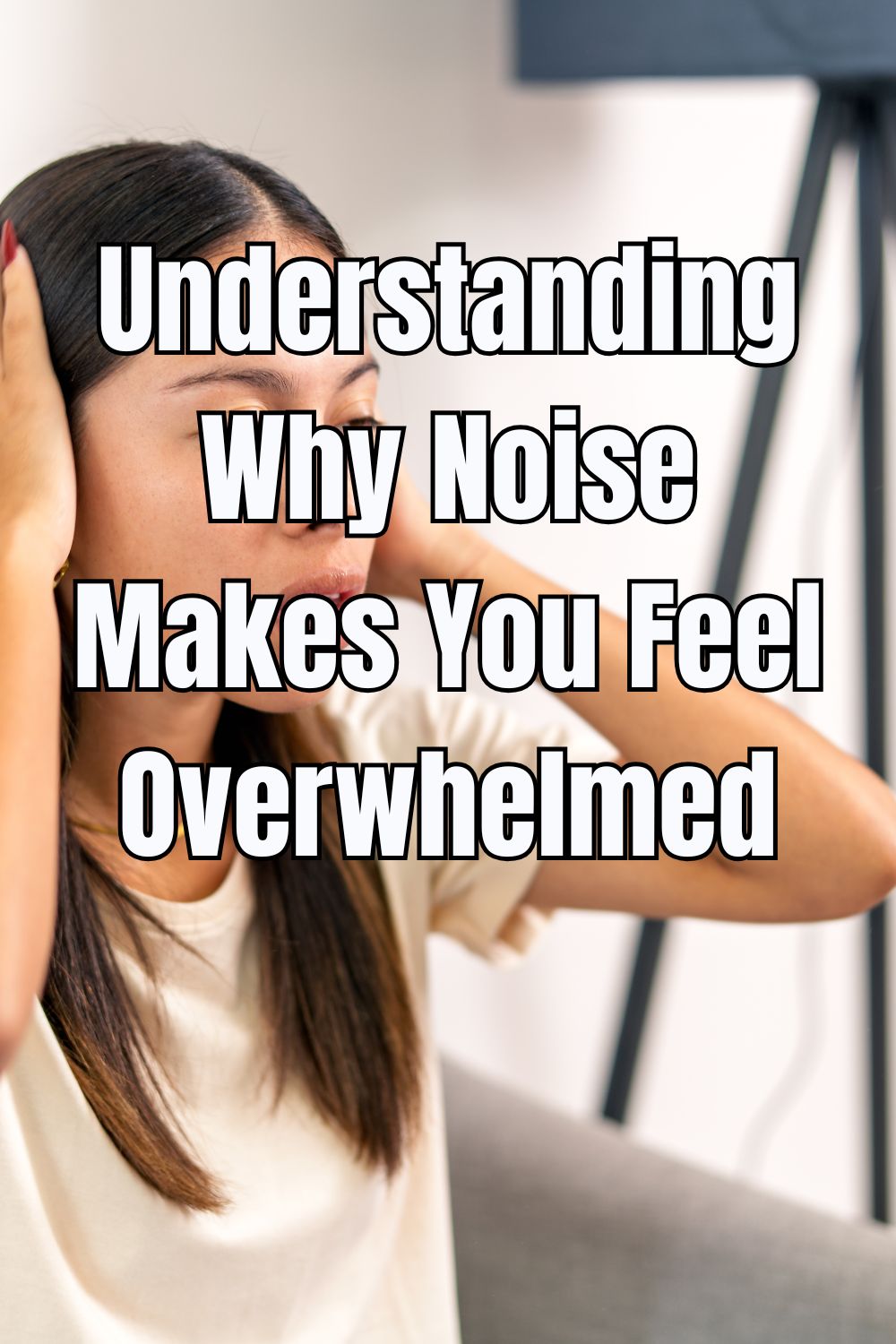
Understanding Why Noise Makes You Feel Overwhelmed
The Science of Sound Sensitivity
For some people, being sensitive to noise is more than just preferring quiet. It can be a real physical response. Conditions like hyperacusis make everyday sounds seem intensely and painfully loud. Others might experience a condition called misophonia, where specific sounds like chewing or tapping trigger an immediate, strong emotional reaction, such as anger or panic.
While the exact causes can vary, research suggests some individuals might have a genetic predisposition to noise sensitivity. Your brain’s auditory processing centers could be wired differently, making it harder to filter out irrelevant background noise. This isn’t a personal failing; it’s about how your brain works. Understanding the science behind it can be the first step toward finding effective ways to cope.
When Your Brain Works Overtime
Think of your brain like a computer with limited processing power. Every sound you hear—the hum of the refrigerator, a distant siren, the conversation in the next room—needs processing. When you’re in a loud environment, your brain works overtime to sort through all the sounds, decide what’s important, and filter out the rest. This constant effort uses up a lot of mental energy.
This heavy cognitive load explains why you might feel so tired after a party or a day in a busy office. Your brain has been running a marathon just to keep up. The link between hearing loss and fatigue works similarly; the brain has to strain to interpret unclear sounds, which leads to exhaustion. Whether you’re dealing with too much noise or struggling to hear it, the result is the same: mental fatigue and feeling completely overwhelmed.
Coping with Auditory Overload
When you feel the stress of auditory overload starting, having a few go-to strategies can make a huge difference. The main goal is to reduce the amount of sound information your brain has to process, giving it a chance to rest and reset.
Here are a few simple techniques to try:
- Take a “sound break”: Step into a quiet room, your car, or even a bathroom for five to ten minutes. The silence can help lower your stress levels and allow your brain to recover.
- Use earplugs or headphones: Keep a pair of simple foam earplugs in your bag or car. In noisy public places, they can muffle background chatter just enough to bring relief. Noise-canceling headphones are also great for creating your own quiet space.
- Focus on your breath: When you feel overwhelmed, practice slow, deep breathing. This can activate your body’s relaxation response and counteract the fight-or-flight feeling that loud noises can trigger.
While self-care and sound-masking strategies are great for daily relief, persistent auditory struggles deserve specialized attention. Taking a proactive approach with early ENT care can help prevent more serious health issues before they escalate.
Creating Quiet Zones at Home
Your home should be a sanctuary, but it can often be the source of the most constant noise. Creating dedicated quiet zones can give you a reliable escape from the daily clamor. This doesn’t mean a major renovation; even small changes can significantly impact your home’s sound environment.
Start by making one room or even a small corner a “quiet zone.” Make it a family rule that this area is for calm activities like reading or resting, with no loud music or screens allowed. You can also reduce sound throughout your home by adding soft materials that absorb noise. Consider adding area rugs to hardwood floors, hanging heavy curtains over windows, and using draft stoppers at the bottom of doors. These simple additions can help muffle sounds from both inside and outside the house.
Strategies for Sound Management
Managing sound sensitivity is an ongoing process that involves planning ahead. Instead of just reacting to noise, you can take steps to control your sound environment throughout the day. For example, try running errands like grocery shopping during off-peak hours when stores are less crowded and quieter.
It’s also important to tell your family and friends about your needs. Let them know that you sometimes need a quieter environment and explain why. People are often more understanding and willing to help than you might expect. You might also consider using a white noise machine or a fan in your bedroom or office. The consistent, gentle sound can help mask more jarring and unpredictable noises, making it easier for your brain to relax and focus.
Finding what works for you may take some trial and error, but taking control of your sound environment is a powerful way to reduce stress and reclaim your energy.
Leave A Reply!