Learn the signs your teen needs to see an orthodontist and explore options for braces for a healthier smile.

Signs Your Teen Needs to See an Orthodontist and Options for Braces
The American Association of Orthodontists recommends that children have their first orthodontic evaluation by age 7 — yet the peak treatment years fall between ages 11 and 14, when permanent teeth have largely emerged and facial growth is still active. This timing isn’t coincidental. The teenage years represent a critical window when orthodontic intervention can achieve results that become significantly more complex and time-consuming in adulthood.
For parents navigating this decision, the signs aren’t always obvious. A teen might have straight-looking front teeth but struggle with bite issues that affect chewing, speech, or long-term jaw health. Others face clear alignment problems that impact confidence during already challenging social years. As orthodontic technology continues advancing — from traditional metal braces to clear aligners designed specifically for teens — understanding when to seek evaluation and what treatment options actually work becomes essential for making informed choices about your teenager’s oral health and overall well-being.
Why Teens Should See an Orthodontist Promptly
The adolescent growth spurt creates a unique opportunity that doesn’t exist at any other life stage. Between ages 11 and 16, facial bones are still developing, which means orthodontic appliances can guide both tooth movement and jaw positioning simultaneously. This biological window allows treatment that would require jaw surgery in adults to be accomplished with braces alone.
Consider a 13-year-old with a significant overbite. During puberty, an orthodontist can use functional appliances to actually encourage proper jaw growth while straightening teeth. Wait until age 25, and the same correction might require surgical intervention combined with years of treatment. The American Association of Orthodontists notes that 4.5 million Americans currently wear braces, with the majority being teenagers who are capitalizing on this developmental advantage.
Beyond timing, several specific indicators suggest orthodontic evaluation is necessary. Persistent thumb sucking or pacifier use past age 5 often creates bite problems that emerge as permanent teeth arrive. Difficulty chewing or frequent cheek biting can signal alignment issues that affect daily function. Speech problems — particularly difficulty pronouncing certain sounds — may stem from tooth or jaw positioning rather than developmental delays.
Breathing patterns also matter more than most parents realize. Teens who consistently breathe through their mouth, snore regularly, or have been diagnosed with sleep apnea may have orthodontic issues contributing to airway restriction. Early intervention can address these problems before they become entrenched patterns affecting sleep quality, concentration, and overall health throughout the teenage years and beyond.
How Braces Work and What to Expect During Treatment
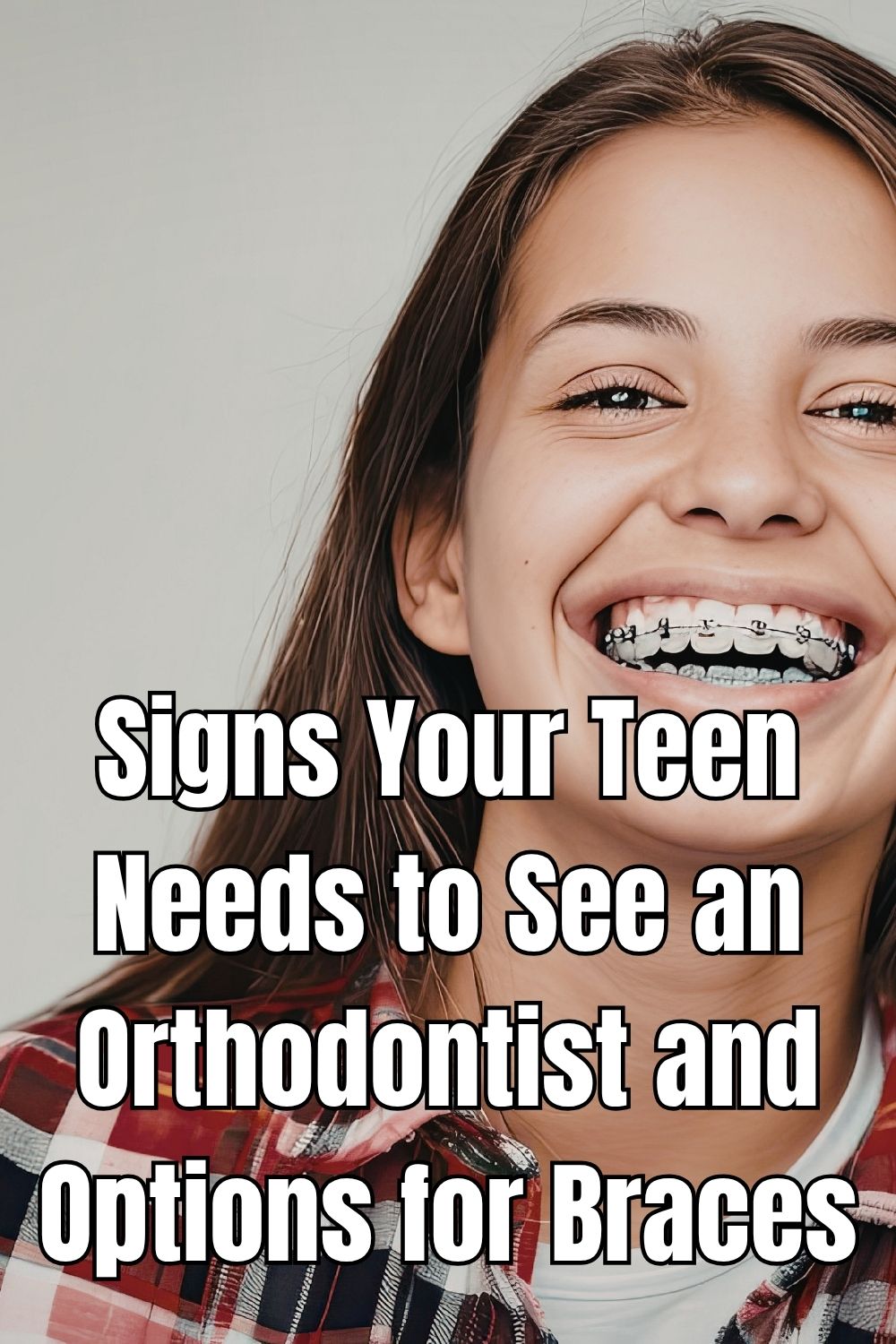
Braces accomplish tooth movement through controlled pressure applied over time — a process that works particularly well during teenage years when bone tissue remains responsive to change. Bracket systems attached to each tooth create anchor points for archwires that generate consistent, gentle force. As teeth move, the bone around their roots remodels itself, with new bone forming on one side while dissolving on the other.
The typical treatment timeline for teens ranges from 18 to 24 months, though complex cases may extend to three years. This duration depends heavily on the severity of alignment issues and how well the patient maintains oral hygiene and follows orthodontist instructions. Teens who consistently wear rubber bands as prescribed and avoid hard or sticky foods that can damage brackets often complete treatment faster than those who don’t.
Adjustment appointments occur every 4 to 8 weeks, where orthodontists tighten wires, replace elastic bands, and monitor progress. During teenage treatment, orthodontists often coordinate these visits around school schedules and sports seasons. The first few days after each adjustment typically involve mild discomfort as teeth respond to new pressure — a normal part of the process that most teens manage with over-the-counter pain relievers.
What surprises many families is how braces interact with ongoing facial growth. Orthodontists must anticipate how a teen’s face will develop and plan tooth movement accordingly. This requires specialized training in adolescent development and explains why comprehensive orthodontic care involves detailed treatment planning that considers both current positioning and projected growth patterns. The result is treatment that works with natural development rather than against it, creating lasting results that accommodate the transition to adult facial structure.
Types of Braces for Teens and How to Choose the Right One
Modern orthodontic treatment offers several approaches, each designed to address different priorities teens and families have about appearance, maintenance, and lifestyle compatibility. The choice isn’t just about aesthetics — different systems work better for different types of alignment problems and personality types.
Common Types of Braces for Teens
Traditional metal braces remain the most versatile and cost-effective option, using high-grade stainless steel brackets and wires that can handle complex tooth movements. Today’s metal braces are significantly smaller than previous generations, and teens can customize them with colored elastic bands that make treatment more personal and fun.
Ceramic braces function identically to metal braces but use tooth-colored or clear brackets that blend with natural teeth. While less noticeable, they require more careful maintenance since the brackets can stain if oral hygiene isn’t meticulous. Ceramic brackets are also slightly more fragile than metal ones, making them less ideal for teens involved in contact sports.
Clear aligners designed specifically for teenagers have gained popularity as an alternative to traditional braces. These removable plastic trays gradually shift teeth through a series of custom-designed stages. Teen-specific versions include compliance indicators that show whether the aligners are being worn for the recommended 22 hours daily, addressing the main challenge with removable appliances.
Lingual braces attach to the back surfaces of teeth, making them virtually invisible from the front. However, they typically require longer treatment times, can affect speech initially, and present more challenging oral hygiene requirements.
Factors to Consider When Choosing Braces
The severity of alignment issues often determines which options are viable. Complex cases involving significant bite correction typically require traditional metal or ceramic braces, while mild to moderate crowding might be suitable for clear aligner treatment.
Lifestyle factors play a crucial role in success. Teens involved in contact sports may prefer traditional braces with protective mouthguards over removable aligners that could be lost or damaged. Musicians who play wind instruments often adapt better to external brackets than lingual braces, which can interfere with embouchure.
Compliance expectations matter significantly with removable options. Clear aligners require exceptional responsibility — teens must remove them only for eating and cleaning, then remember to put them back in consistently. Traditional braces eliminate this variable by working continuously regardless of patient cooperation, though they still require careful oral hygiene and dietary modifications to prevent damage.
How Teens Can Care for Braces During Treatment
Proper care during orthodontic treatment prevents complications that can extend treatment time and compromise results. The combination of brackets, wires, and teenage eating habits creates unique challenges that require specific strategies.
Oral hygiene becomes more complex but also more critical with braces. Food particles and plaque accumulate around brackets and wires, creating ideal conditions for tooth decay and gum inflammation. Teens need to brush after every meal using fluoride toothpaste and a soft-bristled brush, spending extra time around each bracket. Floss threaders or water flossers help clean between teeth and under wires where traditional floss can’t reach effectively.
Dietary modifications protect both the braces and the teeth underneath. Hard foods like ice, nuts, and hard candy can break brackets or bend wires, requiring emergency appointments that interrupt treatment progress. Sticky foods like caramel and chewing gum can pull brackets off teeth or get trapped in wires. Sugary drinks create acid that attacks tooth enamel, and the brackets make cleaning away residue more difficult.
Managing discomfort is part of the adjustment process, especially after wire tightening appointments. Over-the-counter pain relievers taken before appointments can minimize discomfort, and soft foods for the first day or two help reduce pressure on sensitive teeth. Orthodontic wax applied to brackets that irritate cheeks or lips provides relief while tissues adapt to the appliances.
Emergency situations do arise — loose brackets, broken wires, or lost elastic bands require prompt attention to prevent treatment delays. Most orthodontic offices provide emergency contact information and guidance for temporary fixes until an appointment can be scheduled. Understanding what constitutes a true emergency versus normal discomfort helps teens and parents respond appropriately without unnecessary anxiety.
The key to successful treatment lies in consistency rather than perfection. Teens who maintain good oral hygiene most of the time, follow dietary guidelines generally, and communicate with their orthodontist about concerns typically achieve excellent results within the expected timeframe, setting the foundation for a lifetime of confident smiles and optimal oral health.
Leave A Reply!