Identify the 7 signs your family home needs urgent exterior care to prevent costly repairs and ensure peace of mind.
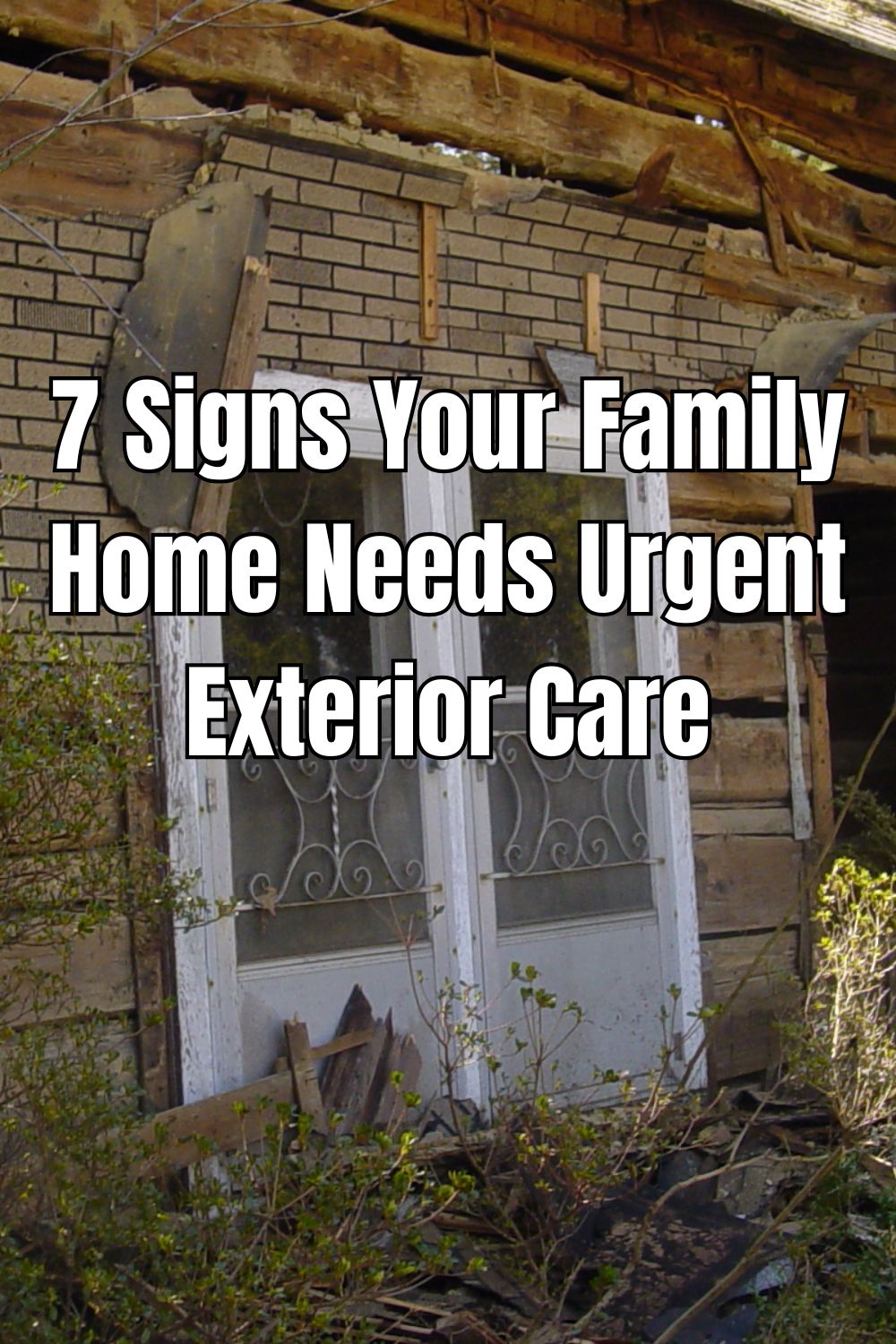
7 Signs Your Family Home Needs Urgent Exterior Care
Managing a busy household leaves little time to stare at your home exterior. Small issues outside can quickly turn into massive repair bills inside. Catching these problems early saves money and protects your family’s peace of mind. Look out for clear warnings that signal your property requires immediate help.
Shingle Damage From Harsh Weather
Staying on top of roof maintenance protects your kids from unexpected leaks. Local specialists often display completed jobs online, so parents can see their recent roofing projects to check standard quality benchmarks. Reviewing expert craftsmanship helps you identify what a secure, fully restored roof looks like. Checking the roof line from the driveway helps spot missing pieces early.
A guide from a home resource site explains how cold seasons stress your roof. Snow, ice, and high winds pack enough power to cause major damage to shingles during winter. Spring serves as the perfect time to perform a quick health check on your roof structure. Catching loose pieces now prevents water from dripping into your ceiling later.
Clogged or Sagging Gutter Systems
Gutters pull water away from your foundation to keep your basement dry. When leaves and twigs block the flow, water spills over the edges and stains your siding. Sagging channels show that the hardware can no longer support the heavyweight. Fixing these brackets stops water from rotting the wooden trim boards near the roof.
Clean gutters mean your home handles summer downpours without a single issue. Neglecting them leads to pooling water that destroys your landscaping investments. Clear the debris twice a year to maintain proper drainage across the property. Functional gutters protect your paint job from constant splash marks.
Peeling Paint and Siding Rot
Exterior walls shield your living spaces from dampness and garden pests. Peeling paint indicates that water is already trapped beneath the surface layer. Wood siding softens gradually when exposed to constant dampness and humidity. Siding protects your framework from rot, so inspect the boards closely every season.
An industry article from a siding manufacturer notes that organic growth signals a major issue. If you notice rot or mold on your outer panels, it means you need a total replacement. Replacing bad panels prevents the decay from spreading into the structural framing studs. New siding upgrades your home’s defense against harsh winds and driving rains.
Cracked Window Frames and Broken Seals
Windows keep your indoor climate comfortable throughout changing seasons. Foggy glass panes mean the internal seal has failed, losing its insulating power. Cracked caulking around the frames permits water to seep into the drywall. Repairing these gaps keeps your rooms warm and stops dangerous mold from forming inside wall cavities.
Old window frames swell or shrink when weather conditions shift rapidly. Stuck windows prevent quick ventilation and indicate warped frames that need attention. Replacing broken caulking blocks prevents outdoor humidity from entering your home spaces.
Hardworking Climate Systems and High Bills
Drafty walls force your heating and cooling equipment to run non-stop. When your energy bills climb suddenly, poor exterior insulation is often the main culprit. Keeping up with internal maintenance helps ease the burden on your machinery.
A monthly checklist from a property blog recommends changing your air filters every 30 days. Regular filter care improves indoor air quality and extends the service life of your HVAC unit. Pairing clean filters with sealed exterior walls lowers your monthly household utility expenses. Your home temperature stays stable when the outer shell retains conditioned air.
Foundation Cracks and Water Pools
The foundation holds your entire property stable, so notice any structural shifts. Hairline cracks expand during freezing weather, creating entry points for water. Watch how water behaves around your concrete slabs after a heavy storm.
Look out for these clear warning signs around the base of your home:
- Standing puddles next to the concrete walls
- Soil eroding near the flower beds
- Cracks wider than a quarter inch in the brickwork
- Damp smells are rising from the crawl space
Fixing soil grading directs rain away from the concrete to prevent shifting. Dry foundations protect your home value and prevent costly structural leveling work.
Pest Intrusions in Attic Spaces
Small rodents and insects look for tiny gaps to enter your warm attic. Missing fascia boards or holes in the soffit create open invitations for pests. Chewed wires and torn insulation mean animals have already moved inside. Sealing these exterior entry points protects your family’s health and preserves home wiring systems.
Raccoons and squirrels easily destroy weakened wooden components to build nests. Regularly checking your roof trim stops these critters from settling above your bedrooms. Securing your home vents keeps unwanted wildlife out of your living zones.
Taking care of your home exterior preserves your investment and keeps your family safe. Walk around your property this weekend to spot these subtle warnings early. Addressing small repairs today prevents stressful renovation projects later on. Your home protects your family, so give it the attention it deserves.
Leave A Reply!