Find valuable mental wellness tips after being disabled by an accident to aid your recovery and emotional adjustment.
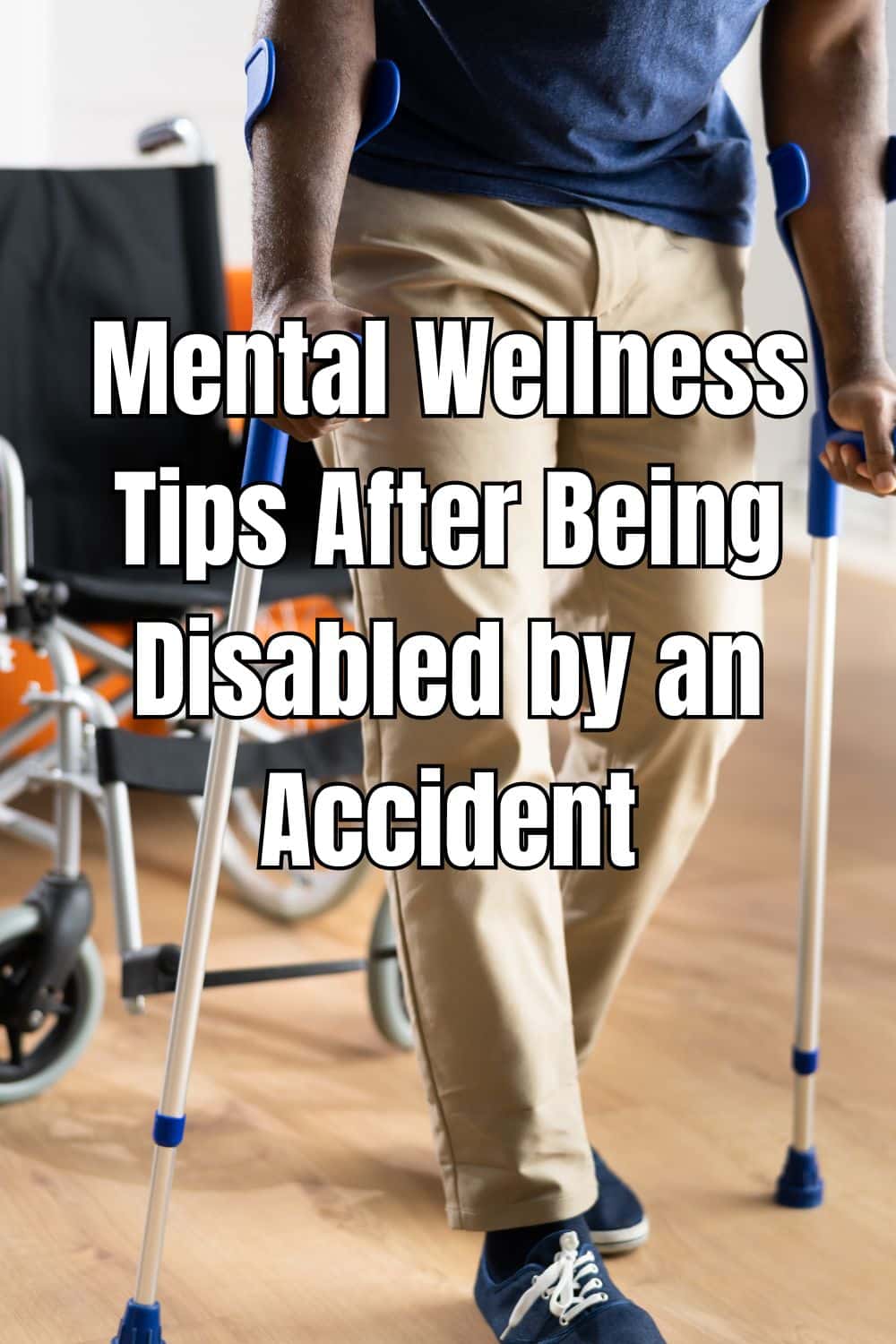
Mental Wellness Tips After Being Disabled by an Accident
A permanent disability from an accident, whether on the road or at the workplace, could result in significant changes in your lifestyle. The first few months could be difficult as you make adjustments, but going beyond the physical challenges, you would experience emotional trials. This comes when you realize that things won’t go back to the way they were. Mental recovery takes a much longer time to take place, often lasting months or even years.
Your emotional wellness affects the healing process, so it’s crucial to find ways to nurture your mental health and give yourself as much time as you need to move on. Here are a few tips to help you get started:
1. Work Closely with a Therapist
Psychological debriefings play an important role in the earliest phases of your treatment. A single session might not be enough if the accident caused a permanent disability that affects your livelihood, relationships, and quality of life.
Follow-up sessions are critical to helping you not just deal with complex emotions that come with processing the accident but also ease your anxiety as you live with your disability. A personalized approach to psychotherapy also helps you develop healthy ways to cope and improve your overall wellness in a way that supports your physical recovery. Never skip regular appointments with a mental health professional and never hold back if you need to talk about the hardship you face each day.
2. Slowly Regain Control
You can’t recover emotionally overnight, but you can take back control through simple, consistent steps. A routine can provide you with a sense of accomplishment each day, so start with tasks that won’t require too much effort on your part.
The goal is to look for areas where you can be more independent. Do you need money to pay bills now? You can take out a small cash loan to fund your daily expenses, such as medication. From there, you can take on other tasks such as washing the dishes and doing the laundry, provided that you install accessibility features in your home. This can take a long time, but easing into a routine will help you overcome your feeling of being powerless.
3. Document Your Daily Life
It’s not easy to put on a face and still feel uncertain about the future. Acceptance isn’t instant because you may tend to compare your life now with your life prior to the accident. This will only delay the progress of your recovery, which only gets worse the longer you dwell in the past. One way you can deal with this is by keeping a record of your experiences, especially in the first few months of living with a disability.
Write down the changes you will have to undergo as well as your thoughts on the adjustments you’re making. Be honest in pointing out your frustrations and the things you do that give you some measure of independence.
It also helps if each journal entry has a gratitude section in which you get to list the things you’re thankful for, as well as your goals for the future and how you want to accomplish them despite your situation.
Endnote
Never let a post-accident disability keep you from realizing your dreams. Consider these tips as you guard your mental wellness and rebuild your life, slowly but surely.
Leave A Reply!