Choosing safe and durable horse fencing is crucial for your horses’ well-being. Find the best tips for securing your pasture.
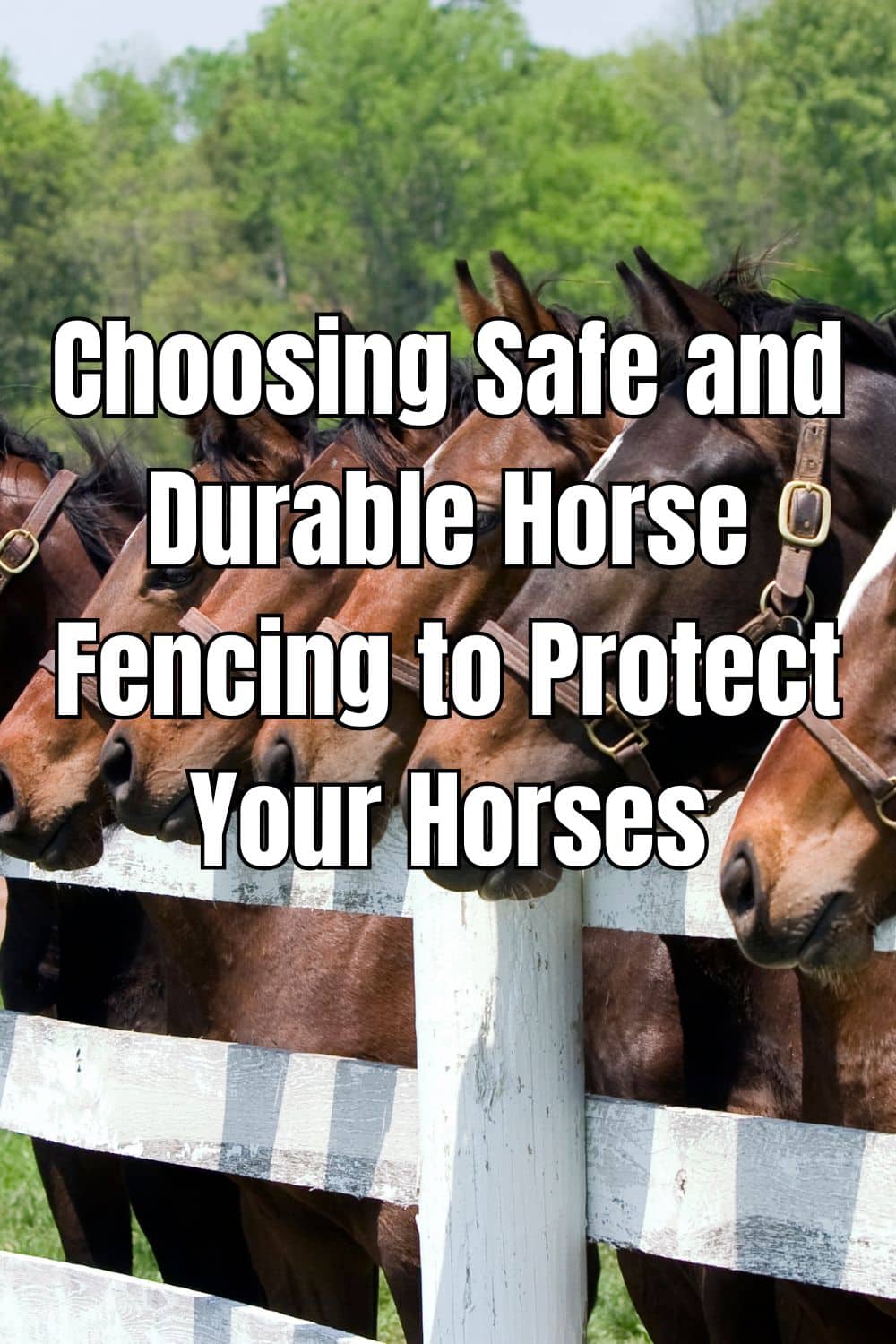
Choosing Safe and Durable Horse Fencing to Protect Your Horses
Horses read boundaries through sight, touch, memory, and herd pressure. A fence should slow a reaction before it becomes a wound, escape, or collision. Sound planning considers height, visibility, post strength, footing, weather exposure, and gate habits. Understanding what makes a fence safe helps owners avoid costly mistakes and preventable injuries.
Owners also need systems that tolerate rubbing, leaning, and seasonal ground movement. Choosing the right horse fencing makes a real difference in daily safety and long-term durability. A dependable enclosure protects skin, tendons, joints, and daily handling routines across the pasture. Every material and design choice plays a part in keeping horses secure.
Match Safety to Behavior
Even settled horses can bolt after pain, fear, flies, or herd tension. Proper fencing gives clear visual limits, steady tension, and safe separation near corners, gates, lanes, and feed sites. Smooth, visible barriers lower the chance of shoulder impact, leg entrapment, skin laceration, and panic-driven contact during turnout.
Prioritize Visibility
A horse usually reacts with its eyes before its body reaches a barrier. Wide tape, coated rail, or bright polymer strands help animals judge depth in shade, fog, dusk, and tall grass. Thin dark wire can vanish against brush. Better visibility is especially valuable for foals, older horses, nervous newcomers, and animals moving at speed.
Choose Safe Materials
Materials should protect tissue as much as they contain movement. Smooth rail, mesh with small openings, coated wire, electric tape, and quality poly rope can work well when installed correctly. Barbed wire raises the risk of torn skin, tendon injury, and deep contamination. Selection should reflect herd size, climate, soil, turnout duration, animal safety, and repair access.
Plan Height and Spacing
Fence height should discourage jumping, chest pressure, and neck reaching. Many pasture enclosures perform well near four and a half to five feet. Large breeds, stallions, and athletic jumpers may need taller lines. Openings must be small enough to prevent trapped hooves, knees, heads, or lower limbs. Shorter post intervals keep tension steadier on uneven terrain.
Use Electric Carefully
Electric fencing works through memory, not force. A consistent charge teaches avoidance after brief contact, which can reduce leaning and rubbing. Grounding must match soil moisture, energizer output, and fence length. Tape or rope should stay taut without sagging into grass. Vegetation, broken insulators, and weak joints can drain power and create unreliable signals.
Strengthen Corners and Gates
Corners take the highest mechanical load, so bracing needs careful placement and firm anchoring. Gate areas deserve equal attention because horses pause, crowd, turn, and push there daily. Latches should close smoothly without sharp points. Openings need enough width for calm movement. Poor hinge gaps can invite rubbing, biting, or trapped halters.
Check Terrain and Drainage
Soil conditions often decide how long a fence stays sound. Wet ground loosens posts, while frost can lift shallow anchors. Rocky sites may require different footing or hardware. Slopes increase speed and impact if a horse spooks downhill. Mud near crossings weakens footing, strains limbs, and concentrates pressure against nearby fence sections.
Build for Weather
Weather changes both materials and fit. Sun can degrade plastics, while moisture encourages corrosion and wood decay. Ice adds weight to rails, tape, and mesh. Wind increases strain across long runs. Fasteners, staples, insulators, and posts should match local exposure. Seasonal checks help catch cracks, rust, warping, and tension loss before failure.
Inspect on a Schedule
A safe fence needs routine eyes on it. Owners should walk the line and check loose staples, leaning posts, sagging strands, damaged mesh, cracked boards, and faulty latches. Storms, fallen branches, and fresh hoof marks deserve immediate review. Written notes help track repeat weak spots. Small repairs protect animals before a minor defect becomes urgent.
Balance Cost and Service Life
The lowest upfront cost does not always mean a lower total expense. A fence that needs frequent repair can add labor, replacement parts, and injury risk. Long service life depends on material quality, correct installation, drainage, and maintenance discipline. Owners should compare lifespan, repair difficulty, visibility, and safety value before choosing a system for daily turnout.
Conclusion
Good horse fencing is a welfare decision as much as a property decision. The safest system respects how horses see, flee, lean, graze, and interact with herdmates. Clear visibility, suitable materials, sound spacing, strong gates, and regular inspection reduce preventable injuries. With practical planning and steady upkeep, owners can protect horses while keeping our pasture work calmer, cleaner, and more predictable.
Leave A Reply!