Learn what to look for when selling a classic car to maximize value and avoid common pitfalls in the selling process.
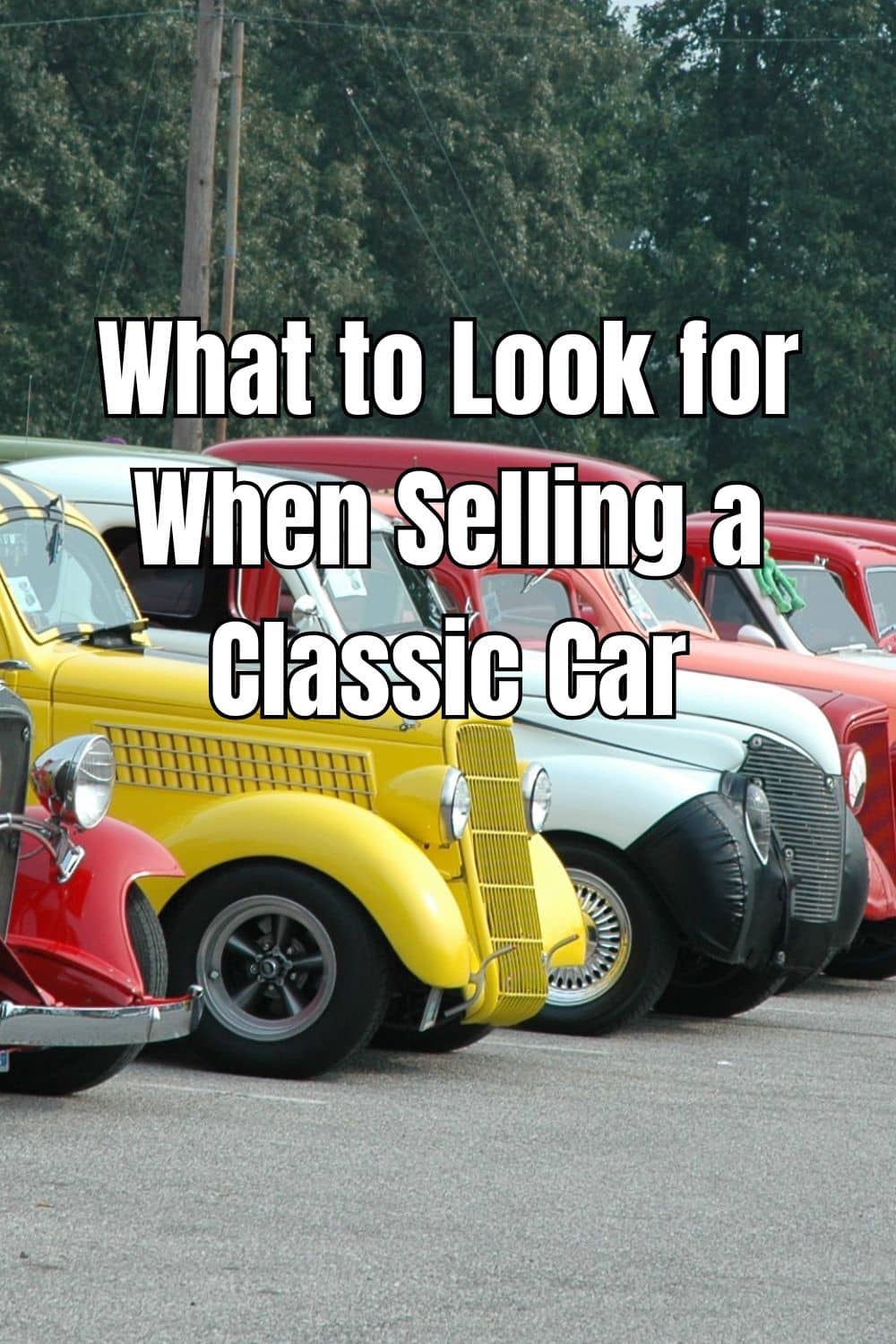
What to Look for When Selling a Classic Car
Selling a classic car takes careful planning and clear market awareness. Every vintage vehicle represents personal pride alongside substantial financial value.
Preparing properly helps owners avoid pricing mistakes and security pitfalls. Taking organized steps gives you complete control throughout the entire selling process.
Evaluating Market Trends and Current Pricing
Finding true market value requires comparing recent sales and active collector listings. Professional buyers offer instant payment for your classic car when you prefer a direct transaction without waiting months for private offers. Getting independent appraisals gives you realistic numbers before starting conversations with potential buyers. Researching historical pricing trend reports protects sellers from underpricing rare models.
Collector values shift based on rarity, factory options, and restoration standards. Models with matching engine numbers command premium prices across all markets. Studying auction results provides accurate benchmarks for setting your asking price.
Valuation guides provide baseline estimates for standard vintage models. Monitoring local collector clubs gives insights into regional demand patterns. Setting a fair price attracts serious buyers quickly.
Gathering Maintenance Records and Title Documentation
Buyers demand clear proof of service history and legal ownership documentation. Organized maintenance logs demonstrate proper care throughout your period of ownership. Having complete files builds buyer trust and supports higher asking prices.
Store all title certificates, repair bills, and registration papers in a dedicated binder. Provenance creates confidence that serious collectors search for when purchasing vehicles. Missing titles cause unnecessary delays and lower cash offers.
Keep key records organized before listing your vehicle for prospective buyers:
- Original title certificates with clear ownership records
- Detailed service logs and stamped maintenance receipts
- Historical restoration documents and factory build sheets
- Professional appraisal forms and state inspection reports
Assessing Mechanical Health and Body Condition
Accurate condition assessments prevent surprises during buyer inspections. Engine performance, frame integrity, and paint quality directly dictate final offers. Fixing minor cosmetic flaws before listing maximizes visual appeal.
Disclose known mechanical flaws straight away to maintain trust. Buyers appreciate clear communication regarding minor leaks, body blemishes, or non-original parts. Detailed photos of minor imperfections set clear expectations early.
Test drives reveal underlying mechanical issues that require attention. Checking fluid levels, brake feel, and tire condition protects safety during prospective buyer viewings. Addressing minor items ahead of time keeps negotiations smooth.
Preparing the Vehicle for Showing and Photography
Presentation directly impacts how fast your vehicle sells and how much buyers offer. Clean surfaces and tidy interiors create immediate positive reactions during viewings. Taking high-quality photos in soft sunlight shows body contours clearly.
Detailing yields strong returns when listing vintage vehicles online. Removing dust, conditioning leather seats, and polishing chrome accents displays pride of ownership. Clean engine bays signal diligent care to mechanical enthusiasts.
High-resolution photos should capture every angle of the car clearly. Take photos of the dashboard, interior upholstery, engine bay, trunk space, and undercarriage. Comprehensive photo galleries reduce buyer hesitation before in-person visits.
Comparing Private Buyers and Commercial Dealerships
Selling privately can yield higher profits, but managing private sales requires time. Private listings involve phone calls, test drives, and handling payment risks directly. Commercial buyers provide structured transactions with verified payment methods.
Direct dealer sales eliminate safety concerns and long negotiation processes. Sellers save months of listing fees, storage costs, and advertising expenses. Evaluating personal priorities determines whether speed or maximum price matters most.
Consider key factors when deciding between private listings and direct dealer sales:
- Speed and convenience of closing the sale
- Protection against fraudulent payment schemes
- Time required to answer calls and schedule viewings
- Ongoing insurance and storage fees accrued during listing periods
Navigating Secure Payment Methods and Transaction Safety
Receiving verified funds before releasing vehicle titles protects your money. Bank wire transfers and verified cashier checks offer secure financial transactions. Direct cash payments require verification at bank branches to confirm authenticity.
Avoid personal checks or unverified online payment arrangements from unknown buyers. Scammers target private sellers through fake escrow services and forged payment slips. Completing financial paperwork inside bank branches guarantees security for both parties.
Releasing title documents only occurs after funds clear into your bank account. Avoid releasing the vehicle before full payment confirmation appears on bank records. Setting firm payment rules protects sellers against financial losses.
Timing Your Listing for Maximum Collector Interest
Seasonal changes alter collector demand across different vehicle categories. Convertible models draw strong interest during spring and early summer months. Market analysis indicated demand for late-20th-century vintage trucks grew by 14 percent year over year.
Broader economic shifts influence collector spending power throughout the year. Tracking collector event calendars helps time your listing alongside major vehicle auctions. Aligning your listing date with peak seasonal interest optimizes sale outcomes.
Local weather conditions dictate when buyers schedule test drives. Clear sunny weather encourages enthusiasts to travel and inspect potential purchases. Planning your sale around favorable weather windows improves buyer response rates.
Preparing documentation, selecting safe payment methods, and pricing accurately guarantees a successful transaction. Clear organization combined with honest representation leads to smooth sales and solid financial returns.
Taking the right steps protects your investment when finding the best home for your vintage automobile. Proper strategy turns a complex transaction into a rewarding accomplishment.
Leave A Reply!