Identify the 7 safety signs your home needs urgent roof repair to prevent further damage and ensure your safety.
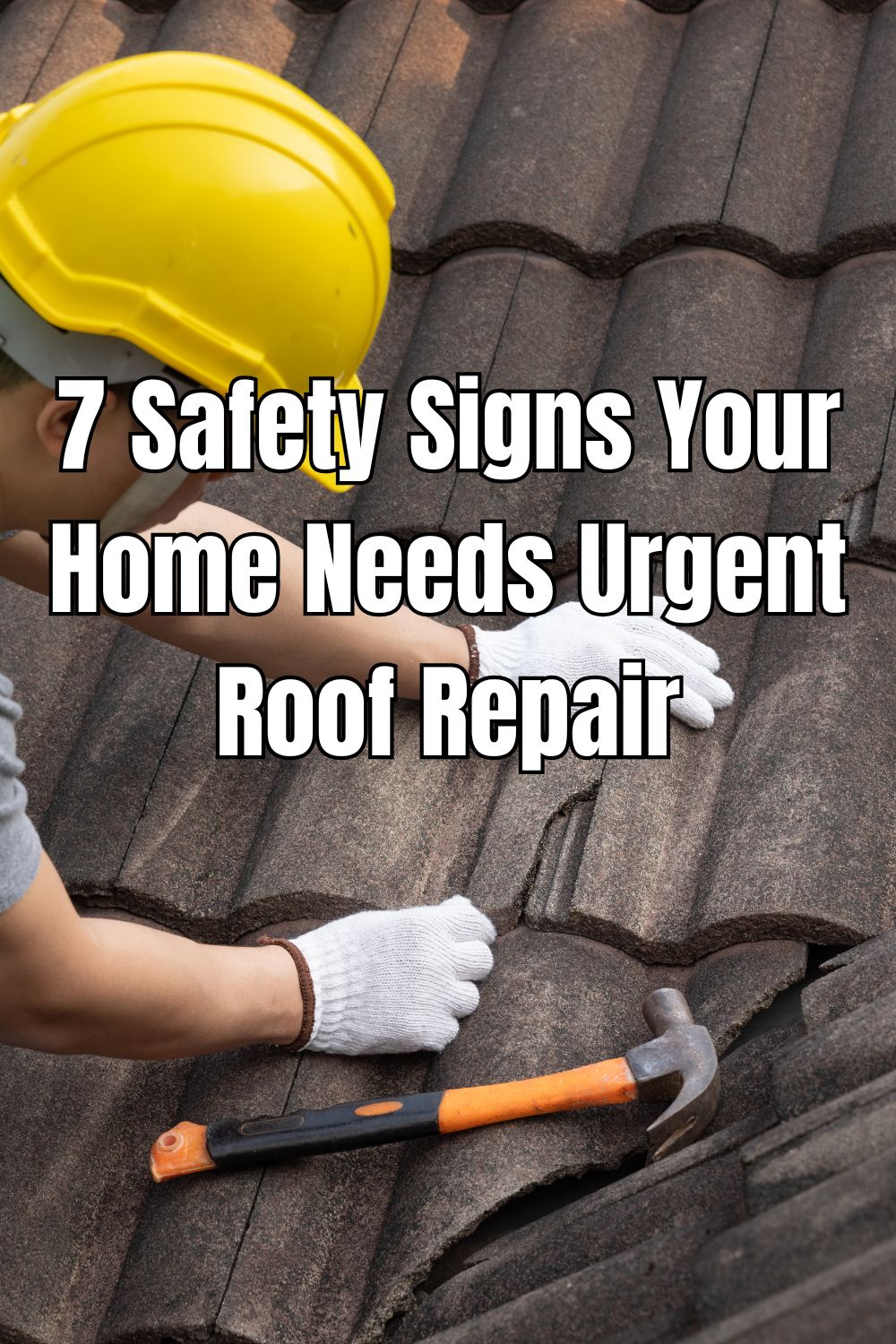
7 Safety Signs Your Home Needs Urgent Roof Repair
A solid roof protects everything inside your home from harsh weather elements. Neglecting basic maintenance can lead to major structural hazards that threaten your family. Spotting danger signs early prevents expensive restoration projects down the road.
Homeowners must stay alert to structural changes to maintain a secure environment. These 7 critical safety warning indicators demand immediate attention before a major failure occurs.
Sagging Ceiling Sections
A sagging ceiling indicates that water has already bypassed your outer defense layer. The weight of pooled water strains the drywall or plaster above your living space.
An informational publication by a Colorado roofing association highlights that property owners should watch for discoloration on ceilings or walls alongside sagging portions.
These visual cues mean the roof structure needs immediate structural assessment. Ignoring these damp spots can lead to sudden overhead collapse.
Water logs the underlying materials and makes them too heavy for the ceiling fasteners to hold. Seeking expert intervention helps minimize the damage to your property.
Missing Or Damaged Shingles
High winds and storms regularly strip protective materials right off your roof deck. You can secure your property with residential roofing services before water creates permanent interior deterioration. Professional contractors can identify hidden weak spots that untrained eyes easily miss.
Exposed areas collect water fast and speed up plywood rot. Missing shingles leave the underlayment completely bare against torrential rain. Left unprotected, small leaks expand into major structural failures within weeks.
Bald spots allow UV rays to degrade the waterproof barriers beneath. Replacing individual components early extends the lifespan of the entire system.
Water Damage In The Attic
Checking your attic after a heavy rainstorm reveals the true health of your roof system. Dark stains on rafters or damp insulation signal active penetration points. These issues tend to spread quickly during changing seasons.
A guide from a Georgia roofing contractor organization recommends conducting thorough inspections twice a year.
Their experts suggest scheduling reviews in early spring to check winter weather impacts and in early fall to detect summer deterioration. Regular checks stop small water problems from ruining home insulation.
Water trapped in an unventilated attic weakens structural timbers. Catching these leaks early prevents the need for a total roof replacement.
Structural Sagging Along The Ridgeline
A straight roofline indicates a healthy, stable internal support system. When the roof ridge begins to dip or curve, the structural framework is failing.
Safety guidelines issued by Fairfax County warn that noticing severe structural warning signs requires residents to evacuate the building immediately.
A dipping roof deck means the weight-bearing components can no longer support the system. Professional evaluation must happen right away to prevent complete failure.
Truss damage demands professional reinforcement to avoid a catastrophic cave-in. Homeowners should never attempt to walk on a visibly bowing roof.
Growth Of Mold And Rot
Persistent water creates a perfect breeding ground for toxic biological growth. Mold can spread across wood sheathing and drywall within 48 hours of exposure.
Spores traveling through the ventilation system can trigger respiratory issues for residents. Wood rot softens the main supports, rendering the building unsafe. Replacing rotten wood panels remains the only way to restore full structural strength.
Look out for these signs of biological damage:
- Fuzzy dark spots on attic rafters
- Musty odors inside upper rooms
- Soft, spongy spots on roof boards
- Peeling paint near the roofline
Light Leaking Through The Roof Boards
Step into your attic during daytime hours and turn off all artificial lights. Seeing beams of sunlight pierce through the roof boards indicates a clear breach. If sunlight can pass through, rain, snow, and pests can enter just as easily.
These gaps compromise home energy efficiency by letting climate-controlled air escape. Small openings expand when water freezes and thaws inside the cracks. Sealing these holes protects the interior from sudden storm damage.
Rodents use these tiny entry points to establish nests inside your walls. Fixing these gaps keeps your home secure from both weather and pests.
Granules Piling Up In Gutter Systems
As asphalt shingles age, they lose their protective outer coating of ceramic granules. You might notice these small granules accumulating inside your gutter channels.
Without this protection, shingles become brittle and crack under temperature shifts. Finding large amounts of debris during gutter cleanouts means the roof material has reached the end of its lifespan. Replacement protects your home from sudden leaks.
Heavy granule loss can clog downspouts and lead to water overflowing near your foundation. Monitoring your gutters provides an excellent preview of roof longevity.
Monitoring your roof for these safety indicators prevents sudden emergencies and keeps your household secure. Addressing minor faults before they progress protects your long-term property value.
Roof structural integrity remains a foundational part of home safety. Schedule regular visual checks to stay ahead of structural decline. Taking a proactive stance means your home stays safe through every season.
Leave A Reply!