Discover why precision calibration matters for commerce and how accurate measurements improve product quality and more.
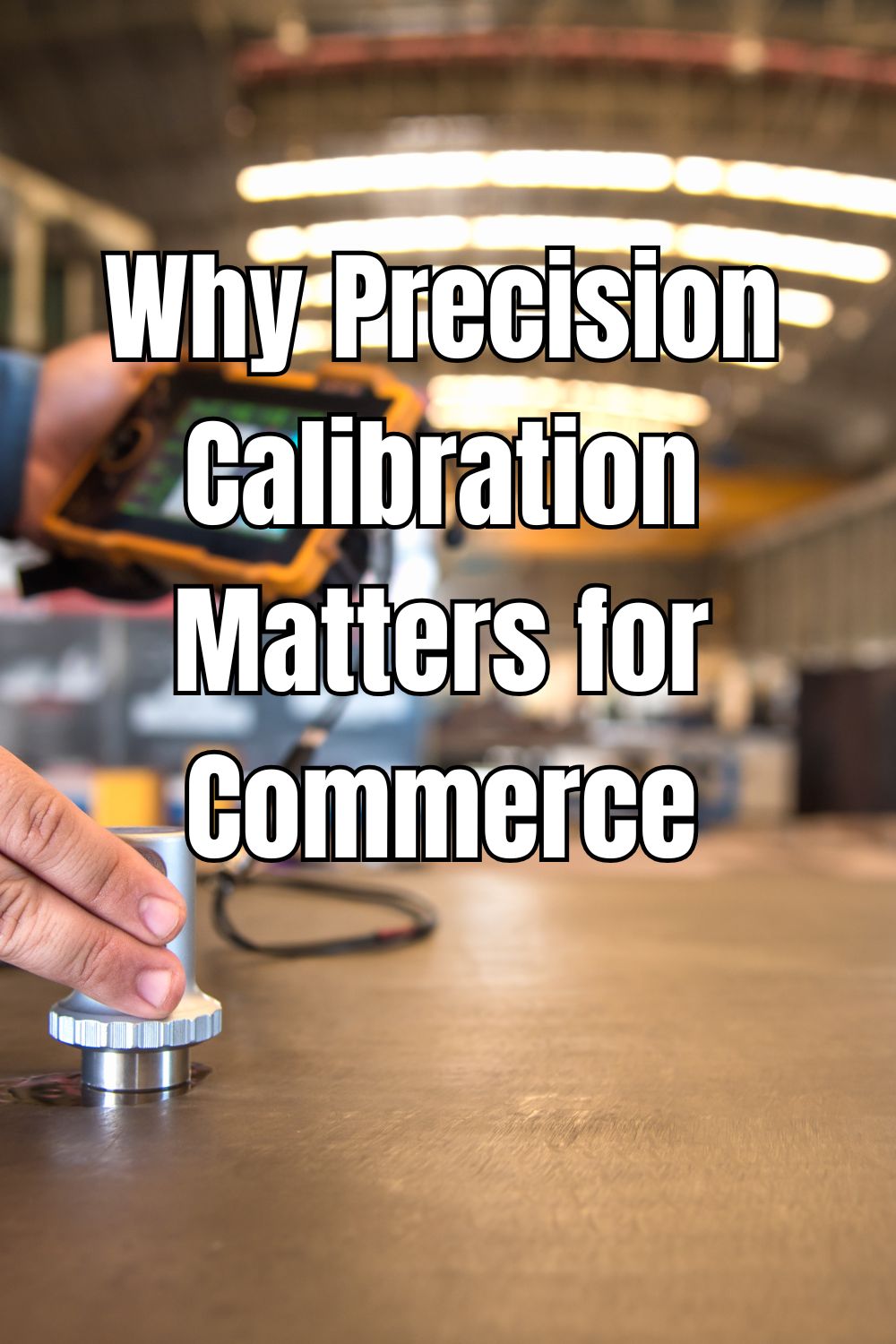
Why Precision Calibration Matters for Commerce
Imagine running a business where every transaction relies on weight, but your numbers are slightly off. A small error of just a few grams might seem minor during a single transaction.
Those tiny discrepancies accumulate across thousands of daily transactions, quietly draining company profits. Buyers and sellers both rely on standard metrics to maintain trust with consistent attention and the proper tools.
The Hidden Cost Of Measurement Drift
Every commercial scale experiences daily wear that impacts accuracy. Business owners utilize scale test weights to verify that their equipment is properly aligned before starting daily operations. Regular checks prevent small errors from turning into massive financial losses.
Temperature shifts, dust accumulation, and heavy mechanical impacts cause precision devices to lose calibration. A scale that drifts by only 1% can cost a high-volume shipping facility thousands of dollars each week, a heavy penalty for negligence. Routine verification protects your operations against these invisible financial leaks.
Industrial environments present harsh conditions for electronics. Constant loading creates physical stress that alters sensor responsiveness. Daily routines catch subtle variations before customers notice problems.
How Legal Metrology Protects Market Fairness
Local regulations mandate strict standard compliance for any device involved in buying or selling goods. Retail devices used in commercial transactions must undergo calibration with certified tools to satisfy legal metrology standards and maintain fair trade. Failing to meet these legal benchmarks can result in heavy fines or forced operational shutdowns.
Consumer protection agencies inspect commercial hardware to confirm accuracy across the board. Merchants must demonstrate that their numbers match national standards exactly. Fairness in the marketplace protects honest vendors from unfair competition. Correctly adjusted gear guarantees that a dollar spent buys exactly one dollar worth of product.
Selecting The Right Class For Your Operational Needs
Different industries demand distinct levels of precision depending on their specific products. A technical guide points out that M1 varieties typically serve standard industrial or commercial weighing tasks, whereas E1 and E2 options fit high-precision settings like pharmaceutical or aerospace labs. Choosing an inappropriate class leads to bad data or unnecessary equipment expenditures.
Heavy manufacturing facilities find that rugged iron tools provide the perfect balance of durability and precision. Laboratories handling microgram quantities of chemicals require much tighter tolerances. Matching the hardware class to your specific environment keeps measurement protocols cost-effective.
Why Certified Standard Weights Deliver Maximum Accuracy
Relying on random objects or unverified masses for equipment adjustments introduces massive human error. The employment of certified mass standards stands as the most dependable method for scale adjustments and represents the ideal primary option for businesses. Certified tools provide an unyielding baseline that eliminates guesswork from the validation process.
Every certified tool comes with official documentation tracing its roots back to international standards. This paper trail satisfies strict quality control audits from external inspectors. Depending on uncertified objects can jeopardize your entire quality management system during a surprise inspection.
Unverified masses change shape from friction and moisture. Standardized blocks feature specialized alloys designed to resist corrosion. Investing in verified equipment secures reliable outcomes.
Tracking Environmental Factors In The Warehouse
Rapid temperature drops alter the physical properties of load cells, which result in inconsistent readouts. Drafts from open bay doors can exert an invisible downward force on large platforms.
Humidity levels create moisture films on exposed metal surfaces, adding micro-layers of uncounted mass.
Vibrations from nearby forklift traffic or heavy machinery disrupt delicate calibration baselines. Where possible, control these factors to stabilize your daily measurements. Staff should monitor warehouse climates to identify when instruments require attention. Isolating sensitive hardware reduces external interference.
Best Practices For Regular Weight Verification
Maintain an accurate system with some structured routines. Operators must handle precision gear with proper care to maintain its structural integrity throughout its operational lifespan.
- Store precision equipment inside padded protective cases to prevent environmental damage
- Use clean nylon gloves or specialized tongs to avoid transferring oils from skin
- Schedule formal professional inspections at least once every 12 months
- Document every single adjustment in a central logbook to track performance patterns
With consistent tracking, floor managers can identify hardware deterioration before it affects daily output. Small adjustments performed weekly keep heavy-duty machinery running within acceptable tolerance limits.
Protecting Profit Margins In High Volume Shipping
Speed should never come at the cost of accurate measurements. Underestimating cargo weights will result in regulatory safety fines from highway authorities. Overestimating cargo weights means charging clients too much, which damages business relationships. Accurate shipping records protect profit margins and prevent expensive billing disputes.
Companies that take measurement stability seriously see fewer freight adjustments on their monthly invoices. Trustworthy numbers form the bedrock of seamless supply chain management.
Precision in commerce centers on protecting business margins and maintaining mutual trust with every client. Regular instrument validation eliminates the invisible errors that threaten your profitability. Small investments in standard weights save businesses from massive long-term losses. Keeping your machinery aligned guarantees that every transaction remains fair, accurate, and profitable.
Leave A Reply!