

Explore practical ways to improve comfort while using CPAP therapy. Small adjustments can make a big difference in your experience.
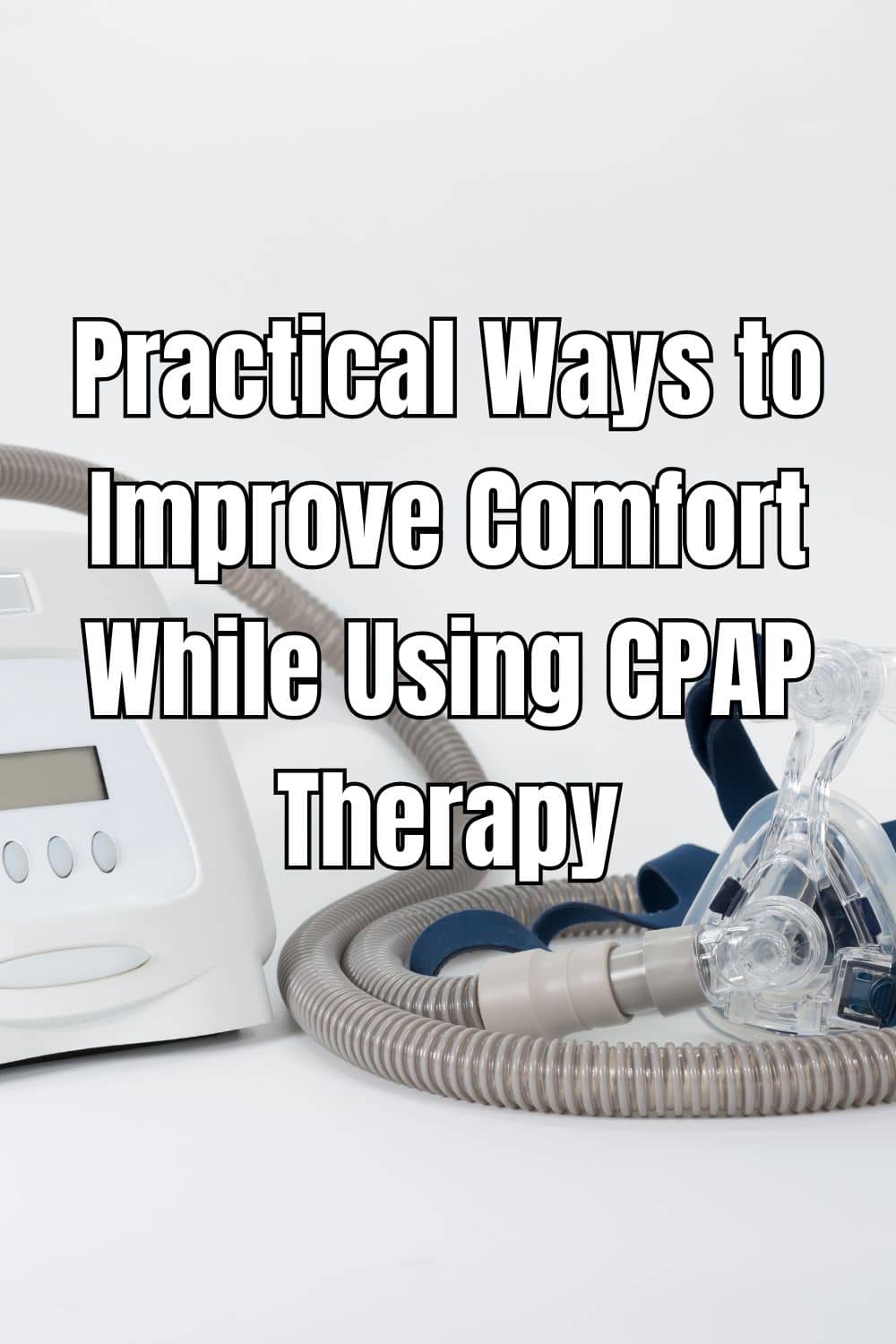
Practical Ways to Improve Comfort While Using CPAP Therapy
Continuous positive airway pressure supports safer breathing during sleep, yet comfort problems often weaken regular use. Pressure can feel unnatural at first, masks may press on delicate skin, and dry air can trigger repeated waking. Most barriers improve with small, targeted adjustments rather than major equipment changes. Knowing which adjustments matter most can help patients stay on track from the start.
Careful attention to airflow, fit, moisture, and nightly habits usually makes treatment easier to tolerate. Reviewing CPAP solutions that address common comfort barriers can help patients remain consistent with therapy over time. The sections below cover practical steps that support better comfort and more reliable nightly use.
Start With Nasal Airflow
Comfort often begins with the nose, because blocked passages push sleep breathing in a less efficient direction. Congestion encourages mouth opening, raises leak risk, and can make pressure feel harsher than it is. Many adults benefit from reviewing options that address obstruction, mask fit, and setting concerns together. That wider clinical view helps identify linked problems before frustration hardens into skipped treatment.
Check Mask Size Early
Mask sizing deserves early attention because even minor errors can disturb several hours of rest. A cushion that sits too high may leak near the eyes. One that runs narrow can pinch soft tissue and leave grooves by morning. Headgear also loosens over time, which changes contact points. Prompt refitting often improves comfort faster than patients expect during the first month.
Adjust Headgear Gently
Extra strap tension feels like a quick fix, yet it often worsens the problem. Over-tightening bends the cushion, creates sharper pressure points, and may increase escaping air. Balanced contact works better than force. The frame should stay stable while the face still moves naturally. Fitting while lying down can help, since cheek position and jaw angle shift once the body settles for sleep.
Add Moisture to the Air
Dry air can irritate nasal lining, throat tissue, and the mouth within a few hours. According to the U.S. Food and Drug Administration, CPAP machines help keep airways open by providing a steady stream of pressurized air through a mask. Heated humidity often softens dryness and makes inhalation feel less abrasive. Some bedrooms also cool the tubing enough to create condensation, which can startle light sleepers. In that setting, a heated tube may help keep moisture steady. Stable humidity often reduces waking caused by dryness or dripping water.
Review Pressure Settings
Pressure settings deserve review when therapy feels forceful, uncomfortable, or oddly insufficient. Excess flow can lead to swallowed air, chest fullness, or fragmented sleep. Low pressure may leave a patient feeling air hungry at lights out. Machine data often helps clinicians sort out that difference. Ramp features may also ease the shift into sleep by starting lower and rising gradually after relaxation begins.
Protect the Skin
Skin irritation should never be accepted as a normal cost of treatment. Red marks can fade quickly, but persistent breakdown signals excess friction or poor fit. Soft liners may reduce rubbing in sensitive areas. Daily cleaning matters as well, because oils and residue change how cushions sit against the face. Some patients also do better after rotating mask styles while sore spots recover.
Manage Mouth Breathing
Mouth breathing can dry tissue quickly and raise leak rates through the night. For some adults, better nasal airflow reduces the problem without further changes. Others keep opening the jaw after sleep begins, even with clear passages. A chin strap helps certain patients maintain a more stable seal. If dryness and leaks continue, a full-face mask may better match the person’s breathing pattern.
Build a Short Routine
A short routine lowers mental resistance and makes treatment feel less disruptive. Consistency matters more than complexity. Many patients do well with one fixed order: wash the face, fill the humidifier, check the seal, then start the machine before heavy sleepiness sets in. Repetition builds familiarity over time. That predictability often reduces anticipatory tension and helps the equipment feel integrated into rest.
Clean Equipment Consistently
Clean equipment generally feels better on the skin and performs more reliably. Cushions collect facial oils that weaken the seal. Tubing can hold moisture, dust, and odor if drying is incomplete. Mild soap and warm water are usually enough for regular care. Filters also need attention, since clogged material can affect airflow. Replacing worn parts on schedule helps prevent small comfort issues from building into repeated disruption.
Track Patterns, Not Bad Nights
One rough night rarely tells the whole story about treatment comfort. Adaptation usually happens in stages, with better stretches followed by setbacks. Brief notes about dryness, leaks, pressure discomfort, or waking times can reveal patterns worth discussing during follow-up. That record gives clinicians something concrete to interpret. Clear observations often lead to faster adjustments than vague descriptions of feeling uncomfortable or tired.
Conclusion
Better comfort with continuous positive airway pressure usually comes from patient observation and modest changes made at the right time. Clear nasal breathing, correct mask sizing, balanced humidity, and careful pressure review each affect how tolerable treatment feels after midnight. Early action matters because small irritations can grow into skipped use. With steady troubleshooting and clinical follow-up, nightly therapy often becomes calmer, more effective, and easier to continue over the long term.
Leave A Reply!