Discover 6 playground hazards parents may not notice until a child gets hurt. Learn how to keep kids safe while they play.
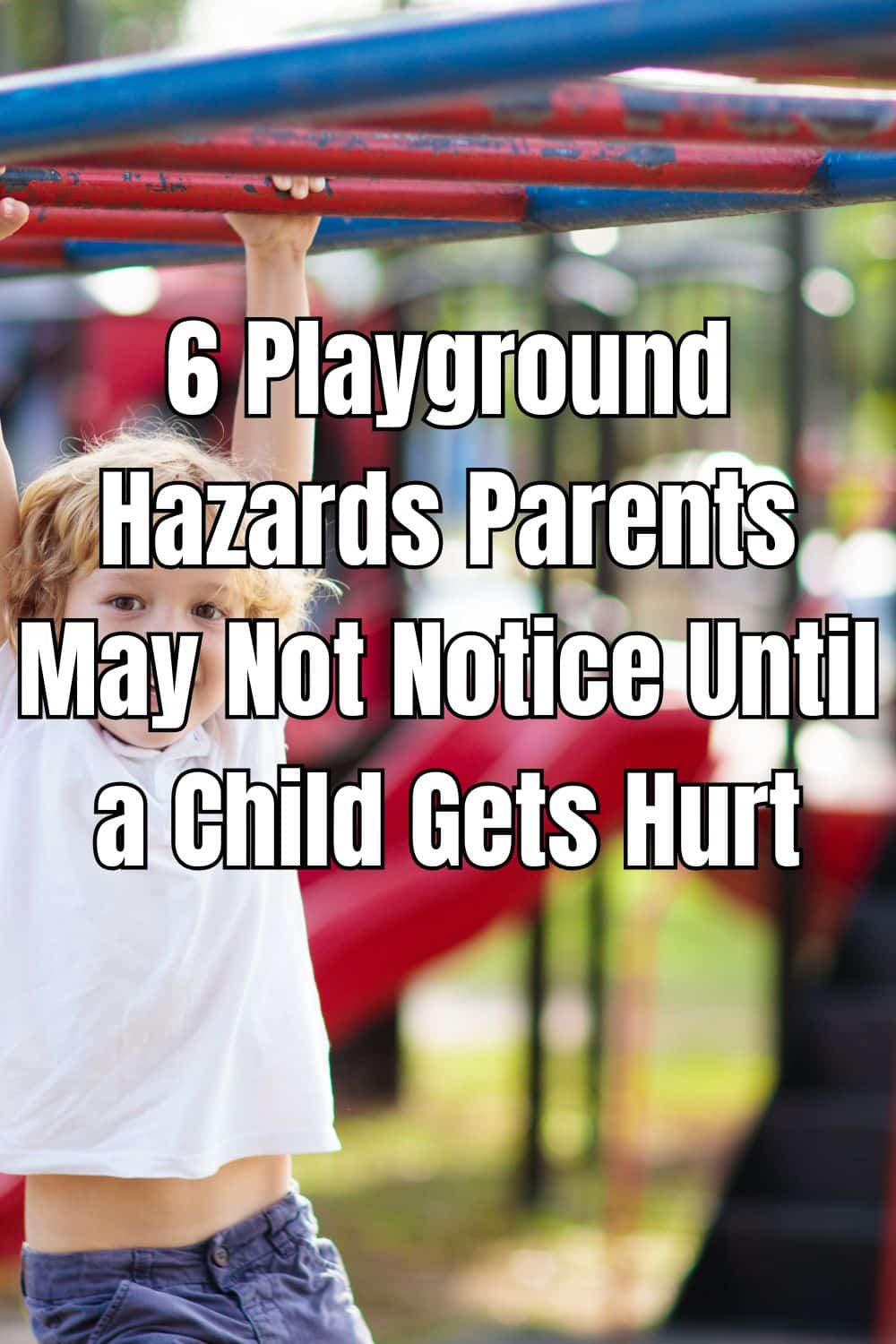
6 Playground Hazards Parents May Not Notice Until a Child Gets Hurt
Playgrounds are meant to give children space to run, climb, swing, jump, and explore. Parents may expect a playground to be reasonably safe, especially when it is located at a school, park, daycare, apartment complex, or community area. But some hazards are not obvious at first glance.
A playground danger may blend into the surroundings until a child falls, trips, becomes trapped, or strikes a hard surface. After an injury, parents may begin noticing details they had no reason to question before. When a child is seriously hurt, a personal injury lawyer in Forest Hills may review the playground condition, supervision, maintenance records, and how the injury happened.
1. Surfacing That Looks Soft but Does Not Cushion Falls
The surface under playground equipment is one of the most important safety features. Parents may see mulch, rubber tiles, sand, or loose-fill material and assume the area is safe. But the surface may not be deep enough, evenly spread, or properly maintained.
A child who falls from a slide, climber, or swing may hit the ground with significant force. If the protective surface is thin, compacted, displaced, or missing in high-use areas, it may not absorb impact as intended. Bare dirt, concrete, asphalt, and worn-down patches near landing zones can increase the risk of head injuries, fractures, and serious bruising.
2. Small Gaps That Can Trap Hands, Feet, or Clothing
Some playground hazards are hidden in the spaces between equipment parts. Openings between rails, platforms, ladders, chains, and steps may create entrapment risks. A child’s hand, foot, head, or clothing can become caught while they are climbing or moving quickly.
These hazards can be difficult for parents to notice because they may look like normal equipment design. But if a gap is the wrong size, broken, bent, or missing a cover, it can become dangerous. A trapped shoelace, drawstring, or hand can cause a child to fall or become stuck in a frightening position.
3. Loose Hardware Beneath Bright Equipment
Playground equipment may look cheerful and sturdy from a distance. Bright paint and familiar shapes can make parents feel comfortable. But bolts, screws, brackets, chains, anchors, and connectors may loosen over time.
Loose hardware can cause equipment to wobble, shift, collapse, or create sharp edges. A swing chain may pull unevenly. A handrail may move when a child leans on it. A platform may feel stable until several children climb on it at once. Regular inspection matters because small mechanical problems can become serious hazards when children are playing.
4. Hot Surfaces on Sunny Days
Heat can turn playground equipment into a danger that parents may not expect. Slides, metal bars, rubber mats, artificial turf, plastic seats, and dark surfaces can become extremely hot in direct sunlight. A child may touch or sit on a surface before realizing it can burn their skin.
Young children may not react quickly enough to avoid injury. They may place their hands on a hot slide, sit on a heated swing, or crawl across a surface that has absorbed sunlight for hours. Shade, material choices, warning signs, and proper placement can reduce this risk. Parents should also be aware that a surface can be too hot even when the air temperature feels manageable.
5. Poor Visibility From the Seating Area
Some playgrounds are designed in a way that makes supervision harder. Benches may be placed too far away, equipment may block sightlines, or landscaping may hide parts of the play area. Parents and caregivers may believe they can see the playground clearly when important sections are actually out of view.
Poor visibility can delay help when a child falls, gets stuck, is pushed, or wanders toward a dangerous area. This risk can increase in crowded playgrounds, schoolyards, and daycare settings. A safe play area should allow reasonable observation of the places where children climb, slide, swing, and gather.
6. Trip Points Around the Edges of the Play Area
Parents often watch the equipment itself, but injuries may happen around the edges. Uneven pavement, exposed roots, broken curbs, raised mats, loose borders, drainage grates, and holes near the playground can cause children to trip while running from one area to another.
These hazards may be overlooked because they are not part of the main play structure. Still, children rarely move slowly on a playground. A small raised edge or hidden hole can cause a hard fall, especially when a child is excited, distracted, or carrying a toy. Photos of the exact area after an injury can help show whether the trip hazard was visible and preventable.
Why Children Face Greater Risk
Children do not always recognize danger the way adults do. They may climb too quickly, jump without checking the landing area, chase friends, or use equipment in unexpected ways. Younger children may lack the coordination to recover when something goes wrong.
That does not mean every playground injury is the child’s fault. Playgrounds should be designed, maintained, and supervised with children’s behavior in mind. If a danger is predictable, the people responsible for the playground may need to take reasonable steps to reduce the risk.
Maintenance Should Not Be an Afterthought
Playgrounds change over time. Weather, heavy use, vandalism, poor repairs, and aging equipment can create hazards that were not present when the playground was first installed. A safe playground requires ongoing attention.
Maintenance records may help show whether the area was inspected, whether complaints were made, and whether repairs were delayed. If the same problem existed for weeks or months before a child was hurt, the injury may raise questions about whether the danger should have been corrected sooner.
What Parents Can Document After an Injury
After a playground injury, medical care should come first. Once the child is safe, parents can help preserve important details by documenting:
- Playground equipment: Photos of the structure, broken parts, sharp edges, loose pieces, or damaged areas.
- Ground surface: Images of mulch, rubber mats, pavement, holes, uneven areas, or other landing surfaces.
- Lighting and signs: Photos showing visibility, warning signs, rules, or missing notices.
- Surrounding area: Pictures of fences, walkways, hazards, or nearby conditions that may have contributed.
- What happened: Notes about where the child was, what they were doing, and how the injury occurred.
- Witness information: Names of people who saw the injury or knew about prior concerns.
- Official records: Medical records, school or daycare incident reports, and photos of the child’s injuries.
These details can help create a clearer picture of what happened and whether a hazard played a role.
When a Hidden Hazard Becomes Clear Too Late
Many playground hazards are easy to miss until a child gets hurt. Thin surfacing, unsafe gaps, loose hardware, hot surfaces, poor visibility, and trip points can all create risks that parents may not notice during ordinary play.
A child’s injury should prompt careful questions about the playground’s condition and whether reasonable safety steps were taken. When the evidence shows that a hazard existed before the injury, families may need answers about why it was not fixed before a child paid the price.
Leave A Reply!