Planning a road trip? Learn the Family Car Safety: 6 essential checks every family needs for a smooth journey.
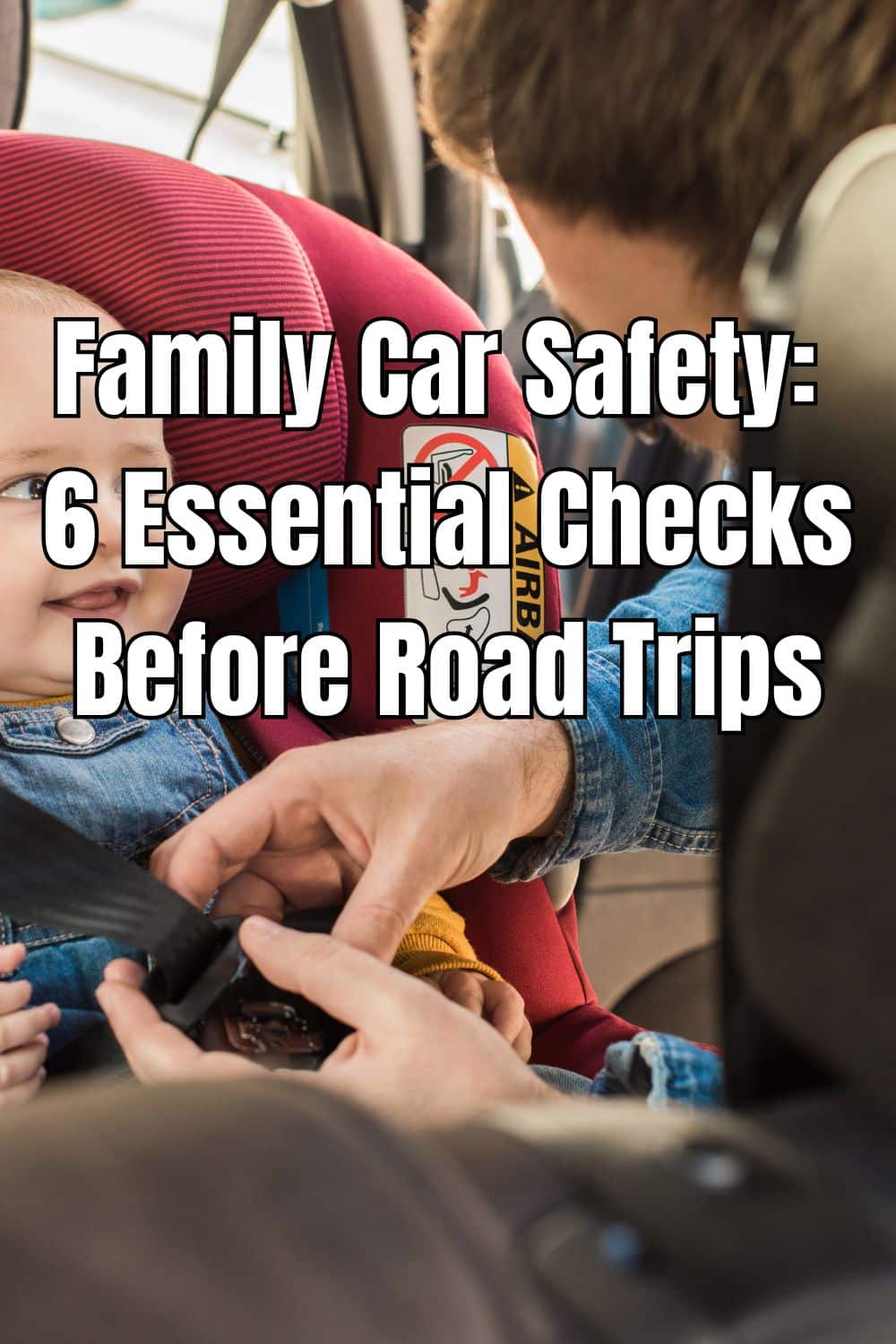
Family Car Safety: 6 Essential Checks Before Road Trips
Packing up for a family vacation brings plenty of excitement and long to-do lists. Getting your vehicle ready stands as the most critical step before hitting the open highway. A brief inspection at home prevents frustrating breakdowns along the way.
Taking time for simple maintenance keeps everyone in your backseat safe and happy. Small issues can quickly turn into major delays when driving long distances. A quick pre-trip routine offers total peace of mind for your whole journey.
Tire Pressure and Tread Inspection
Proper tires keep your vehicle firmly connected to the pavement during emergency maneuvers. Navigating complex traffic problems requires a fully functional vehicle, so drivers facing crash consequences often consult experts such as Michigan personal injury lawyers at Lipton Law to understand their rights. Inspecting your tread depth with a simple penny test helps avoid hazardous hydroplaning.
Correct inflation levels maintain balanced handling across various driving conditions. Underinflated rubber wears down rapidly and generates dangerous internal heat. Maintaining correct PSI levels protects your wallet and keeps your steering accurate.
Spare tires deserve equal attention before you hit the road. Finding a flat spare on a remote highway leaves your family stranded. Always verify your emergency jack and lug wrench sit securely in the trunk.
Engine Oil and Fluid Levels
Engine oil lubricates critical internal components to stop friction from damaging your motor. Roadside patrols checking vehicle fluids report that 1 in 3 cars has dangerously low oil levels. Top off your oil reservoir before driving long stretches.
Coolant stops your engine from overheating during hot summer highway drives. Low coolant levels cause severe overheating that destroys sensitive motor parts. Check the plastic expansion tank to confirm fluid sits between minimum and maximum lines.
Brake fluid and windshield washer fluid require quick checks. Fresh washer fluid clears away bugs and dirt to protect your visibility. Dark or low brake fluid indicates a need for professional service.
Brake System Responsiveness
Brakes handle extreme stress during long highway trips with heavy cargo. Squeal noises or grinding sounds indicate worn pads that need swift replacement. Spongy pedal feel signals air trapped inside hydraulic brake lines.
A proper brake check involves several clear warning signs:
- High-pitched squealing when applying light pressure.
- Steering wheel vibrations during hard stops.
- Vehicle pulling to one side under braking.
Drivers who address these symptoms early protect their brake rotors from severe friction damage.
Stopping distance increases significantly when carrying full passenger loads. Fresh brake components give you confidence when quick stops become necessary. Having a technician inspect thin brake pads prevents costly rotor damage.
Car Battery Health
Hot summer weather drains battery life faster than cold winter temperatures. Corrosion around battery terminals blocks electrical current from reaching your starter. Cleaning white crusty buildup with a wire brush restores solid electrical contact.
Batteries older than 3 years require professional voltage testing before long travel. A weak battery might start your car at home but fail after a brief rest stop. Auto parts stores test battery strength free of charge in just a few minutes.
Loose mounting brackets cause internal battery vibration that shortens lifespan. Make sure the hold-down clamp sits tight against the battery case. Secure connections protect electronic navigation systems from unexpected power drops.
Wipers and Headlight Clarity
Visibility remains paramount when driving through sudden rainstorms or night conditions. Worn wiper blades leave severe streaks across glass that block your view of hazards. Replacing old rubber blades takes 5 minutes and costs very little.
Cloudy headlight lenses reduce night visibility and make your vehicle harder for others to spot. Restoring oxidized plastic covers allows full light output on dark rural roads. Clean glass mirrors inside and outside to eliminate blinding glare.
Testing turn signals and brake lights prevents rear-end collisions. Have a family member stand behind the vehicle as you tap the brake pedal. Working exterior lights communicate your intentions clearly to surrounding traffic.
Tire Inflation Guidelines
Checking tire pressure requires proper timing to get reliable measurements. Industry experts recommend checking tire pressure before leaving and making sure tires are cold when testing them. Sun exposure and driving heat distort pressure readings significantly.
Maintaining ample tire pressure improves fuel efficiency and reduces safety risks. Proper inflation lowers rolling resistance so your engine burns less fuel. Correct pressure levels protect tire sidewalls from sudden blowout failures.
Door sticker recommendations provide correct target PSI numbers for cold tires. Never rely on the maximum pressure printed on the tire sidewall itself. Adjusting pressure based on heavy luggage loads keeps your family ride stable.
Taking these preventative steps transforms potential road trip stress into smooth travel. Spending an hour in your driveway saves valuable vacation time and protects your loved ones. Preparation turns long drives into enjoyable family memories.
Safe vehicles deliver relaxed drivers and happy passengers to every destination. Keep up with basic checks so your family focuses on the fun ahead. Safe travels start with a well-maintained automobile.
Leave A Reply!