Are you having issues with mold? Find out ways on Protecting Your Property Through Verified Mold Remediation Services
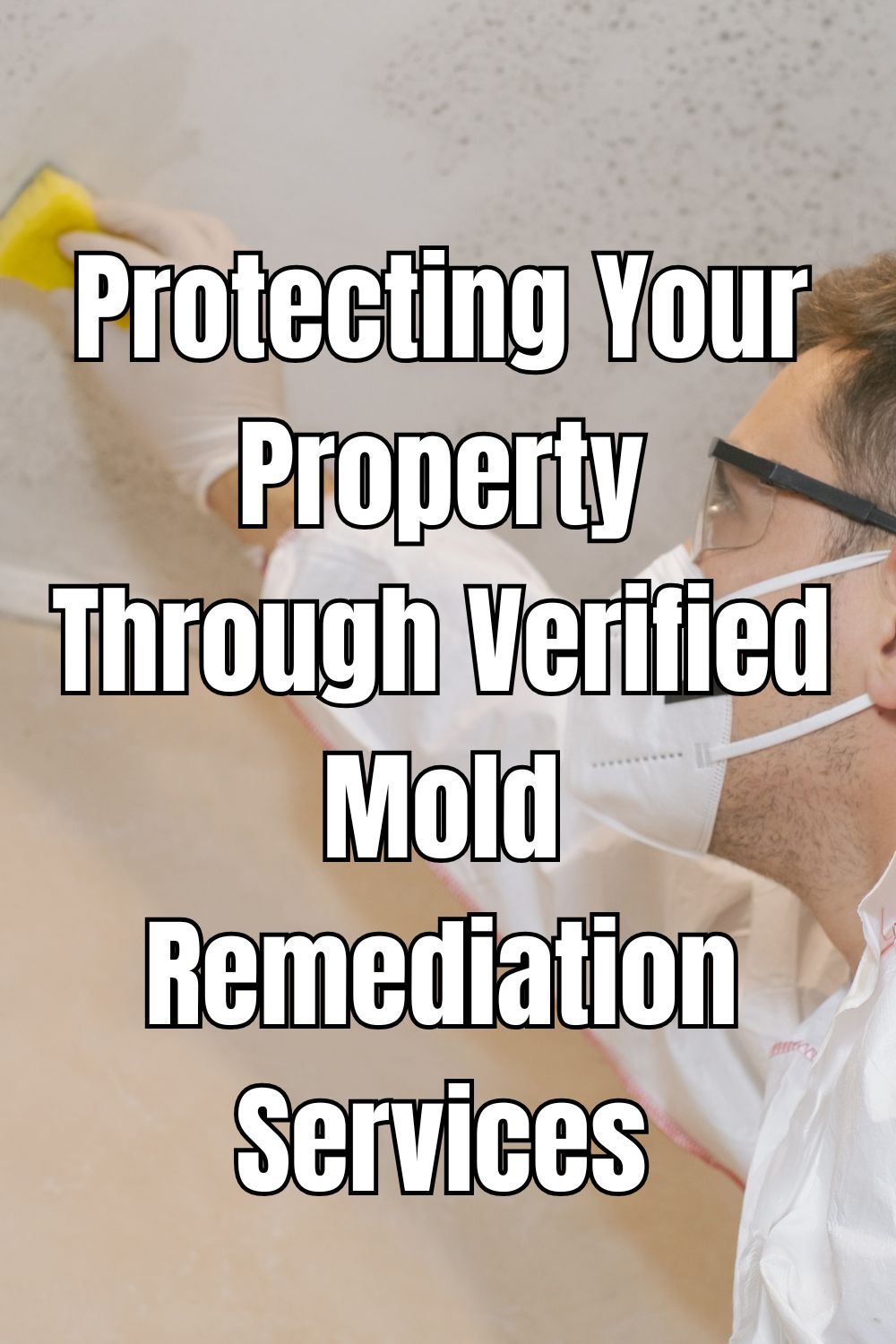
Protecting Your Property Through Verified Mold Remediation Services
Property protection requires a sharp eye for structural changes. Water intrusion can quickly turn a secure building into a problematic space. When dealing with indoor growth issues, property owners must act with clear facts.
Clear protocols guide successful building restoration projects. Selecting the right team protects long-term real estate value. Taking early action minimizes repair bills. Maintaining a safe indoor climate protects both human comfort and building stability.
Understanding Hidden Property Water Damage
Unseen water leaks cause silent harm behind drywall and underneath flooring materials. Hidden pipe failures or roof leaks often escape notice until structural stains appear. Catching these problems early saves money and preserves structural integrity.
Building owners should look for small signs of discoloration on ceilings. Left unchecked, property conditions degrade fast. Wood framing loses strength when dampness stays trapped in dark spaces. Professional inspection teams track these water pathways using advanced thermal tools.
They map out the spread of damp conditions without cutting into walls immediately. Replacing porous items quickly prevents structural loss as teams inspect every layer of insulation for hidden trapped water.
Finding The Right Experts Near Home
Property owners often face unexpected structural challenges. Finding a reliable team depends on your location, whether you need mold remediation pros in Ladson, Goose Creek, or somewhere else local to you to handle the cleanup properly. Local experts understand regional climate issues better than distant companies.
Choosing regional specialists guarantees a faster response window. Quick mobilization prevents minor leaks from escalating into building-wide problems. Nearby technicians provide consistent oversight throughout the restoration period.
They understand local building codes and municipal permit requirements. Working with neighborhood professionals offers peace of mind during stressful cleanups. Having a local business phone number handy speeds up help during regional storm events.
Navigating The Legal Rules For Inspection And Cleanup
State guidelines establish strict boundaries to keep consumer protection high. A South Carolina legislative document clarifies that conflict of interest must be avoided during property evaluations. A certified inspector cannot execute cleanup work on a property they evaluated within the past 12 months.
This rule protects consumers from dishonest damage assessments. This separation guarantees that assessment companies do not create fake problems to win repair contracts.
Independent oversight protects property owners from biased reports. Choosing companies that respect these ethical boundaries keeps your project transparent. Certified teams follow state laws strictly to maintain their operating credentials.
Clear Benchmarks For Safe Indoor Spaces
Defining clean air can surprise many building managers. Official public health sheets state that no specific health-based legal limits exist for indoor growth concentrations. Testing numbers only offer a comparison point against outdoor air samples.
Property owners must look at physical building dryness rather than focusing on magic testing metrics.
Since exact legal numbers do not exist, remediation relies on thorough structural drying. Technicians focus on removing affected drywall instead of chasing arbitrary air test results.
Clean properties require physical cleanliness rather than meeting a standard threshold. Professional teams use containment zones to isolate dust particles from unaffected rooms. Air scrubbing machines help clear out floating debris as the drying equipment operates.
Managing Water Levels Effectively
Controlling indoor environment settings stops structural decay before it starts. University extension research indicates that federal guidance favors keeping indoor dampness low. The target ranges require specific environmental control targets:
- Keeping relative humidity measurements below 60 percent
- Maintaining ideal interior conditions between 30 and 50 percent
- Using dehumidifiers to extract water vapor from crawlspaces
Achieving these numbers requires proper air movement. Property managers use specialized cooling setups to prevent heavy condensation on window panes. Regular tracking keeps interior spaces dry during humid summer months.
Proper ventilation in bathrooms protects structural materials from daily steam buildup. Monitoring these percentages significantly reduces the risk of structural wood rot.
Documenting The Remediation Process Safely
Clear records keep insurance claims running smoothly. Every step needs detailed photographic proof before insurance payouts can proceed.
Using frameworks found in templates helps structure final clearance reports. Property owners receive transparent documentation detailing every step of the drying phase.
Clean records protect future real estate transactions when selling the building. Buyers appreciate seeing verified historical repair documents. Insurance adjusters process claims much faster when provided with structured restoration timelines.
Protecting a building requires vigilant maintenance and certified professional assistance. Separating the inspection process from the actual cleanup creates a reliable path to recovery. Following official water recommendations keeps indoor spaces stable.
When property owners prioritize clear evidence and legal standards, buildings remain secure for years to come. Routine checks prevent sudden structural failures. Investing in accurate restoration methods prevents small leaks from creating lasting structural problems.
Leave A Reply!