Explore what to know about dental implant options for missing teeth and their impact on oral health and jawbone density.
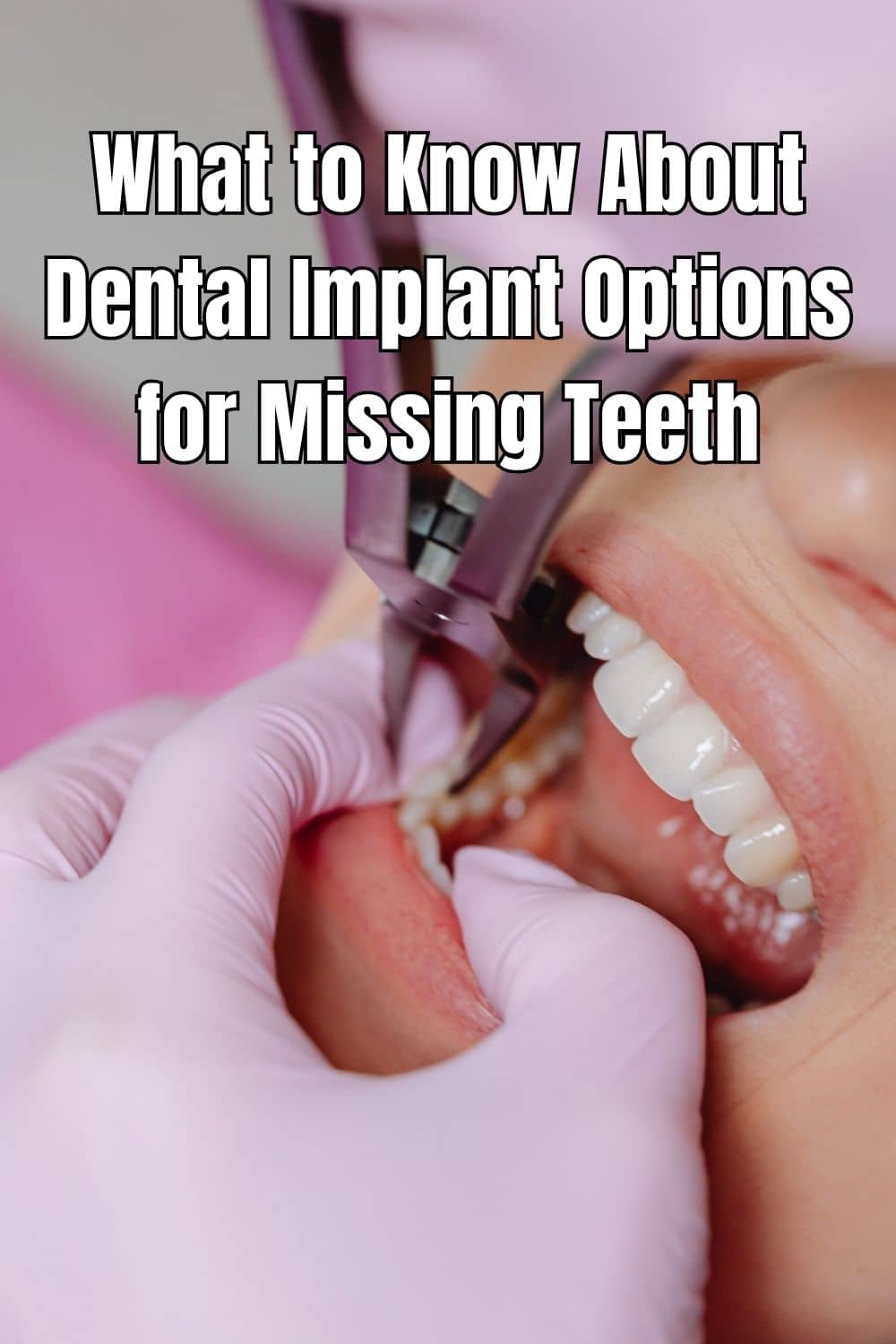
What to Know About Dental Implant Options for Missing Teeth
When a 45-year-old professional loses a molar to decay, they face a decision that extends far beyond cosmetics — one that will influence their jawbone density, bite alignment, and neighboring teeth for decades to come. According to the American Dental Association’s 2023 oral health surveillance data, adults lose an average of 12 teeth by age 50, yet many delay replacement thinking it’s purely aesthetic. What they don’t realize is that missing teeth trigger a cascade of structural changes that begin within weeks of tooth loss.
Today’s dental prosthetics market offers more sophisticated solutions than ever before, from traditional removable dentures to computer-guided implant placement and same-day tooth replacement. As digital dentistry transforms treatment planning and 3D printing makes custom prosthetics more accessible, patients exploring dental services in Wicker Park have access to a range of advanced treatment options tailored to their needs. The challenge lies not in the lack of options, but in understanding which approach fits your specific situation — and recognizing that the decision to replace missing teeth isn’t optional if you want to maintain long-term oral health.
Why Replacing Missing Teeth Matters Today
The moment a tooth is extracted or lost, your jawbone begins to remodel itself around the empty socket. Without the constant pressure of chewing forces transmitted through tooth roots, the bone tissue starts to resorb — shrinking both in height and width. This process accelerates during the first year after tooth loss, with patients experiencing up to 25% of bone width reduction in just the first 12 months.
But the consequences extend well beyond the extraction site. Adjacent teeth begin shifting toward the gap, creating spacing issues and bite misalignment that can take years to fully manifest. The tooth above or below the missing one starts to “super-erupt,” growing longer as it seeks contact with something to bite against. Meanwhile, the opposing jaw muscles adapt to the new chewing pattern, often leading to TMJ dysfunction and chronic jaw pain.
The psychological impact proves equally significant for many patients. Adults with visible tooth loss report decreased confidence in professional and social settings, often covering their mouths when speaking or avoiding foods they once enjoyed. Research consistently shows that people with missing front teeth are perceived as less competent and trustworthy in professional environments — a reality that affects career prospects and social interactions in measurable ways.
Perhaps most concerning is how missing teeth accelerate the loss of adjacent teeth. When bite forces redistribute unevenly across remaining teeth, those teeth experience increased stress and wear. The altered chewing mechanics also affect digestion, as patients unconsciously avoid harder foods that require thorough mastication, potentially leading to nutritional deficiencies over time.
How Dental Implants and Other Prosthetics Work
Dental implants function as artificial tooth roots, typically made from biocompatible titanium that fuses directly with jawbone through a process called osseointegration. Once a surgeon places the implant into the prepared socket, bone cells grow around and into the implant’s textured surface over 3-6 months. This biological integration creates a foundation strong enough to support the forces of normal chewing — often exceeding the strength of natural tooth roots.
The implant itself is just the foundation. A small connector piece called an abutment attaches to the implant, and finally a custom crown, bridge, or denture connects to the abutment. This modular approach allows for easy maintenance and replacement of the visible portions while preserving the bone-integrated implant for decades.
Fixed bridges take a different approach, using adjacent healthy teeth as anchors. The dentist removes enamel from neighboring teeth to create space for crowns that will support the replacement tooth (pontic) suspended between them. Modern bridges use high-strength ceramics or zirconia that can withstand normal chewing forces while matching the color and translucency of natural teeth. While this preserves jawbone better than leaving a gap untreated, it doesn’t provide the bone stimulation that implants offer.
Removable partial and complete dentures replace multiple missing teeth using acrylic resin bases that rest on the gums, with clasps or suction providing retention. Contemporary dentures incorporate flexible materials and precision-cast frameworks that offer better fit and comfort than traditional options. However, they still rely on soft tissue support rather than bone integration, which means they cannot fully restore normal chewing function.
Implant-supported prosthetics combine the stability of implants with the convenience of dentures. Strategic implant placement — often just 4-6 implants for a full arch — can support fixed bridges or removable dentures with dramatically improved retention and chewing efficiency compared to conventional dentures.
What Factors Affect Tooth Replacement Success
Biological and Lifestyle Influences
The foundation for any successful tooth replacement begins with healthy gums and adequate bone structure. Patients with active periodontal disease must achieve gum health before implant placement, as bacteria can prevent proper osseointegration and lead to implant failure. Similarly, uncontrolled diabetes impairs healing and increases infection risk, making blood sugar management essential before any prosthetic treatment.
Smoking presents one of the most significant risk factors for implant failure, reducing success rates by 15-20% compared to non-smokers. Nicotine constricts blood vessels and impairs the bone formation process, while the heat and chemicals in cigarette smoke create an inflammatory environment around healing tissues. Even patients who quit smoking show improved outcomes when they stop at least two weeks before surgery.
Daily oral hygiene habits directly influence long-term prosthetic success. Implants, while immune to decay, remain vulnerable to peri-implantitis — a bacterial infection that can destroy the supporting bone structure. Patients must commit to meticulous cleaning around abutments and prosthetic components, often requiring specialized brushes and irrigation devices that go beyond standard brushing and flossing routines.
Surgical Techniques and Technology
Modern implant placement relies heavily on 3D imaging and computer-guided surgery to optimize positioning and avoid anatomical structures like nerves and sinuses. CBCT scans provide detailed views of bone density and quantity, allowing surgeons to determine whether bone grafting procedures are necessary before implant placement.
When patients lack sufficient bone volume, procedures like sinus lifts and ridge augmentation can create the foundation needed for successful implants. Sinus lifts involve gently elevating the membrane that lines the upper jaw’s sinus cavity, then filling the space with bone graft material. This technique has transformed treatment options for patients who previously would have been told they weren’t candidates for implants.
Digital workflows now enable same-day tooth replacement in carefully selected cases. Surgeons can extract a failing tooth, place an implant, and attach a temporary crown in a single appointment using computer-guided protocols. While the temporary crown requires a period of careful eating and healing, this approach eliminates the months of being without a tooth that traditional protocols required.
Recent advances in implant surface treatments and designs have improved osseointegration rates and reduced healing times. Hydrophilic surfaces and micro-textured titanium promote faster bone formation, while tapered implant designs distribute forces more naturally and allow for placement in compromised bone sites that weren’t previously viable.
How to Choose and Care for Tooth Replacement Options
The decision between implants, bridges, and dentures depends on several practical factors beyond clinical suitability. Single tooth replacement typically favors implants when adequate bone exists and neighboring teeth are healthy, since bridges require modifying adjacent healthy teeth. However, when neighboring teeth already need crowns due to large fillings or previous damage, a bridge might address multiple problems simultaneously.
Multiple missing teeth scenarios often benefit from implant-supported solutions, but the number and position of missing teeth influence the approach. Strategic implant placement can support fixed bridges spanning several teeth, while areas with extensive tooth loss might be better served by removable prosthetics that distribute chewing forces across larger surface areas.
Budget considerations play a legitimate role in treatment planning. While implants offer superior long-term outcomes, the upfront investment can be substantial. However, calculating lifetime costs often favors implants since properly maintained implants can last decades, while bridges typically require replacement every 10-15 years, and dentures need regular adjustments and periodic replacement.
For patients seeking quality dental services in Wicker Park, choosing a provider who offers comprehensive prosthetic options allows for treatment planning that prioritizes your specific needs rather than pushing toward any single solution. The best outcomes occur when treatment plans address both immediate function and long-term oral health stability.
Daily maintenance requirements vary significantly between prosthetic types. Implant-supported crowns and bridges require cleaning similar to natural teeth, with special attention to the gum line where bacteria can accumulate. Water flossers and antimicrobial rinses often become essential tools for patients with multiple implants or complex prosthetic configurations.
Removable prosthetics demand different care protocols, including daily cleaning of both the prosthetic and underlying tissues, proper storage in cleaning solutions, and regular professional adjustments as the supporting tissues change over time. Patients must also learn to recognize signs of ill-fitting prosthetics, such as sore spots or changes in speech patterns, that indicate the need for professional evaluation.
Prevention strategies for protecting remaining natural teeth become crucial after any tooth replacement. This includes addressing the underlying causes of the original tooth loss — whether decay, periodontal disease, or trauma — to prevent future problems. Night guards may be necessary for patients who grind their teeth, as excessive forces can damage both natural teeth and prosthetic components.
Common Myths and Research Insights About Tooth Replacement
One persistent misconception suggests that dental implants are painful and require extensive recovery periods. Current research shows that most patients report less discomfort than they experienced with the tooth extraction, and many return to normal activities within 2-3 days. Advanced surgical techniques and improved pain management protocols have transformed the patient experience compared to procedures from even a decade ago.
Another widespread myth claims that age disqualifies patients from implant treatment. Studies consistently demonstrate successful outcomes in healthy patients well into their 80s and beyond. The determining factors are overall health status and bone quality, not chronological age. In fact, older adults often benefit most from implants since they restore chewing function that becomes increasingly important for proper nutrition as we age.
The belief that “cheaper is better” when it comes to tooth replacement ignores the long-term economics of oral health. Research tracking prosthetic outcomes over 20-year periods shows that while high-quality implants and prosthetics require greater initial investment, their superior durability and reduced maintenance needs often make them more cost-effective than repeated repairs and replacements of lower-quality alternatives.
Recent clinical studies are reshaping our understanding of optimal healing protocols. Traditional implant placement required 3-6 months of healing before loading with prosthetic components, but research on immediate loading protocols shows comparable success rates in selected cases. This advancement has made same-day tooth replacement a viable option for more patients, reducing treatment time and improving quality of life during the healing period.
Emerging technologies point toward even more sophisticated solutions in the near future. 3D-printed custom abutments and prosthetic components already allow for more precise fit and better tissue response. Researchers are developing bioactive implant coatings that actively promote bone formation and reduce healing times, while advances in digital scanning eliminate the need for uncomfortable impression materials in many cases.
The evidence consistently supports early intervention when teeth are lost or extracted. Waiting months or years to replace missing teeth doesn’t just affect comfort and confidence — it makes eventual treatment more complex and expensive as bone remodeling progresses and adjacent teeth shift position. For anyone facing tooth loss, the question isn’t whether replacement is necessary, but which option will provide the most predictable long-term outcome for their specific situation.
Leave A Reply!