Learn how to maximize space in small bathrooms at home with practical tips for organization and layout improvements.
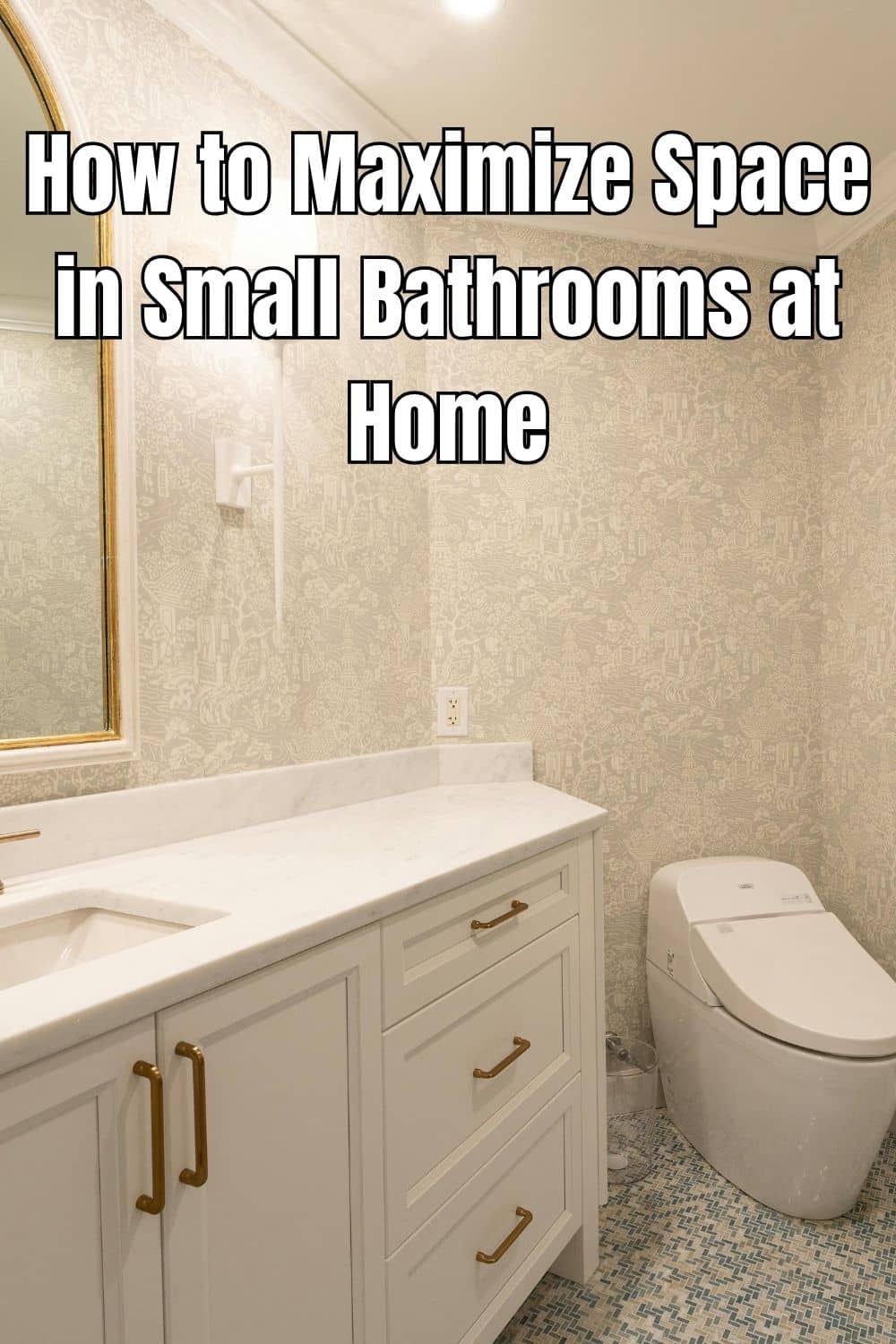
How to Maximize Space in Small Bathrooms at Home
Many homeowners experience what can be described as bathroom claustrophobia, where a small, crowded space makes everyday routines feel more stressful than they should. When storage is limited and movement feels restricted, even simple tasks like getting ready in the morning can become frustrating. A cramped bathroom doesn’t just affect functionality; it can also impact how the entire home feels and flows. Making the most of every square foot becomes essential when space is limited.
Creating a more open and organized bathroom is not just about aesthetics. It involves thoughtful planning and practical decisions that improve both usability and comfort. While simple organizational changes can make a noticeable difference, there are situations where a more comprehensive approach becomes necessary.
Why Small Bathroom Design Matters More Than You Think
The way a bathroom is designed has a direct impact on how it feels and functions. A cluttered layout can quickly lead to visual overwhelm, making the space feel even smaller than it actually is. On the other hand, an organized and thoughtfully arranged bathroom can create a sense of calm and efficiency. When items are easy to access, and surfaces remain clear, daily routines become smoother and less stressful.
While small organizational fixes can help in the short term, they often fail to address deeper layout challenges, such as poor fixture placement or a lack of built-in storage. When these issues start affecting comfort and usability, it becomes necessary to look beyond surface-level changes. This is where bathroom remodeling plays a key role, as it allows homeowners to rethink the layout and functionality of the space fully. By making structural improvements and optimizing the overall layout, a cramped bathroom can be transformed into a space that feels more open, functions more efficiently, and better supports everyday routines.
Use Vertical Space to Your Advantage
One of the most effective ways to maximize a small bathroom is by using vertical space. Walls offer valuable storage opportunities that are often underused. Installing shelves above the toilet or near the ceiling allows you to store essentials without taking up floor space. This simple adjustment can instantly reduce clutter and create a more open feel.
In addition to shelving, tall and narrow storage units can help you make the most of limited square footage. These designs provide ample storage while maintaining a compact footprint. Hooks, over-the-door racks, and wall-mounted organizers also contribute to a cleaner look by keeping items off countertops. By thinking upward instead of outward, you can significantly improve both storage capacity and visual balance.
Let Glass Do the Heavy Lifting
Visual openness plays a key role in making a bathroom feel larger, and glass can help achieve that effect. Replacing traditional shower curtains with clear glass enclosures removes visual barriers that can make the room feel divided. When the eye can move freely across the space, the bathroom appears more expansive and cohesive.
Glass also works well with lighting and reflective surfaces. Frameless designs, in particular, create a seamless look that enhances brightness and openness. When paired with mirrors, glass surfaces can amplify natural and artificial light, further improving the sense of space. These changes may seem subtle, but they can dramatically transform how a small bathroom looks and feels without requiring major structural adjustments.
Choose Lighting and Colors That Expand the Room
Color and lighting choices can significantly influence how spacious a bathroom feels. Lighter shades such as soft whites, pale grays, and warm neutrals reflect more light and make walls appear farther apart. Keeping the color palette consistent also reduces visual breaks, creating a more open and cohesive look.
Lighting should be layered to eliminate shadows and brighten every corner. Overhead lighting combined with task lighting near mirrors improves both function and appearance. Natural light, when available, should be maximized with minimal window coverings to enhance the sense of openness.
Maximize Floor Visibility with Smart Fixtures
Keeping the floor visible is a simple yet effective way to make a small bathroom feel larger. Floating vanities create the illusion of more space by exposing the floor beneath them. This design choice not only improves visual openness but also makes cleaning easier and more efficient.
Wall-mounted fixtures, including compact toilets and sinks, can further reduce bulk in tight areas. By minimizing heavy, ground-level elements, the room feels less crowded. A clear and open floor layout allows for better movement and creates a more comfortable daily experience.
Build Storage Into the Walls
Recessed storage solutions provide extra space without adding bulk to the room. Installing niches in shower walls or above sinks allows you to store toiletries neatly while keeping surfaces clear. These built-in features blend seamlessly into the design and maintain a streamlined appearance.
Wall cavities can also be used for hidden cabinets or shelving between studs. This approach maximizes storage while preserving valuable square footage. By integrating storage directly into the structure, you can keep essentials organized without sacrificing space or style.
Know When It’s Time for a Bigger Change
There are times when small updates are not enough to solve space limitations. If the layout restricts movement or prevents efficient use of storage, a more comprehensive redesign may be necessary. Recognizing these limitations early can save time and prevent repeated temporary fixes.
Structural adjustments, such as repositioning fixtures or reconfiguring the layout, can dramatically improve functionality. Consulting with professionals can help identify opportunities that may not be obvious. A well-planned redesign ensures that the space meets both current needs and future expectations.
Creating a More Functional and Comfortable Bathroom
Maximizing space in a small bathroom requires a combination of smart design, efficient storage, and thoughtful upgrades. Simple changes, such as improving lighting, using vertical space, and choosing the right fixtures, can make a noticeable difference. Each decision should focus on improving both function and visual openness.
A well-optimized bathroom supports a smoother daily routine and creates a more comfortable environment. When space is used effectively, the room feels less restrictive and more enjoyable to use. With the right approach, even the smallest bathroom can become a practical and inviting part of the home.
Leave A Reply!