Learn how to teach kids the value of money and resources effectively with engaging methods and practical tips.
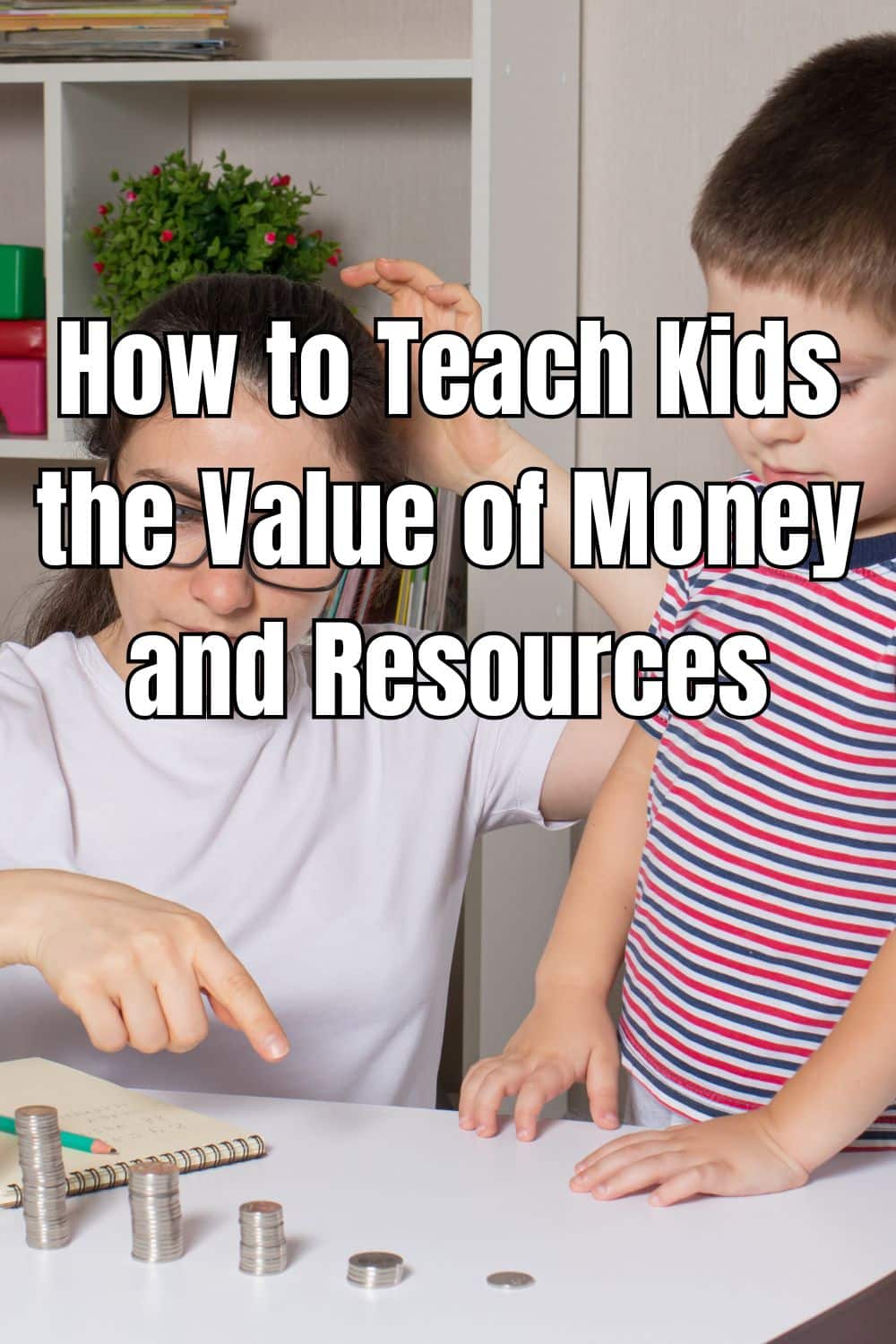
How to Teach Kids the Value of Money and Resources
Understanding What Things Are Worth
One of the first things to learn about value is that price and worth aren’t the same. A cheap plastic toy that breaks right away might not cost much, but it’s worth even less. On the other hand, a tough, well-made item or a handmade gift from a grandparent has huge value that you can’t put a price on.
Talk to your kids about what makes something valuable. Is it what it’s made from? The time and effort someone put into making it? Or the memories tied to it? This chat helps them look past the surface and appreciate the story behind the things they own. It encourages them to take care of their stuff and think twice before wanting the next new thing.
Collecting as a Hobby
Collecting is a great way to teach kids about value, patience, and getting organized. It doesn’t have to be expensive. A child’s first collection could be anything from cool rocks and seashells found on a walk to colorful leaves, stamps, or even postcards from family trips.
When kids search for, organize, and show off their treasures, it gives them a sense of ownership and pride. They learn to sort items, find out where they came from, and appreciate what makes each piece special. This simple hobby helps them pay attention to details and feel good about building something up over time, one special item at a time.
When Collections Have Financial Value
Some hobbies, like coin collecting, can introduce kids to the idea of money’s worth in a fun, hands-on way. Handling old coins teaches them about history, geography, and art. They learn that some coins are rare because of a mistake when they were made or because they’re made of precious metals.
As they get older, they might get curious about how much their collection is worth on the market. Looking into this can be a great first lesson in economics and investing. If they ever decide to sell what they’ve found, they’ll learn that experts,
like reputable gold and silver coin buyers, can help figure out a fair price based on how rare and in good condition the items are. This turns a simple hobby into a real-world lesson about how value is decided.
Creative Reuse and Upcycling Projects
Being resourceful means putting value into action. Teaching kids to see potential in things we might otherwise throw away is a powerful skill. Before you toss that cardboard box, plastic jug, or old t-shirt, ask your child, “What could we make with this?” Their answers might surprise you. That box could become a castle, a robot costume, or a dollhouse.
Doing upcycling art activities is a fantastic way to spend a rainy afternoon. It sparks creativity and shows children that they can create something new and useful from very little. By reusing materials creatively, you also teach them to really respect the environment and to think about saving resources. They learn that we don’t have an endless supply of things, and that making the most of what we have is both smart and responsible.
Lessons in Financial Literacy
All these lessons, like understanding worth, building collections, and being resourceful, are the basic steps toward understanding money. A child who knows that value is more than just the price tag will be better at making smart buying choices later in life. A child who learns to be resourceful will be more likely to save money by fixing something instead of buying a new one.
You can strengthen these ideas with practical tools like an allowance or a piggy bank with three sections for saving, spending, and sharing. These simple habits directly link their understanding of value to how money works, preparing them to be financially responsible adults.
Teaching kids about value isn’t so much about formal lessons as it is about everyday talks and activities. By helping them appreciate what they have and encouraging their creativity to make the most of it, you’re giving them tools that will make their whole lives richer.
Leave A Reply!