Explore body contouring after pregnancy to understand transformative options for postpartum changes and regain confidence.
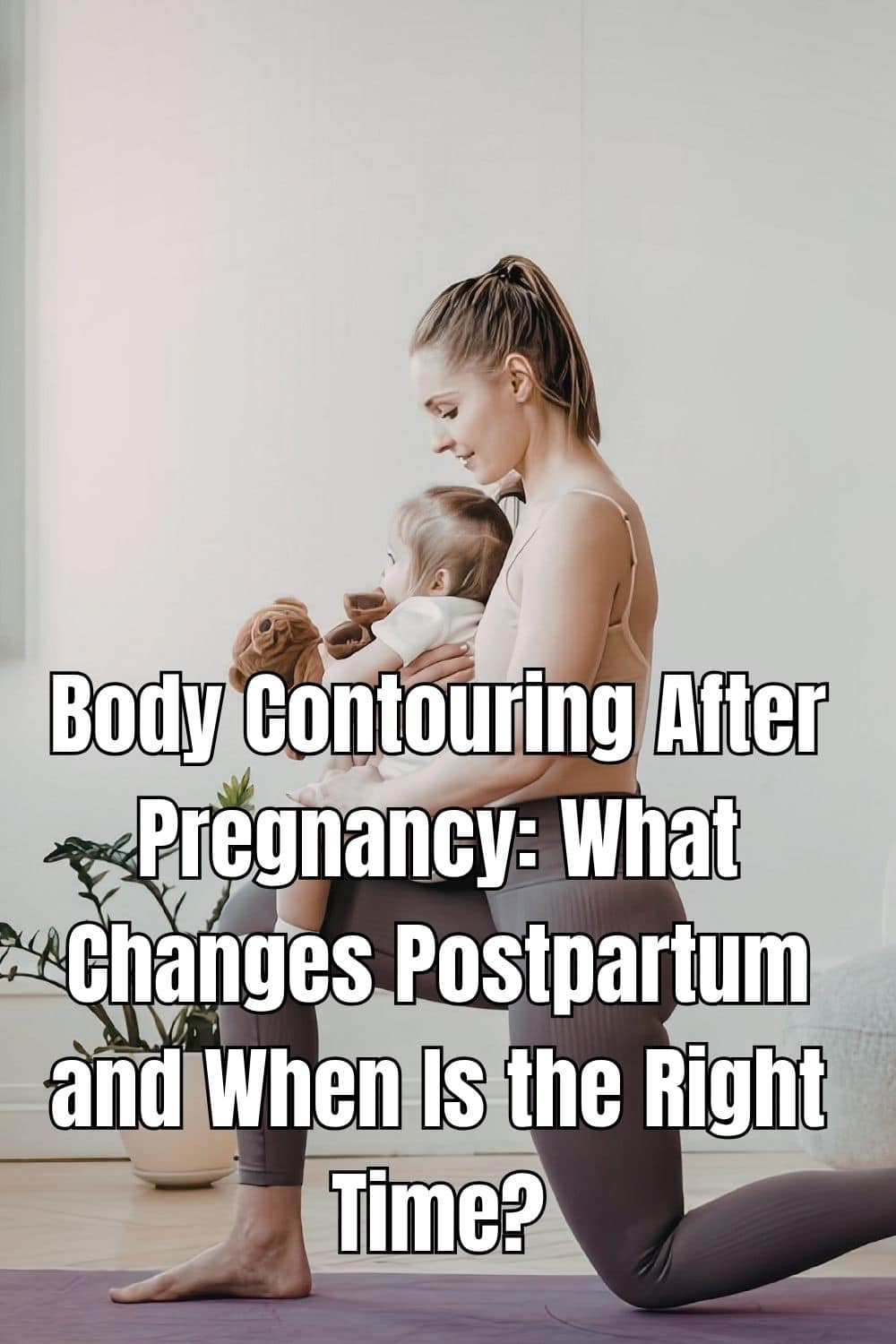
Body Contouring After Pregnancy: What Changes Postpartum and When Is the Right Time?
Pregnancy is one of the most physically transformative experiences a body goes through. And while that transformation is remarkable in every sense, the postpartum reality for many women is a body that looks and feels fundamentally different from the one they had before — not just temporarily, but in ways that diet and exercise don’t fully address. In Houston, where the culture around health, fitness, and personal confidence runs deep, this conversation comes up often and honestly. Women want to know what actually changed, why it happened, and what realistic options exist when the body doesn’t bounce back the way they expected.
Body contouring after pregnancy isn’t a single procedure — it’s a category of approaches that address specific structural changes. Understanding what those changes are, and when the body is actually ready to address them, is where the real conversation starts.
1. What Pregnancy Does to the Body That Exercise Can’t Undo
This is the part that surprises a lot of women, particularly those who were fit before pregnancy and expected to return to their previous shape with consistent effort. The truth is that certain postpartum changes are structural, not just a matter of fitness level. The abdominal muscles, specifically the rectus abdominis, often separate during pregnancy in a condition called diastasis recti. The skin can stretch beyond its elastic capacity, leaving behind laxity that core exercises alone cannot fully address. Fat distribution may also shift, with deposits settling in areas like the flanks, lower abdomen, and thighs that respond differently than before. For those researching options such as body contouring in Houston, it often becomes clear that these changes are well understood and not simply a result of inconsistent effort.
In many cases, consultations help clarify which concerns are structural and which may still improve with lifestyle adjustments. Practices like Arroyo Plastic Surgery are often part of these discussions, as they routinely explain the difference between changes that can respond to exercise and those that may require more targeted approaches. This kind of guidance helps patients set realistic expectations and better understand the range of options available after pregnancy.
2. The Timing Question — Why Waiting Is Actually the Strategy
Most plastic surgeons align on one consistent recommendation: don’t rush. The postpartum body continues changing for longer than most people realize — hormones fluctuate, breastfeeding affects tissue composition, and weight tends to shift for months after delivery. Operating before that process stabilizes means working on a moving target.
The general guidance across most surgical practices is to wait a minimum of six months after stopping breastfeeding before pursuing any elective body contouring procedure. For some women, waiting a full year produces better results because the tissue has fully settled. The postpartum body undergoes significant hormonal and physical changes well beyond the initial weeks of recovery — a timeline that directly informs why most surgeons build a waiting period into their recommendations before any elective procedure. A few specific factors that influence timing:
- Whether you’re still breastfeeding or recently stopped
- Whether your weight has reached a stable baseline — not necessarily pre-pregnancy weight, but a consistent number
- Whether you’re planning future pregnancies, which would significantly affect any surgical results
- The presence of diastasis recti, which needs to be assessed before any abdominal procedure
Patience here isn’t just conservative advice. It’s what separates good outcomes from those that need revision.
3. Diastasis Recti — the Postpartum Change Most Often Missed
Diastasis recti deserves specific attention because it’s both extremely common and frequently misunderstood. Studies suggest it affects a significant majority of women in the third trimester, and for many, the separation doesn’t fully close after delivery. The result is a visible abdominal bulge — sometimes described as a “mommy pooch” — that persists despite core strengthening efforts.
Diastasis recti affects approximately 39% of women at six months postpartum, with a meaningful percentage experiencing persistent separation beyond that point. Exercise can help in mild cases, but moderate-to-severe separation typically requires surgical repair — a procedure called abdominoplasty or tummy tuck, which directly addresses the muscle wall and excess skin. Understanding whether diastasis is present and how significant it is fundamentally shapes the body contouring conversation for postpartum patients.
4. What Body Contouring After Pregnancy Actually Involves
The term “body contouring” covers a range of procedures, and the right combination depends entirely on individual anatomy and concerns. For postpartum patients specifically, the most commonly addressed areas include:
- Abdomen: Tummy tuck (abdominoplasty) to repair muscle separation and remove excess skin; liposuction for residual fat deposits that haven’t responded to weight loss
- Breasts: Volume loss and sagging after breastfeeding often lead women to consider augmentation, a lift, or both
- Flanks and thighs: Stubborn fat pockets that shifted during pregnancy and haven’t redistributed
- Overall skin laxity: Particularly for women who experienced significant weight gain during pregnancy
Some women pursue a combination of these procedures in what’s commonly referred to as a “mommy makeover” — not because it’s a trend, but because addressing multiple areas in a single surgical session reduces overall recovery time compared to staging procedures separately.
5. Recovery Looks Different When You Have Young Children at Home
The clinical recovery timeline for most body contouring procedures — typically two to six weeks depending on scope — assumes a certain degree of rest and limited physical activity. That assumption collides pretty directly with the reality of caring for an infant or toddler.
Planning recovery logistics isn’t an afterthought. It’s part of the surgical preparation. Most surgeons will ask directly about your home situation before scheduling, because a patient who can’t rest properly doesn’t heal as predictably as one who can. Practical considerations worth thinking through in advance:
- Having a dedicated support person available for at least the first two weeks
- Arranging childcare coverage for the most physically demanding parts of recovery
- Understanding lifting restrictions — most procedures prohibit lifting anything over ten pounds for several weeks
- Planning around school schedules or childcare arrangements if older children are in the picture
Women who approach recovery planning with the same seriousness they bring to the surgical decision itself tend to have smoother outcomes. It’s less about having a perfect setup and more about not being caught unprepared.
Closing Thoughts
The postpartum body carries real evidence of what it’s been through — and for many women, that’s not something exercise and time fully resolve. Body contouring after pregnancy isn’t about erasing motherhood. It’s about addressing specific physical changes that have a clinical basis and that genuinely affect how someone feels in their own skin. The right time, the right procedure, and the right expectations are what turn that decision into a lasting outcome rather than a temporary fix. Getting there starts with an honest conversation — with yourself first, and then with a surgeon who takes the full picture seriously.
Leave A Reply!