Discover the hidden signs of leak damage that may be lurking in your home. Stay ahead and keep your family safe from leaks.
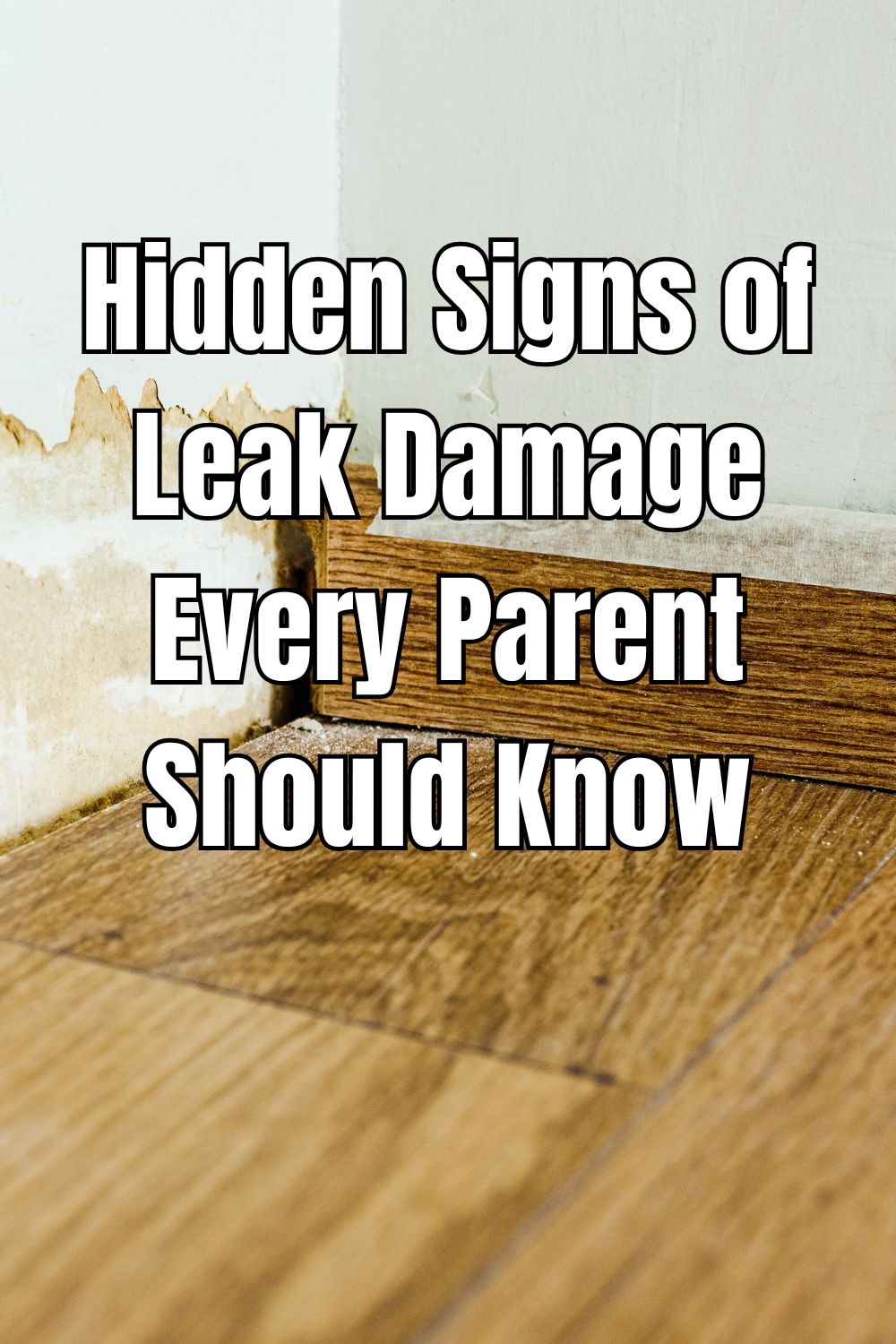
Hidden Signs of Leak Damage Every Parent Should Know
Keeping a family safe often involves looking at things that are not easy to see. Water damage can hide in your walls or attic for months before you notice a single drop of water on the floor. These small issues can lead to big problems for your home and your children if they are left alone. Understanding what to look for can help you catch leaks before they cause serious harm.
Strange Water Marks on Your Ceiling
You might notice a small spot on your ceiling that looks slightly darker than the rest. These marks often appear as yellowish or brown circles that seem to grow very slowly over time. A home advice site explains that water stains often appear as yellowish-brown marks or darker spots. These spots are a sign that water is collecting somewhere above the drywall and soaking through the material.
If the spot feels soft or looks like it is sagging, the leak has likely been there for a while. It is a good idea to look into Dean Roofs roof repair experts and other professionals to find the source of the water. Getting an expert to check your attic can prevent the ceiling from collapsing or developing a much larger hole.
The Smell of Mildew and Dampness
Your nose can sometimes find a leak before your eyes can see any damage. A damp or musty smell in a specific room is a major red flag for hidden moisture. One restoration company suggests that these smells are caused by a build-up of microbial volatile organic compounds and smell like wet paper or cardboard. If a room smells like an old basement, there is likely water trapped behind a wall or under the floorboards.
Parents should pay close attention to these odors in playrooms or bedrooms. Moisture creates the perfect environment for mold to grow, which can happen in as little as 24 to 48 hours. If you smell something off, check behind furniture and inside closets where air does not move as much.
High Humidity and Mold Growth
Indoor air quality is very important for kids who have allergies or asthma. When a home has a hidden leak, the humidity levels inside can rise quite high. Experts from a leading children’s hospital recommend keeping indoor humidity between 30 and 50 percent to stay healthy. High humidity makes it easier for mold to spread throughout the house.
Checking for Mold Spores
- Look for small black or green dots on baseboards.
- Check the corners of the ceiling for fuzzy patches.
- Watch for peeling wallpaper or bubbling paint on the walls.
Unexplained Changes in Water Bills
Sometimes the only sign of a leak is a change in your monthly expenses. If your water bill goes up but your family has not changed its habits, you might have a hidden pipe leak. A government report found that around 19% of water entering the distribution is lost to leakage before it even reaches properties. While that happens in the main lines, similar small leaks can happen inside your own plumbing system.
A tiny pinhole leak in a pipe can waste hundreds of gallons of water every month. You can check this by looking at your water meter when no one is using any water. If the meter is still moving, you definitely leak somewhere in the house.
Sound of Dripping or Running Water
The house should be quiet when all the faucets are turned off, and the appliances are not running. If you hear a faint ticking or dripping sound behind a wall, it is a cause for concern. A plumbing blog mentions that even a slow drip behind a wall can add up over time. These sounds are often easiest to hear late at night when the rest of the neighborhood is still.
Listen closely near bathrooms and kitchens, where most of the pipes are located. If the sound gets louder when you stand in a certain spot, the leak is likely right behind that section of drywall. This water can rot the wooden studs of your home and weaken the entire structure.
Health Risks for Young Children
The most important reason to find leaks is to protect the health of your kids. Damp homes are dangerous because they can lead to severe breathing issues. A government publication reported that in 2020, a 2-year-old child died from a severe respiratory infection caused by prolonged exposure to damp and mold. This shows that hidden water damage is more than just a house repair issue.
Managing Moisture Safely
- Use exhaust fans in bathrooms during and after showers.
- Repair leaky faucets and toilets immediately.
- Use a dehumidifier in areas that feel damp or cool.
Taking care of your home is a big part of taking care of your family. You do not have to be a construction expert to keep an eye out for these hidden signs. Checking your walls for stains and listening for strange sounds can save you thousands of dollars. More importantly, keeping your home dry keeps the air clean for your children to breathe every day. If you find a sign of damage, acting quickly is the best way to keep everyone safe and sound.
Leave A Reply!