Will you be getting a mobile massage for the first time? Find out What Should You Expect During Your First Mobile Massage Appointment?
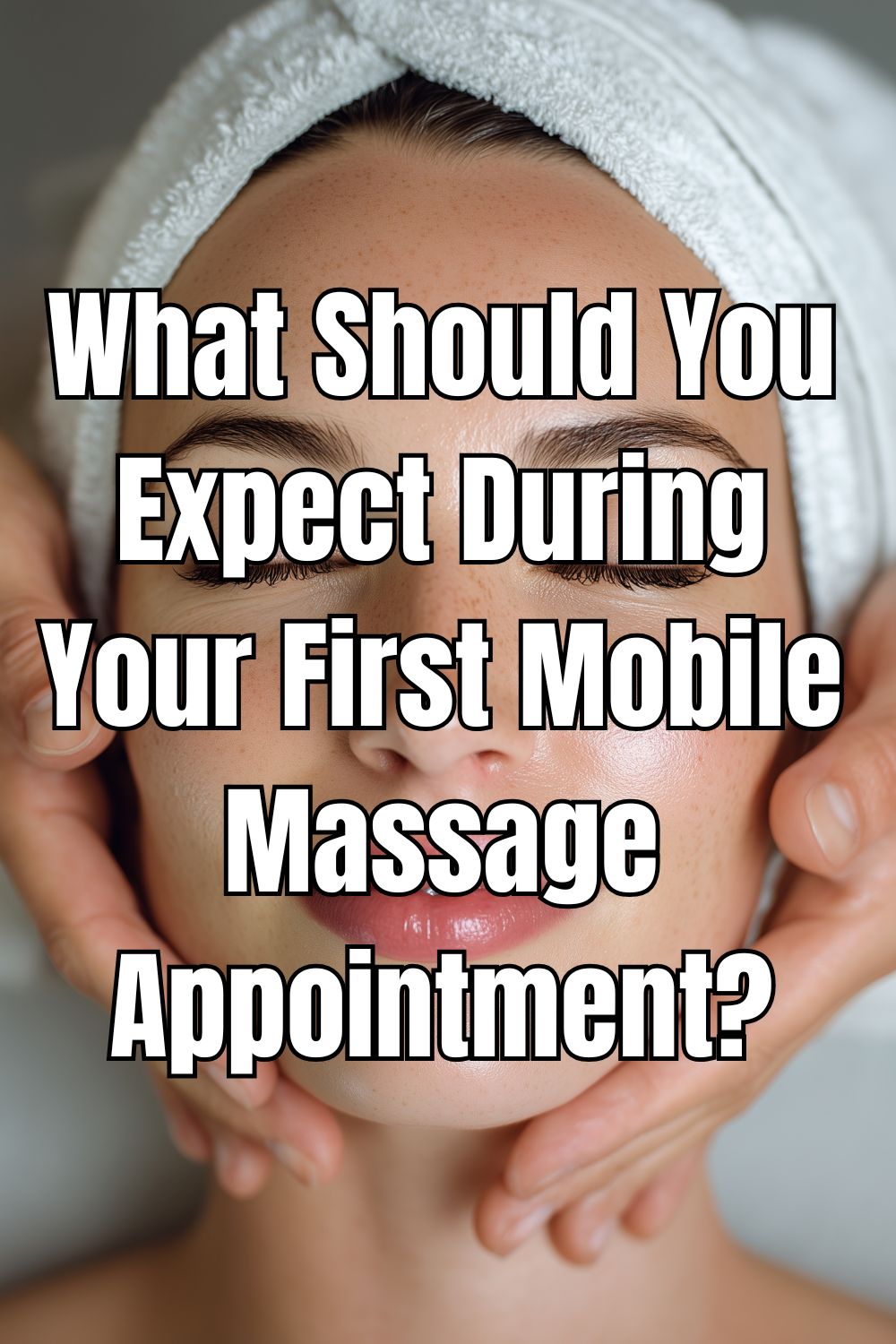
What Should You Expect During Your First Mobile Massage Appointment?
Booking a mobile massage for the first time comes with a few natural questions. What do you need to have ready? How does the therapist set up? What’s different about having a treatment at home compared to walking into a spa? These are all completely reasonable things to wonder about, and the answers are simpler than most people expect. Whether you’re in Manchester or anywhere else, the appeal of having a qualified therapist come to you — rather than the other way around — is easy to understand. No commute, no waiting room, no post-massage drive home. Just a treatment in your own space, on your own schedule.
1. Booking Is Simpler Than You’d Think
Booking a mobile massage is usually far more straightforward than people expect. Most platforms now let you arrange everything online in just a few minutes, choosing the treatment type, preferred appointment time, and location without the back-and-forth that often comes with traditional bookings. If you’re specifically searching for mobile massage Manchester, many services also include therapist profiles, qualifications, and client reviews so you can get a better sense of who you’re booking before confirming an appointment. In many cases, the process ends up taking less time than travelling across the city to a spa.
Platforms like I Love Massage reflect how the industry has shifted toward more flexible, at-home wellness services by connecting clients with insured, professionally trained therapists across different parts of the UK.
2. You Don’t Need Much Space
One of the most common concerns first-timers have is whether their home is big enough. The honest answer is that you need very little room. A therapist carrying a fold-out massage table needs roughly a two-metre by two-metre clear area to set up and work comfortably — that’s less than most living rooms, bedrooms, or even a cleared dining room. A bedroom is usually the natural choice because it’s quieter, but the specific room matters far less than simply having a flat surface nearby for oils and towels. Your therapist has done this in small flats and large houses alike and will quickly figure out the best layout for your space.
3. The Therapist Brings Everything
You don’t need to own a single piece of massage equipment or prepare anything beyond having your space available. A professional mobile therapist arrives with everything required for the treatment. This typically includes:
- A portable, padded massage table that sets up and folds away in minutes
- Fresh, clean linens and towels for each appointment
- Professional-grade massage oils suited to the treatment type
- Any additional equipment specific to the treatment, such as hot stones or cups
4. The Health Benefits Are Well Documented
If you’ve been on the fence about whether massage is worth the investment, the evidence base is reasonably strong. According to the NHS, physical activity and bodywork — including massage — are recognised approaches for managing stress, anxiety, and tension that builds up in the body over time. Research consistently points to massage as effective for reducing muscle soreness, improving sleep quality, and lowering cortisol levels with regular sessions. For people dealing with desk-job posture issues, chronic lower back tension, or general stress from busy schedules, a monthly treatment can make a measurable difference in how the body feels day to day.
5. A Short Consultation Happens First
Before the treatment begins, your therapist will spend a few minutes taking a brief health consultation. This covers any injuries, medical conditions, areas of particular tension, and whether you have any preferences around pressure or areas you’d prefer to avoid. It might feel like a formality, but it genuinely shapes how the therapist approaches your session — a first-timer with lower back pain will receive a different treatment focus than someone who regularly runs marathons and needs work on their legs. Don’t downplay anything during this conversation. The more context your therapist has, the more useful the session will be for your specific needs.
6. Privacy and Draping Are Standard Practice
If you’ve never had a professional massage before, understanding how draping works tends to ease a lot of first-time nerves. You’ll be asked to undress to your comfort level and lie on the table under a sheet or towel. The therapist works one area at a time, keeping the rest of your body covered throughout the session. This is standard practice across professional massage therapy and is no different in a mobile setting than in a spa or clinic. If at any point the pressure is too firm or too light, or you’d like to adjust anything, speaking up mid-treatment is completely fine — good therapists actively want that feedback.
7. How You Feel Afterwards Matters Too
The post-massage experience at home is one of the genuine advantages over a spa visit. Once your therapist packs up and leaves, you’re already exactly where you need to be — no driving, no cold air, no overstimulating environment to navigate. Drink water in the hours following the treatment, rest if you feel like it, and avoid strenuous exercise for the rest of the day if possible. Some people feel deeply relaxed and sleepy; others feel lighter and more energised. Both responses are normal. If you experience any minor soreness in the day or two after a deeper tissue session, that typically passes quickly and is a sign the muscles were genuinely worked on.
Final Thoughts
A first mobile massage appointment is usually far less complicated than people anticipate. The therapist handles the logistics, the setup takes minutes, and the treatment itself happens in the most comfortable environment available — your own home. Once you’ve done it once, the only real question is how often you want to book again.
Leave A Reply!