Explore what natural-looking blepharoplasty results really look like and how they can enhance your appearance subtly.
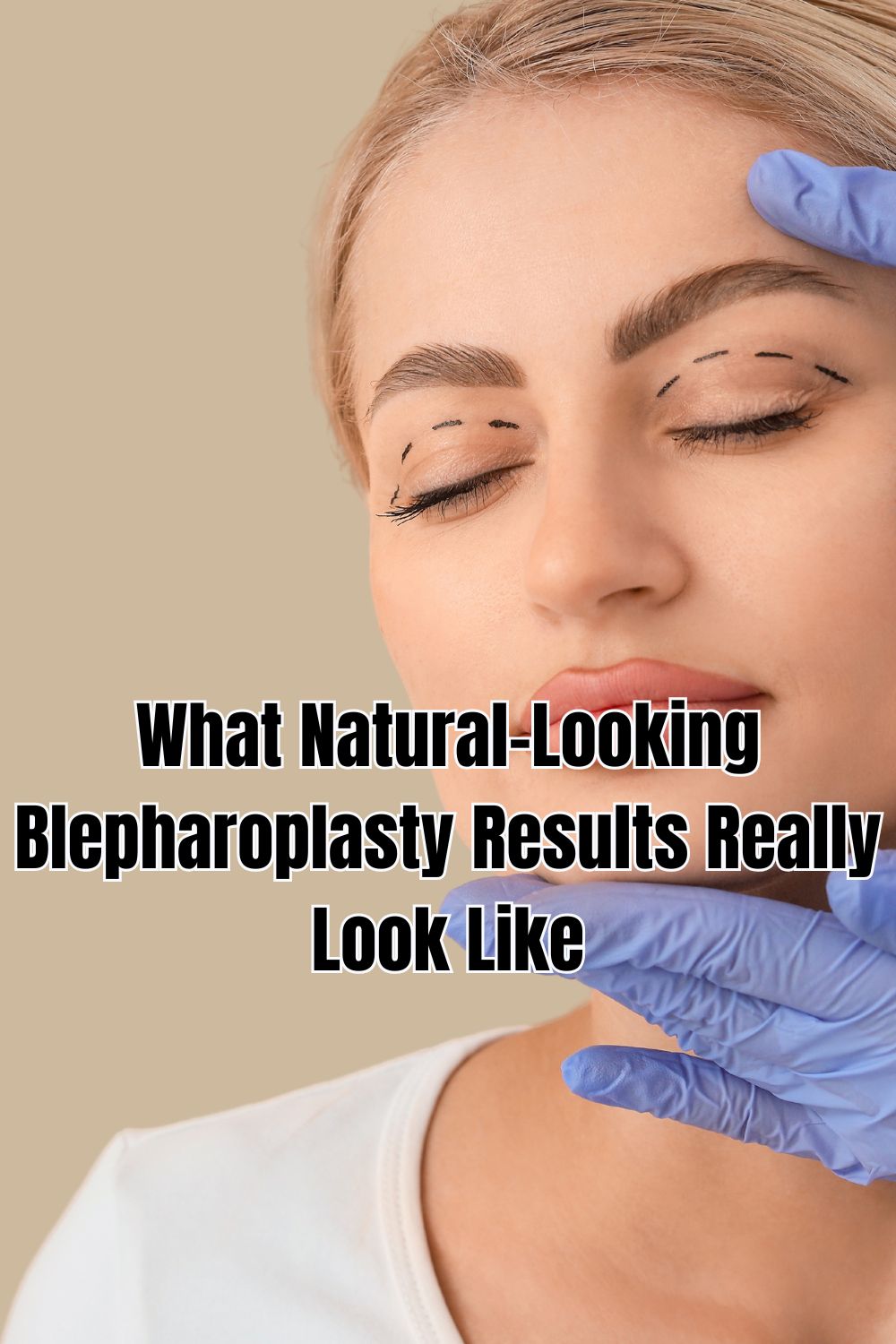
What Natural-Looking Blepharoplasty Results Really Look Like
Is a good eyelid surgery something people notice, or something they don’t question at all? That’s usually where the confusion starts. Most people don’t walk around pointing out well-done procedures—they just register that someone looks more rested, more open, maybe even slightly younger, without being able to explain why.
The eye area carries a lot of weight in how expressions are read, and small changes can shift how the entire face feels. Over time, heaviness in the upper lids or puffiness under the eyes can blur that expression, making you look tired even when you’re not. In a fast-moving place like New York City, where appearance and energy are closely tied, those subtle changes stand out more than expected.
Understanding what “natural-looking” really means in this context isn’t always obvious at first glance. Below are 6 ways to recognize what well-executed blepharoplasty results actually look like.
1. The Eyes Look Rested, Not Different
Looking constantly tired is one of the most common concerns people bring up. This happens because excess skin or puffiness around the eyes can create shadows and a sense of heaviness that changes how expressions are perceived.
That shift in appearance is usually what leads people to start researching options like blepharoplasty in NYC when skincare or non-surgical treatments stop making a visible difference. At that point, the focus moves toward understanding how subtle adjustments can restore a more awake appearance.
To ensure the eyes look refreshed without appearing altered, evaluation approaches at practices like Bass Plastic Surgery focus on how eyelid position, excess skin, and underlying fat distribution interact. That balance is what allows the best results to emerge without altering the face’s appearance.
2. The Eyelid Crease Looks Defined, Not Overdone
An undefined or hidden eyelid crease can make the upper eye area feel heavy. This usually happens when excess skin folds over the natural crease, softening its shape and making the eyes appear smaller. When the crease is restored thoughtfully, it creates definition without drawing attention to itself.
The goal isn’t to create a sharper or higher crease than what naturally fits the face, but to reveal what was already there. That distinction is what keeps the result from looking exaggerated or overly styled. A natural crease tends to blend into the overall expression rather than stand out as a change.
3. Puffiness Is Reduced Without Looking Hollow
Under-eye bags can make the face look more fatigued than it actually is. This occurs because fat pads beneath the eyes can shift or become more prominent over time, creating a bulging effect. Addressing that fullness requires balance, since removing too much volume can leave the area looking sunken.
The conversation then shifts toward how to smooth the transition between the lower eyelid and the cheek without flattening it completely. That approach maintains softness while reducing heaviness. When done well, the under-eye area looks smoother but still naturally contoured.
4. The Eyes Stay Expressive
One of the biggest concerns people have is losing their natural expression. This concern comes from the idea that altering the eyelids might change how emotions are conveyed. When blepharoplasty is approached with restraint, it preserves how the eyes move and respond.
The focus stays on removing obstruction rather than reshaping identity, which allows facial expressions to remain familiar. That subtlety is what keeps the results from feeling disconnected from the rest of the face. Expressions continue to feel fluid and recognizable rather than restricted.
5. The Results Blend with the Rest of the Face
An isolated improvement around the eyes can feel slightly out of place. This happens when the surrounding features don’t align with the changes made to the eyelids. Natural-looking results take into account how the eyes relate to the cheeks, brows, and overall facial structure.
The evaluation process shifts toward harmony rather than focusing on a single area. That broader view helps ensure the improvement feels integrated rather than separate. When everything aligns, the change feels like part of the face rather than an addition to it.
6. People Notice a Difference, But Can’t Pinpoint It
Overt changes can sometimes draw more attention than intended. Natural-looking blepharoplasty works in a quieter way, where the improvement is visible but not easily defined. Friends or colleagues might comment that you look well-rested or refreshed without identifying a specific reason.
That kind of feedback reflects how subtle the adjustment is, blending into your overall appearance rather than standing apart from it. It creates a shift in perception rather than a clear before-and-after contrast. That understated quality is usually what defines a successful outcome.
Conclusion
Natural-looking blepharoplasty isn’t about creating a new version of your face—it’s about removing the elements that have started to interfere with how you naturally look and express yourself. The difference shows up in small, layered ways, from smoother contours to a more open gaze, all working together without drawing attention to any single change.
Understanding these markers makes it easier to distinguish between results that feel refined and those that feel noticeable. When everything is aligned properly, the outcome doesn’t just improve appearance—it restores a sense of familiarity that still feels entirely like you.
Leave A Reply!