Discover how to choose the right breast implant size with our comprehensive guide for moms. Make informed decisions today.
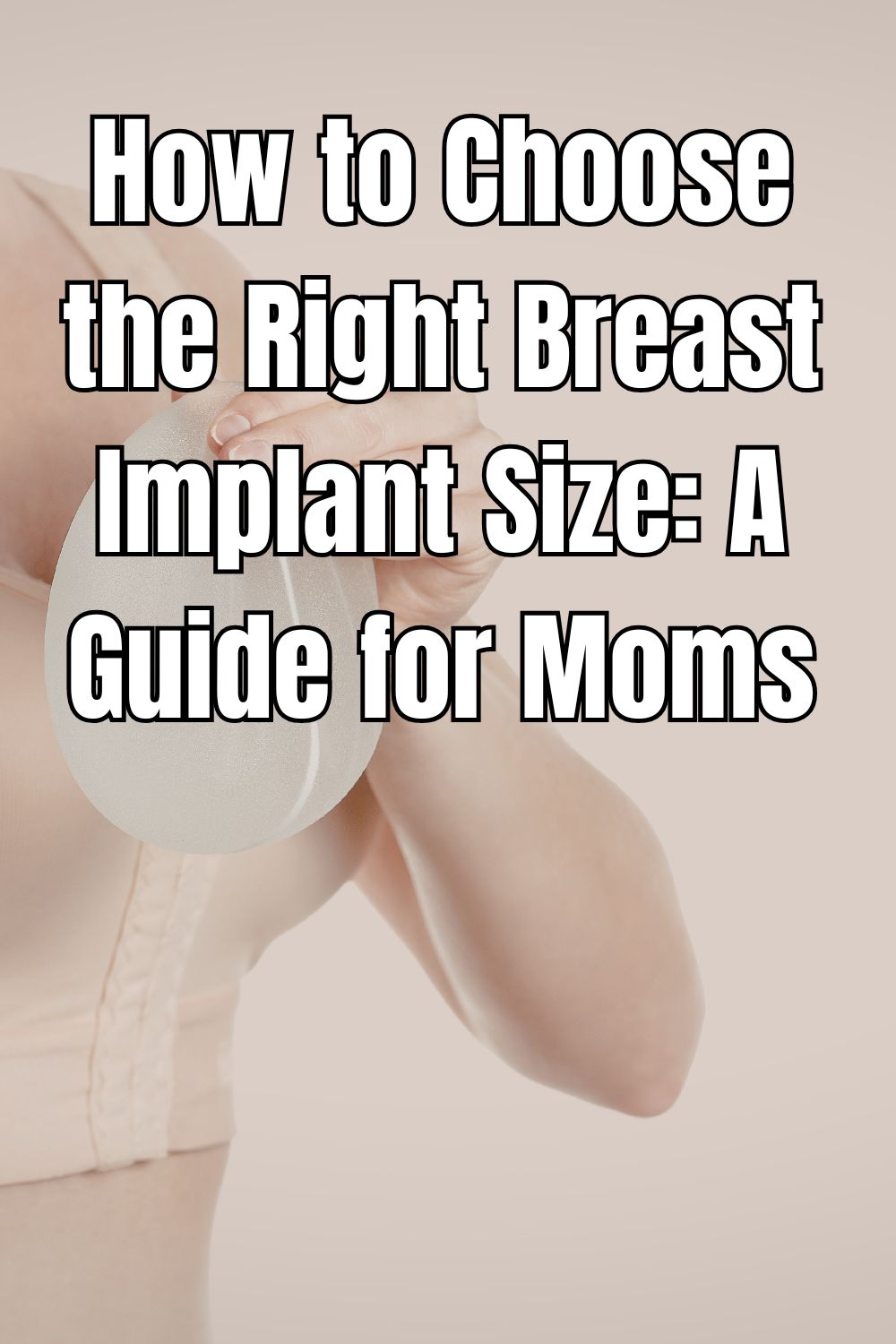
How to Choose the Right Breast Implant Size: A Guide for Moms
Picking an implant size sounds straightforward until you’re actually in the middle of it. Most moms who explore breast augmentation after kids have a clear sense of what they don’t want. They don’t want to go too big, they don’t want to look obviously augmented, and they don’t want to regret it six months later. What they’re less sure about is how to land on the right size in the first place. That decision is less about picking a number and more about understanding a handful of factors that most people don’t think to ask about.
Houston moms navigating this decision tend to have one thing in common: they want their body back, not someone else’s. Here’s a practical look at how implant size decisions actually work.
1. Your Frame Determines the Range Before Anything Else
The first thing a surgeon looks at isn’t a wish list. It’s your body. Chest width, existing breast tissue, shoulder width, and skin laxity all set natural limits on what implant sizes will look proportionate and sit correctly on your frame. Going outside those limits doesn’t just affect aesthetics; it affects how the implant behaves over time and how comfortable it feels day to day.
Women exploring Houston breast augmentation often come in with a size in mind, only to discover in consultation that their frame points to a slightly different range than they expected. Surgeons at practices like Ciaravino assess each patient’s measurements carefully before any size conversation begins, which is what allows the final result to look like it belongs on that specific body rather than looking borrowed. The frame is the starting point, not the preference.
2. CC Volume and Cup Size Are Not the Same Thing
This one trips up almost everyone. Cup sizes vary by bra brand, band size, and manufacturer, which makes them a poor way to communicate implant goals. Implants are measured in cubic centimeters, and the same volume can look very different on two women with different chest widths and starting tissue.
A 300cc implant on a narrow frame produces a different visual result than 300cc on a broader frame. That’s why surgeons focus on the implant dimensions, specifically the width of the implant base, as much as the volume. When the base diameter matches the natural width of the breast footprint, the result tends to look balanced. When it doesn’t, even a modest size can look off.
3. 3D Imaging Removes a Lot of the Guesswork
One of the most useful tools available to women navigating this decision is 3D imaging technology. It lets you see a simulated version of your results before surgery using your actual body measurements, not a generic model. For moms who have a hard time visualizing what a specific volume would look like on their frame, this step alone tends to clarify the decision faster than anything else.
According to the International Society of Aesthetic Plastic Surgery, breast augmentation has been one of the most performed cosmetic surgical procedures in the United States for well over a decade, with over 300,000 procedures completed in 2023. As the technology around these consultations has improved, patient satisfaction has followed. Seeing a realistic preview of what you’ll look like takes a lot of the anxiety out of a decision that feels permanent.
4. Lifestyle Matters More Than Most People Factor In
A size that looks great in a consultation room needs to work at school pickup, at the gym, in a swimsuit at a pool party, and under the clothes you actually wear. Moms especially tend to underestimate how much physical activity factors into this. A larger implant that feels fine at rest can feel cumbersome during exercise or when carrying a toddler. That tradeoff is worth thinking through honestly before committing.
The right question isn’t just “what size do I want?” It’s “what size fits the life I actually live?” Women who think about both tend to be more satisfied with their results long-term than those who focus only on the aesthetic goal.
5. The Implant Profile Affects How You Look as Much as the Size Does
Profile refers to how far an implant projects outward from the chest wall. A high-profile implant is narrower and projects more. A moderate profile is wider and sits lower. Two implants with identical volume can look completely different depending on which profile is used.
For moms who’ve lost upper pole fullness after breastfeeding, a higher profile implant can restore that fullness in a way that feels more natural to their original shape. For someone starting with more tissue and wanting a subtle increase, a moderate profile often integrates better. This is another reason why the consultation matters so much. Profile selection requires a surgeon who can look at your specific anatomy and make a recommendation based on what they actually see.
The Takeaway
Implant size is one piece of a larger puzzle that includes your frame, your tissue, your profile choice, and your daily life. The moms who tend to be happiest with their results are the ones who go into the consultation ready to listen as much as they talk. The right size isn’t always the one you walked in wanting. It’s the one that makes sense for your body, your lifestyle, and the long haul.
Leave A Reply!