Learn how to care for your mouth after a tooth extraction with essential aftercare steps for a smooth recovery.
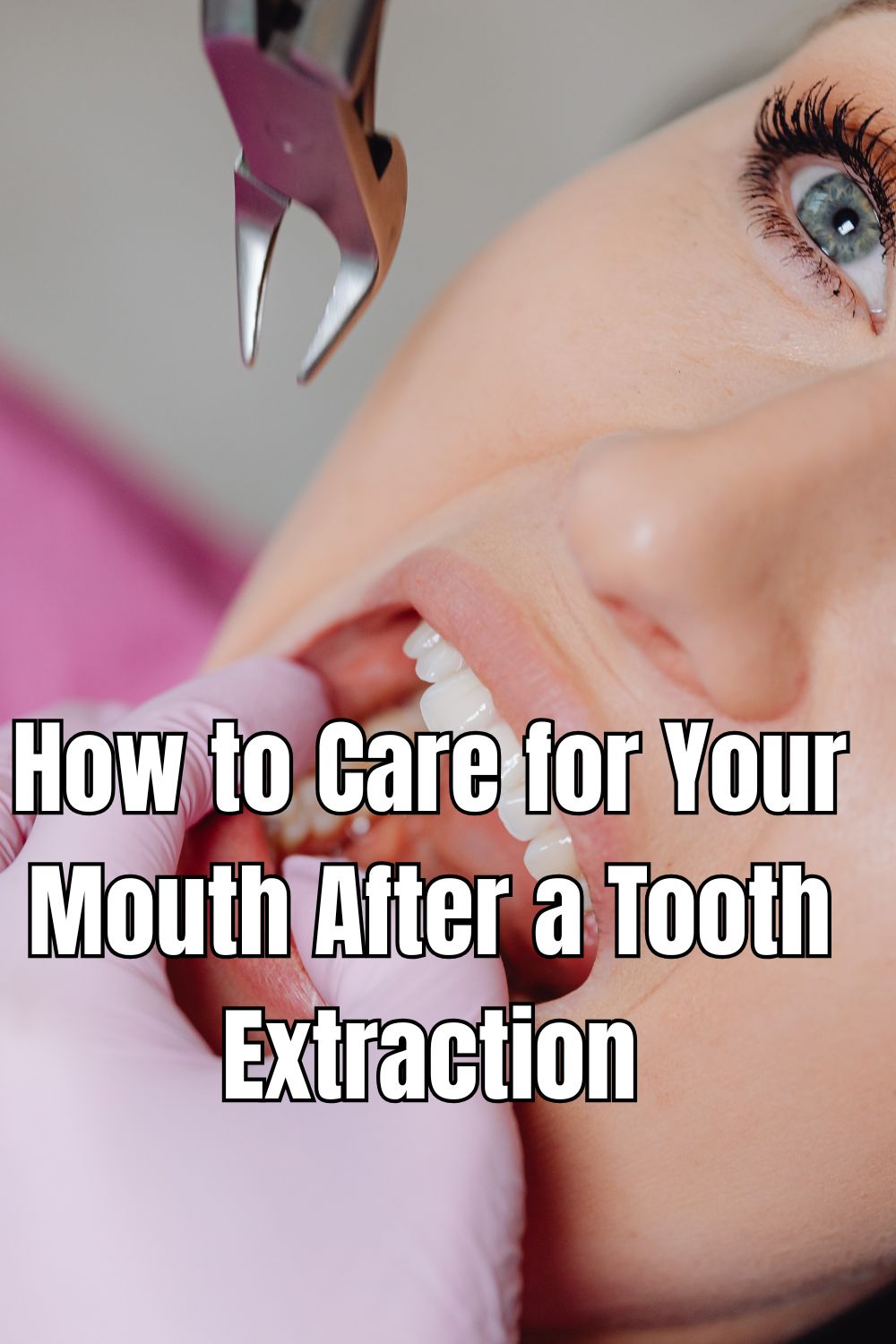
How to Care for Your Mouth After a Tooth Extraction
Just had a tooth pulled? You’re probably wondering what comes next. While the extraction itself may be over, your recovery is only beginning. The good news is that most people heal without any major problems when they follow a few simple aftercare steps.
The first few days are especially important because your mouth is working hard to repair the area where the tooth was removed. What you eat, how you clean your mouth, and even some everyday habits can affect how smoothly the healing process goes.
In this guide, we’ll walk through what to expect after a tooth extraction, how to protect the healing site, and what you can do to help your mouth recover comfortably.
What to Do During the First 24 Hours
One of the most important parts of recovery is the blood clot that forms in the empty tooth socket shortly after the procedure. This protective layer helps shield the area while your gums begin to heal. Learning how to care for a blood clot after tooth extraction can help reduce the risk of complications and support a smoother recovery.
Keep the gauze in place for as long as your dentist recommends. Applying gentle pressure helps control bleeding and encourages healing. If bleeding continues, replace the gauze as directed.
Rest is also important during the first day. Avoid strenuous activity, heavy lifting, and anything that may increase blood flow to the extraction site. These simple precautions can help protect the clot and give your mouth the best chance to heal properly.
Foods and Drinks That Support Healing
Choosing the right foods after a tooth extraction can help you stay comfortable while protecting the healing area.
Best Foods to Eat
Soft foods are usually the safest option during the first few days. Foods that require little chewing can reduce pressure on the extraction site.
Some good choices include:
- Yogurt
- Applesauce
- Mashed potatoes
- Oatmeal
- Smooth soups
- Scrambled eggs
- Cottage cheese
Drink plenty of water throughout the day to stay hydrated. Proper hydration supports overall healing and helps keep your mouth comfortable.
Foods and Drinks to Avoid
Certain foods can irritate the extraction site or become trapped in the socket.
Try to avoid:
- Chips
- Nuts
- Popcorn
- Hard crackers
- Sticky candy
- Spicy foods
- Very hot drinks
It is also best to avoid alcohol during the early stages of recovery, especially if you are taking prescribed medications.
How to Keep Your Mouth Clean Without Irritating the Area
Good oral hygiene remains important after a tooth extraction, but it requires a gentler approach.
During the first 24 hours, avoid rinsing your mouth vigorously. Strong swishing motions can disturb the healing site.
After the first day, many dentists recommend rinsing gently with warm salt water several times a day. This can help keep the area clean without being too harsh.
Continue brushing your teeth, but be careful around the extraction site. Use a soft-bristled toothbrush and avoid direct contact with the healing area until your dentist says it is safe. Gum health and oral hygiene are closely connected, and keeping the rest of your mouth clean can reduce bacteria and lower the risk of infection while the extraction site heals.
Habits That Can Slow Down Recovery
Some habits can interfere with healing and increase the chance of complications after a tooth extraction.
Smoking and Tobacco Use
Smoking is one of the biggest risks during recovery. The chemicals in tobacco can slow healing and reduce blood flow to the gums. The sucking motion involved in smoking may also disturb the clot protecting the extraction site.
If possible, avoid smoking for at least several days after the procedure. The longer you can wait, the better your mouth can heal.
Using Straws
Many people do not realize that drinking through a straw can create suction inside the mouth. This pressure may loosen the clot and delay healing.
It is safer to drink directly from a cup until your dentist says otherwise.
Touching the Extraction Site
It may be tempting to check the area with your tongue, but repeated contact can irritate the healing tissues. Let the area heal naturally without poking or prodding it.
Signs Your Mouth Is Healing Properly
Healing looks a little different for everyone, but there are several positive signs to watch for.
You may notice:
- Bleeding is slowing down within the first day
- Swelling gradually decreasing
- Less pain each day
- New tissue is forming over the extraction site
- Improved comfort when eating and speaking
The extraction site may change color as it heals. This is often a normal part of recovery. As long as symptoms continue improving, your mouth is likely healing as expected.
Warning Signs That Should Not Be Ignored
While most extractions heal without problems, there are times when you should contact your dentist.
Watch for symptoms such as severe or worsening pain, heavy bleeding that does not stop, fever or chills, significant swelling after several days, a bad taste or odor coming from the extraction site, or difficulty opening your mouth. Worsening pain two or more days after extraction is one of the most consistent early warning signs of dry socket, a complication that requires prompt attention from your dentist.
These symptoms could indicate an infection or another complication that requires professional attention.
Returning to Your Normal Routine
Most people can return to their regular activities within a few days, although healing continues for several weeks.
Start adding normal foods back into your diet gradually. If something feels uncomfortable, wait a little longer before trying it again.
Exercise should also be reintroduced slowly. Light activities are usually fine after the first few days, but intense workouts may need to wait until your dentist approves them.
Remember that every extraction is different. A simple extraction may heal more quickly than a surgical extraction or wisdom tooth removal.
Recovering from a tooth extraction does not have to be stressful. By protecting the extraction site, eating soft foods, maintaining gentle oral hygiene, and avoiding habits that can interfere with healing, you give your mouth the best chance to recover smoothly. A little patience during the first few days can go a long way toward preventing complications and helping you get back to your normal routine as quickly as possible.
Leave A Reply!