Learn how proper equipment maintenance keeps construction projects on track and avoids costly delays and disruptions.
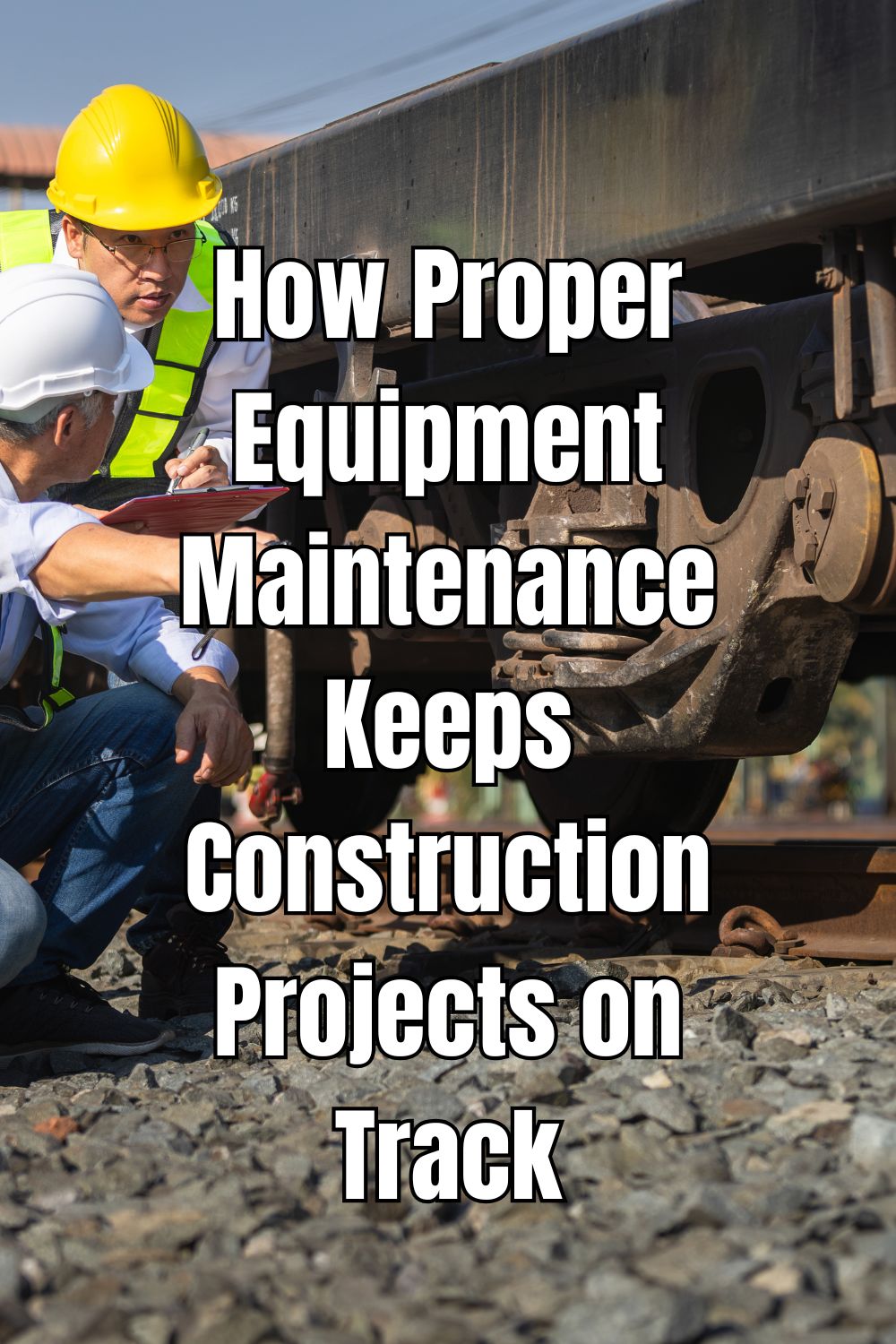
How Proper Equipment Maintenance Keeps Construction Projects on Track
Construction projects depend on heavy equipment to maintain steady progress from start to finish. Excavators prepare the site, forklifts move materials, cranes handle heavy loads, and bulldozers shape the terrain for future work. Every stage of construction relies on machinery performing as expected.
Proper maintenance helps prevent those disruptions. Regular inspections, timely servicing, and replacement of worn components keep equipment operating efficiently under demanding conditions. Reliable machinery allows contractors to maintain productivity, meet deadlines, and manage resources more effectively.
Reliable Equipment Reduces Unexpected Downtime
Unexpected downtime can quickly affect the pace of a construction project. Equipment failures rarely impact only one task. A machine that stops working can delay multiple crews and disrupt carefully planned schedules. Even a short interruption may create setbacks that are difficult to recover from later in the project.
Routine maintenance helps reduce these risks by identifying potential issues before they lead to major failures. Technicians can inspect key systems, replace worn components, and perform necessary adjustments during scheduled service periods.
Quality Parts Support Forklift Reliability
Forklifts play an important role in moving materials across construction sites. Pallets of supplies, tools, and building materials need to be transported efficiently between work areas to keep operations moving smoothly. Consistent forklift performance helps crews maintain productivity and avoid delays that can affect project schedules.
Forklift reliability depends on the condition of critical components such as hydraulic systems, steering assemblies, tires, and lifting mechanisms. Daily use in demanding environments can accelerate wear, making regular parts replacement an important part of preventive maintenance. Similar attention is often required for Moffett parts on projects that rely on truck-mounted equipment for material handling. Companies such as Intella Parts provide replacement solutions for forklifts and Moffett equipment. Learn more about available parts and maintenance support by visiting https://intellaparts.com. Access to dependable replacement parts helps construction teams keep equipment operational and maintain a consistent workflow across the job site.
Crane Inspections Improve Job Site Safety
Cranes handle some of the most demanding lifting tasks on construction projects. Structural materials, equipment, and large components often rely on crane operations for safe placement. Because cranes regularly manage heavy loads, maintenance and inspections play a critical role in overall job site safety.
Routine inspections help verify that lifting systems remain in proper working condition. Wire ropes, hooks, pulleys, and load-bearing components should be evaluated regularly to identify signs of wear or damage. Early detection allows repairs to be completed before safety concerns develop.
Loader Maintenance Helps Maximize Daily Output
Wheel loaders play a key role in material handling on construction sites. Crews use them to transport aggregates, soil, debris, and other materials needed throughout the project. Consistent loader performance helps maintain efficient movement across the site and supports daily productivity goals.
Heavy workloads place constant pressure on hydraulic systems, drivetrains, tires, and buckets. Wear in any of these areas can reduce efficiency and increase the risk of unexpected downtime. Regular inspections help identify developing issues before they affect operations.
Concrete Mixer Maintenance Supports Project Scheduling
Concrete placement often follows a carefully planned schedule. Delays involving concrete can affect multiple phases of construction because many activities depend on completed pours before additional work can begin. Reliable concrete mixers help ensure materials remain available when needed.
Mixer performance depends on the condition of several critical components. Drums, bearings, drive systems, and hydraulic elements experience significant wear through regular operation. Routine inspections help identify potential issues before they disrupt production. Cleaning also plays an important role in maintenance. Hardened concrete buildup can reduce efficiency and place additional strain on equipment. Regular cleaning helps preserve performance and supports consistent operation throughout the project.
Proper equipment maintenance plays a vital role in keeping construction projects on track. Reliable machinery supports every stage of the construction process, from site preparation and material handling to lifting operations and concrete placement. Consistent maintenance reduces the likelihood of unexpected breakdowns that can disrupt schedules and create unnecessary costs.
Each piece of equipment contributes to overall project performance in a different way. Forklifts keep materials moving efficiently, excavators support critical groundwork, cranes handle heavy lifting tasks, bulldozers prepare sites, loaders transport materials, Moffett units streamline deliveries, and concrete mixers help maintain production schedules. Strong maintenance practices help ensure these machines continue operating at their best.
Leave A Reply!