Explore essential information for mothers on eating disorders and adolescents to support their children’s well-being.
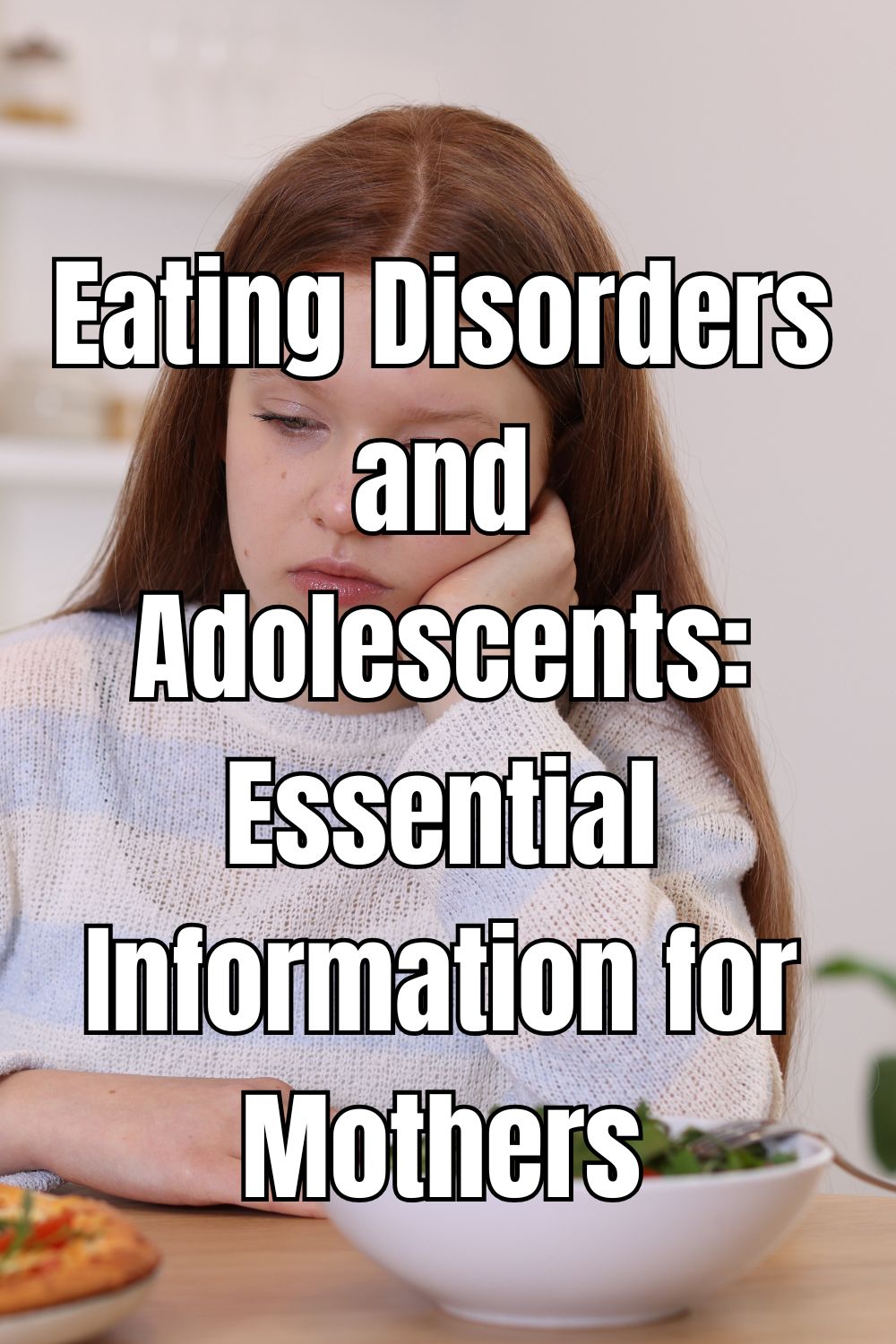
Eating Disorders and Adolescents: Essential Information for Mothers
Watching your child grow up brings incredible joy and new challenges. Teen years introduce rapid physical and emotional changes that can feel overwhelming to get through. Changes in eating habits or body image concerns signal a deeper struggle. When mothers recognize the early signs, they provide support through difficult moments.
Early Warning Signs In Teenagers
Pay attention to subtle behavioral changes to identify potential concerns early. Many parents seek professional guidance for eating disorders when standard mealtime routines suddenly change. Families who recognize these patterns can find appropriate support networks.
Look for sudden rules around specific food groups or skipped family meals. Some teens spend extended time tracking calories or avoiding social events centered around dining. Watch for intense anxiety regarding physical appearance or frequent trips to the restroom right after dinner. Simple observations can help mothers notice shifts before they grow into deep-rooted patterns.
The Broader Impact On Teen Girls
Mothers worry that their child is the only one facing these complex battles. Data published by an American clinical research center reveals that 13% to 21% of adolescent and young adult females struggle with these conditions. Recognizing this reality shows how widespread the issue remains across communities. Families find comfort in knowing they are not walking this path alone.
Societal pressures and digital media messages may intensify personal insecurities during formative years. Teenagers receive mixed signals about health, fitness, and beauty standards daily. Parents can counteract negative messages and encourage open conversations about self-worth at home.
Age Dynamics And Vulnerable Windows
Struggles with food begin much earlier than most parents expect. About 27% of documented cases in their nation occur among youngsters aged 10 to 19. Early adolescence represents a window where body changes intersect with social vulnerability.
Mothers can watch for specific environmental triggers that aggravate these vulnerabilities. Certain situations demand extra parental awareness and gentle check-ins:
- Major academic transitions or moving to new school districts
- Participation in sports focused heavily on weight categories or aesthetics
- Frequent exposure to online spaces promoting restrictive dieting habits
- Direct peer pressure regarding physical sizes or fashion trends
Global Trends In Teenage Health
Statistical patterns look similar across international borders, indicating a universal challenge for modern families. Medical data compiled in a British psychiatric publication states that approximately 6% to 8% of adolescents experience a diagnosed condition during their teenage years.
Nutritional struggles cross all demographic lines and affect children from diverse backgrounds. Mothers can look past common myths about who develops nutritional challenges. Support remains available for every family regardless of their specific situation.
Modern lifestyle changes contribute to rising stress levels among minors. Higher academic expectations and constant digital connectivity amplify standard teenage anxieties. Addressing these foundational stressors forms a core part of comprehensive recovery plans.
The Role Of Communication At Home
Opening a dialogue demands patience and a non-judgmental approach from parents. Avoid focusing purely on weight or food consumption during initial conversations. Focus instead on emotional well-being, stress levels, and daily pressures.
Teens shut down if they feel accused or micro-managed at the dinner table. Frame comments around observation and care rather than criticism or fear. A simple statement about noticing their stress can open doors, creating options that lecturing closes.
Listen actively without jumping to immediate solutions or dismissive reassurance. Validating a teenager’s emotional pain helps them feel understood and respected. Trust forms the bridge needed to introduce professional medical assistance later.
Collaborative Steps Toward Healing
Recovery involves a team approach combining family support with professional medical guidance. Pediatricians, therapists, and nutritional experts provide tailored roadmaps for recovery. Working with specialists relieves the burden on mothers trying to fix everything alone.
Establish consistent family routines that emphasize connection over perfect eating behaviors. Redefine mealtime as a space for sharing stories rather than monitoring portions. Gentle consistency builds trust and helps teens feel secure during treatment.
Encourage hobbies and activities unrelated to physical appearance or performance metrics. Helping a teenager discover passions outside of their body image promotes a stronger sense of identity. Creative outlets, music, or nature walks can provide excellent paths for emotional expression.
Long Term Wellness Strategies
Supporting a teenager needs looking beyond immediate behavioral changes toward sustainable lifestyle habits. True healing comes with rebuilding a balanced relationship with nutrition and self-esteem over many months. Patience remains the most valuable asset a mother can possess during this journey.
Celebrate small victories, including a relaxed meal or an open conversation. Progress rarely follows a straight line, and minor setbacks are normal parts of recovery. Maintaining hope helps your entire household stay focused on the ultimate goal of health.
Supporting a teenager through these challenges requires immense strength, patience, and love. Mothers guide their children toward a healthier relationship with food. Trust your instincts when something feels wrong, and reach out for help early. Your dedication provides the safety net your child needs to heal.
Leave A Reply!