Are you thinking about getting pregnant at an older age? Can you get pregnant at 45,46,47, or 48? Fertility chances, Risks and medical insight.
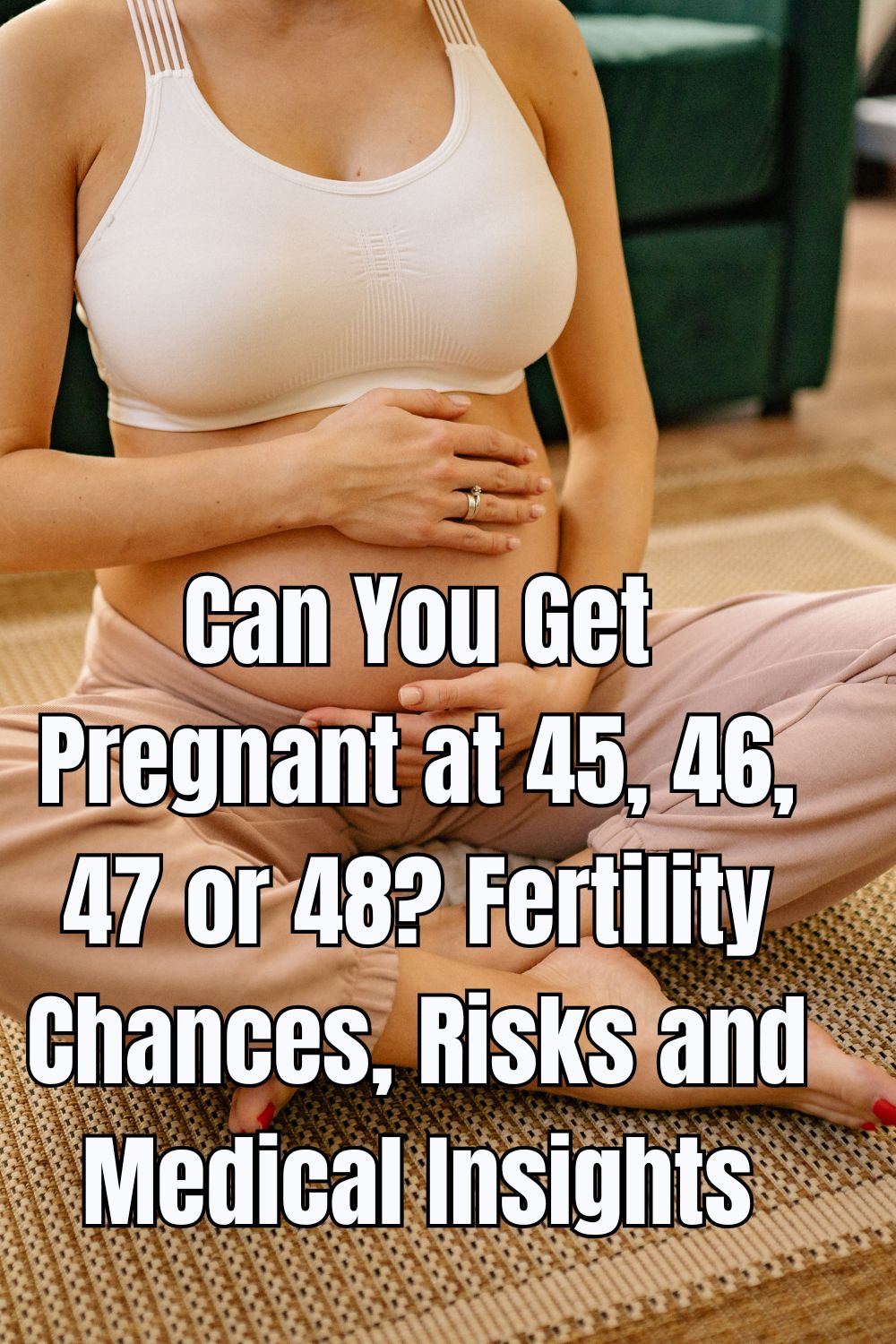
Can You Get Pregnant at 45, 46, 47 or 48? Fertility Chances, Risks and Medical Insights
Yes, you can get pregnant at 45, 46, 47, or even 48, but there is an important caveat. Pregnancy with your own eggs becomes much harder at this age than it is at 30 or even in the early 40s.
The main challenge is not only whether fertilization can happen. The bigger question is whether the egg can develop into a chromosomally normal embryo, whether that embryo can implant, and whether the pregnancy can be safe for both the mother and the baby.
So if you are asking “can you get pregnant at 45” or “can a woman get pregnant at 45,” the direct answer is yes, but the medical reality is complicated. You need to look at ovarian reserve, embryo quality, overall health, pregnancy risks, and whether donor eggs should be part of the discussion.
Can a 45 Year Old Woman Get Pregnant Naturally?
Yes, a 45-year-old woman can still get pregnant naturally, but the chances are usually very low. A regular menstrual cycle at this age does not guarantee strong fertility. Ovulation may still happen, but egg quality and the chance of creating a chromosomally normal embryo are much lower.
The main issue after 45 is not only the number of eggs left, but also their quality. As egg age increases, the risk of chromosomal errors also rises. This can lead to failed implantation, miscarriage, or chromosomal abnormalities in the embryo.
Some medical sources, including Cleveland Clinic, note that miscarriage risk around age 45 can be very high. This does not mean natural pregnancy is impossible, but relying only on natural conception after 45 may not be the strongest plan, especially if time, budget, and emotional energy are limited.
According to a study published in Reproductive Biology and Endocrinology, live birth rates with IVF using own eggs in women aged 45 and older were extremely low. In that study group, the live birth rate was 2.9% per cycle, and all live births occurred in women aged 45, not older.
When Should You Consider Donor Eggs?
Donor eggs are often discussed after 45 when the chance of pregnancy with your own eggs becomes very low. At this point, the question often shifts from “can we try?” to “which path has a realistic chance of creating a viable embryo and leading to birth?”
Donor egg IVF should not be framed as a “less correct” path to parenthood. It is an established medical option, especially when egg age is the main limiting factor. The egg comes from a donor, but the intended mother may still carry the pregnancy, give birth, and raise the child from the first days of life.
When future parents compare donor egg programs, the useful details are usually practical: donor age, medical screening, genetic testing, egg availability, storage, shipping, and coordination with the clinic. For example, A-Egg Bank lists donor age requirements, genetic screening information, and frozen donor egg logistics for intended parents considering donor egg IVF. These details help patients compare options by medical and process criteria, not only by general brand descriptions.
Choosing a donor can also be an emotional part of the process. Before making a decision, intended parents usually want to know what information is available in the profile. If you are trying to understand how to find a good egg donor, it is reasonable to compare screening standards, medical history, physical characteristics, biographical details, and egg availability before focusing on appearance alone.
What Should You Do First If You Want to Get Pregnant at 45–48?
If you are seriously considering pregnancy after 45, the first step is not to guess your chances. It is to speak with a reproductive endocrinologist and get an objective medical picture as quickly as possible.
A typical first-stage evaluation may include:
-
consultation with a reproductive endocrinologist;
-
AMH, FSH, estradiol, and other hormone tests recommended by the doctor;
-
antral follicle count;
-
ultrasound and uterine evaluation before a possible embryo transfer;
-
discussion of IVF with own eggs and IVF with donor eggs;
-
preconception screening for blood pressure, diabetes, cardiovascular risks, and overall health;
-
a clear treatment budget and timeline.
It may feel as if there is no time left and everything must happen urgently. But urgency should not turn into panic. The main goal is to understand what is medically realistic before spending time, money, and emotional energy on a path with very low odds.
Final Thoughts
A woman can get pregnant at 45, 46, 47, or even 48, but pregnancy with own eggs at this age is rare, and medical risks are higher. Natural pregnancy is still possible, but for many women, assisted reproductive options become more realistic.
The most practical first step is a fertility evaluation and a consultation with a reproductive medicine specialist. After that, you can compare natural attempts, IVF with your own eggs, donor egg IVF, donor embryos, surrogacy, or other family-building options with clearer expectations and fewer assumptions.
Leave A Reply!