Learn the hidden truths about ankle surgery recovery that families often overlook, ensuring a smoother healing process.
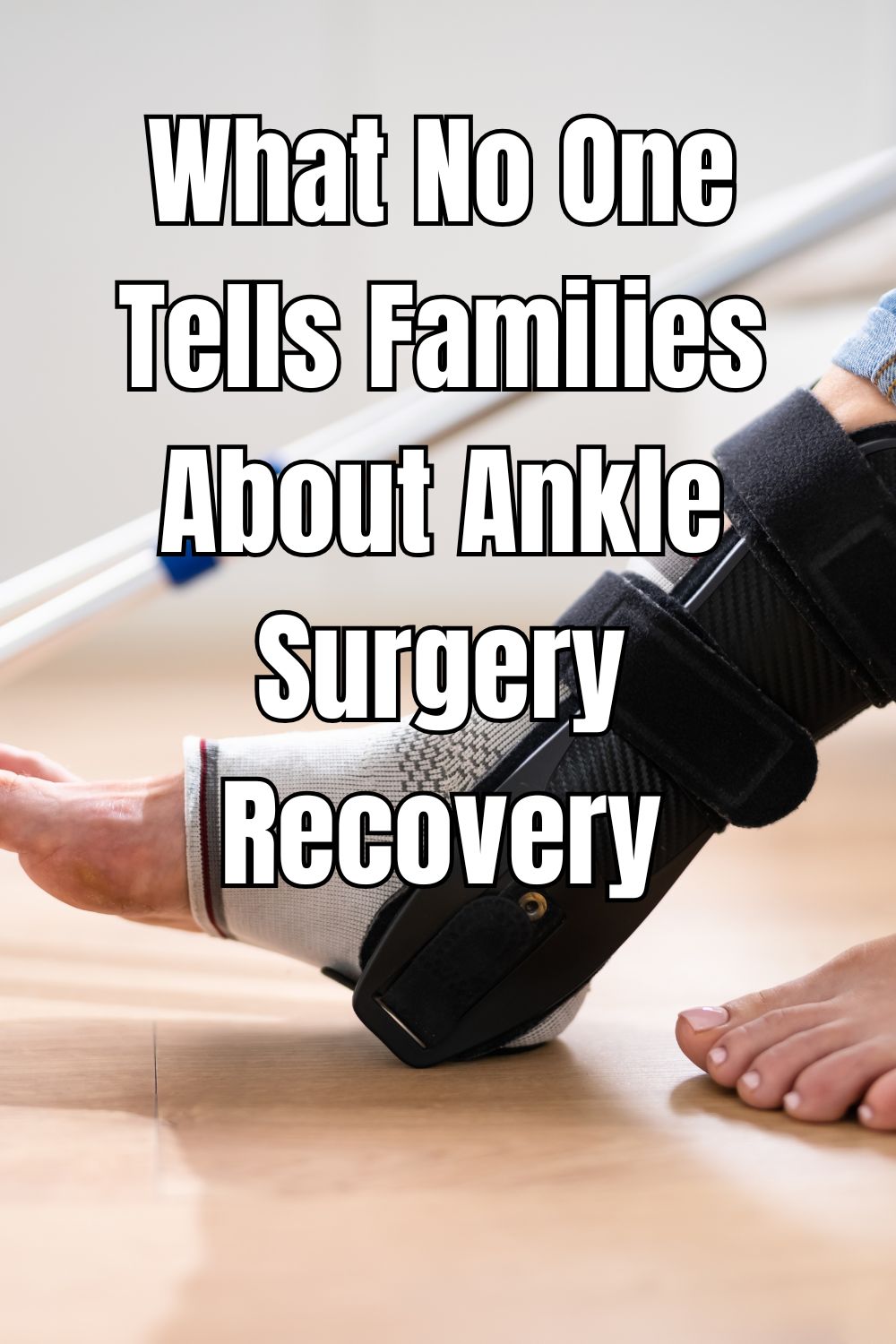
What No One Tells Families About Ankle Surgery Recovery
When someone in your family needs ankle surgery, the focus usually goes straight to the procedure itself. Will it work? How long will they be in the hospital? What’s the risk? Those are fair questions. But what most families don’t think about until they’re already in the middle of it is the recovery.
The weeks after surgery are where things get hard in ways nobody warned you about. If your loved one is headed into a procedure in Manhattan or anywhere else, understanding what recovery actually looks like can make a real difference in how your whole household handles it.
1. Recovery Can Take Longer Than the Given Timeline Suggests
Most surgeons give you a timeline at discharge, and it sounds reasonable. A few weeks of rest, some physical therapy, back on your feet. But that timeline describes biological healing, not full functional recovery. A PubMed study tracking patients after ankle fracture surgery found that at one year post-operation, only 52% of patients had returned to their pre-fracture activity levels, and 72% still reported ankle stiffness.
Teams that handle Ankle Surgery in Manhattan often build recovery timelines that go well beyond the initial discharge window, because real functional recovery is a much longer process than most families are prepared for. Orthopedic centers such as New York Sports & Joints often factor in the full picture, including how the patient moves, what their daily life demands, and how the body is actually responding over time. Families who go in expecting a six-week turnaround often feel blindsided when month three arrives and things are still hard.
Knowing this upfront doesn’t change the timeline, but it does change how you plan around it, especially when you have kids, a job, or a household to run.
2. Your Family Will Be the Ones Enforcing the Weight-Bearing Rules
Nobody tells you this part. After surgery, the patient gets a strict set of rules about how much weight they can put on the ankle and when. But at home, the person making sure those rules are followed is usually you. The patient might feel fine after a few days and start pushing it, walking to the kitchen without the crutches, testing the ankle on the stairs.
That’s where families have to hold the line. The bone and tissue are still fragile even when the person feels okay, and loading the ankle too early can undo the repair entirely. Knowing that ahead of time helps families feel less like they’re being controlling and more like they’re doing the right thing.
3. The First Two Weeks Are the Hardest on the Whole Family
This is the part nobody talks about. The patient is mostly off their feet, which means everything they normally do falls to someone else. Meals, driving, helping with kids, basic errands. If the person who had surgery is the main caregiver in the home, that gap hits fast. Families that do best in this window are the ones who lined up help before the surgery date, not after. Think about who can cover school pickups, who can check in during the day, and whether meals can be prepped in advance. It sounds like overkill to plan that much, but the first week home from the hospital is not the time to be figuring it out from scratch.
4. Swelling Sticks Around Much Longer Than Expected
Most families expect the swelling to go down within a week or two. In reality, ankle swelling after surgery can stay noticeable for several months. The ankle has a lot of soft tissue, and the area responds to surgery with prolonged inflammation that doesn’t resolve quickly. Elevation and ice help, but they don’t speed up the biological process by much. What families should know is that lingering swelling doesn’t mean something went wrong. It’s normal.
The patient should still be following up with their surgeon if swelling suddenly gets worse, becomes warm to the touch, or comes with increased pain, because those can be signs of complications. But general puffiness that fades slowly over weeks? That’s just how ankles heal.
5. Physical Therapy Is Not Optional, and Skipping Sessions Has a Real Cost
Physical therapy tends to be the part of recovery that gets treated as optional once the patient starts feeling better. It’s not. Strength, range of motion, and balance don’t come back on their own after ankle surgery. The muscles around the joint lose conditioning fast during the non-weight-bearing period, and physical therapy is what rebuilds that.
Research published on PubMed found that patients can expect improvement in pain and function within three months of surgery, but most improvements happen within the first six months, and it can take up to a year for patients to reach average physical function scores. Missing PT sessions during that critical window slows the whole process down. Families can help by treating therapy appointments the same way they treat doctor visits, as non-negotiable, not something to reschedule when life gets busy.
6. The Emotional Side of Recovery Is Real and Often Ignored
Being stuck at home, dependent on others, and unable to do normal things takes a toll on a person’s mood. This is especially true for active people or anyone who defines themselves by what they can do. Frustration, irritability, and low mood are common during ankle surgery recovery, and they affect the whole household. The best thing families can do is acknowledge it without making it a bigger deal than it needs to be. Keep the person involved in daily life as much as they can be. Let them do what they’re able to do. Small moments of normalcy matter a lot when someone is stuck in recovery mode for months.
Conclusion
Ankle surgery recovery is manageable, but it goes a lot smoother when families know what’s actually coming. The timeline is longer than it looks on paper, the early weeks are demanding on everyone, and the rules around movement and therapy exist for good reason. Going in informed means fewer surprises, fewer setbacks, and a much better shot at a full recovery.
Leave A Reply!