Explore how the Halo Laser for acne scars can help restore your skin after years of breakouts and improve texture.
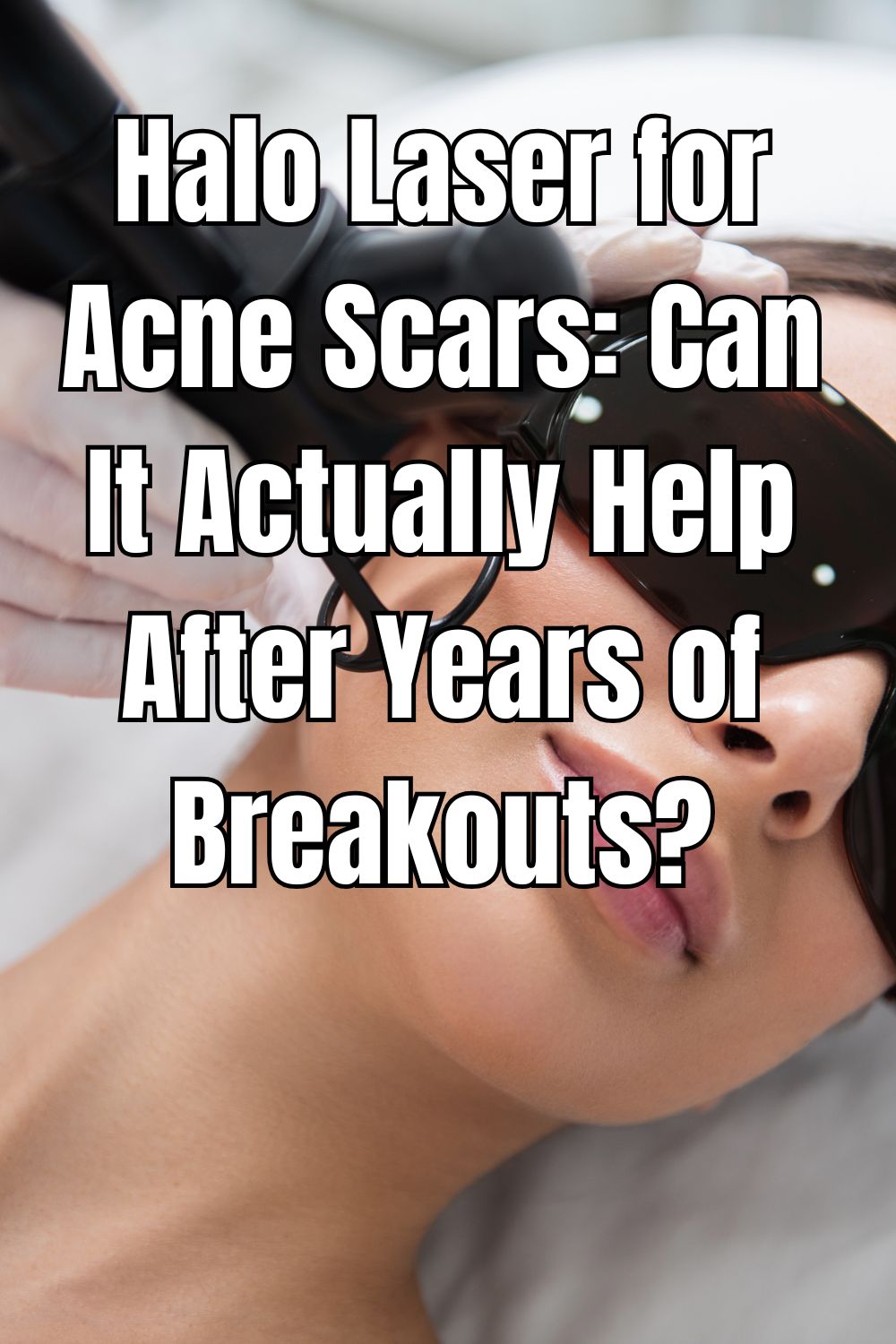
Halo Laser for Acne Scars: Can It Actually Help After Years of Breakouts?
If you spent your teens dealing with bad acne, you know the worst part isn’t the breakouts themselves. It’s what they leave behind. The pits, the rough texture, the dark spots that stick around no matter what you try. A lot of moms and women who finally got their acne under control are now stuck asking the same question: Can anything fix the damage that was already done?
In places like Palo Alto, more people are turning to laser treatments to find out. The Halo laser keeps coming up as one of the more talked-about options, and for good reason. This article breaks it all down so you can decide if it makes sense for you.
1. What the Halo Laser Actually Does to Your Skin
The Halo laser is not your average light treatment. It uses two types of laser energy at the same time. One works on the surface of the skin, and the other goes deeper without removing the top layer. The result is a treatment designed to improve visible skin quality while balancing effectiveness with a more manageable recovery experience
Clinics that specialize in halo laser in Palo Alto typically tailor that dual-energy approach to your specific skin type and the depth of scarring present, which is exactly what separates a good outcome from a disappointing one. The careful skin review that surgical centers like Mehta Plastic Surgery perform before any session plays a big role in how well the treatment works. The surface energy targets rough texture and dark spots, while the deeper energy tells your body to start making new collagen.
Collagen is what fills in acne scars from the inside, and that’s what makes this different from anything you can buy at a drugstore.
2. Why Old Acne Scars Are So Hard to Fix
Acne scars are not just a surface problem. When a pimple gets deep enough, it hurts the tissue under the skin. When that tissue heals, it doesn’t always fill back in the right way. That’s what creates pits and indentations. Creams and serums mostly work on the very top layer of skin.
The real damage from years of breakouts sits much deeper than that, which is why so many people try product after product and still don’t see change.
According to the American Academy of Dermatology, acne affects up to 50 million Americans every year, and a lot of them are left with scars long after the breakouts stop. What makes the Halo laser different is that it works at the level where the damage actually is, not just on top.
3. What to Expect Before, During, and After Treatment
A lot of people think laser treatments sound scary. In practice, it’s usually much more manageable than they expect. Before the session, a nurse or provider will go through your skin history, the products you use, and any past reactions you’ve had. Things like recent Accutane use, a history of cold sores, or too much sun exposure can all affect whether the treatment is right for you at that time.
During the session, most people feel a warm, prickly feeling on their skin. After treatment, the skin looks red for a day or two. Over the next week, you may notice small bronze-colored flakes peeling off. That’s normal. It’s the damaged skin making way for the newer, smoother layer underneath. Most people start seeing real improvement in texture and scar depth within a few weeks.
4. Understanding How Many Sessions You Need
How many sessions of halo laser treatment would you need? This is the question almost everyone asks, and the honest answer is that it depends. Light discoloration from old acne may improve a lot after just one session. Deeper, older scars usually take two to three treatments spaced a few months apart.
A systematic review published on PubMed found that most patients who went through fractional laser treatment saw between 30% and 70% improvement in their acne scars, with side effects that were mild and short-lived. The good news is that recovery between sessions is much shorter than with older, more intense laser types. Most people are back to their normal routine within about a week.
5. Why Your Skin Type Still Matters Before You Book
The Halo laser works on a wide range of skin tones. That’s actually a big deal because some older lasers carry a higher risk of causing pigmentation problems on darker skin. That said, it’s not the right fit for everyone. Skin that tends to form thick scars or skin that has had certain treatments done recently may need a different plan.
The consultation step matters a lot more than most people think. It’s not just about picking a date. It’s about making sure the treatment will actually work with your skin. What we’ve seen time and again is that the results depend just as much on how the treatment is planned as on the technology itself.
Conclusion
Acne scars have a way of following people long after the breakouts are gone. The Halo laser offers a real option for tackling that damage without surgery or a long recovery. It works at the level where the scarring actually happens, not just on the surface. If you’ve been living with scars for years and wondering if anything can truly help, this is one treatment that’s worth looking into seriously. A proper consultation is always
Leave A Reply!