Explore the beauty of The Heart-Cut Diamond, a symbol of love and romance in engagement rings. Discover its unique charm.
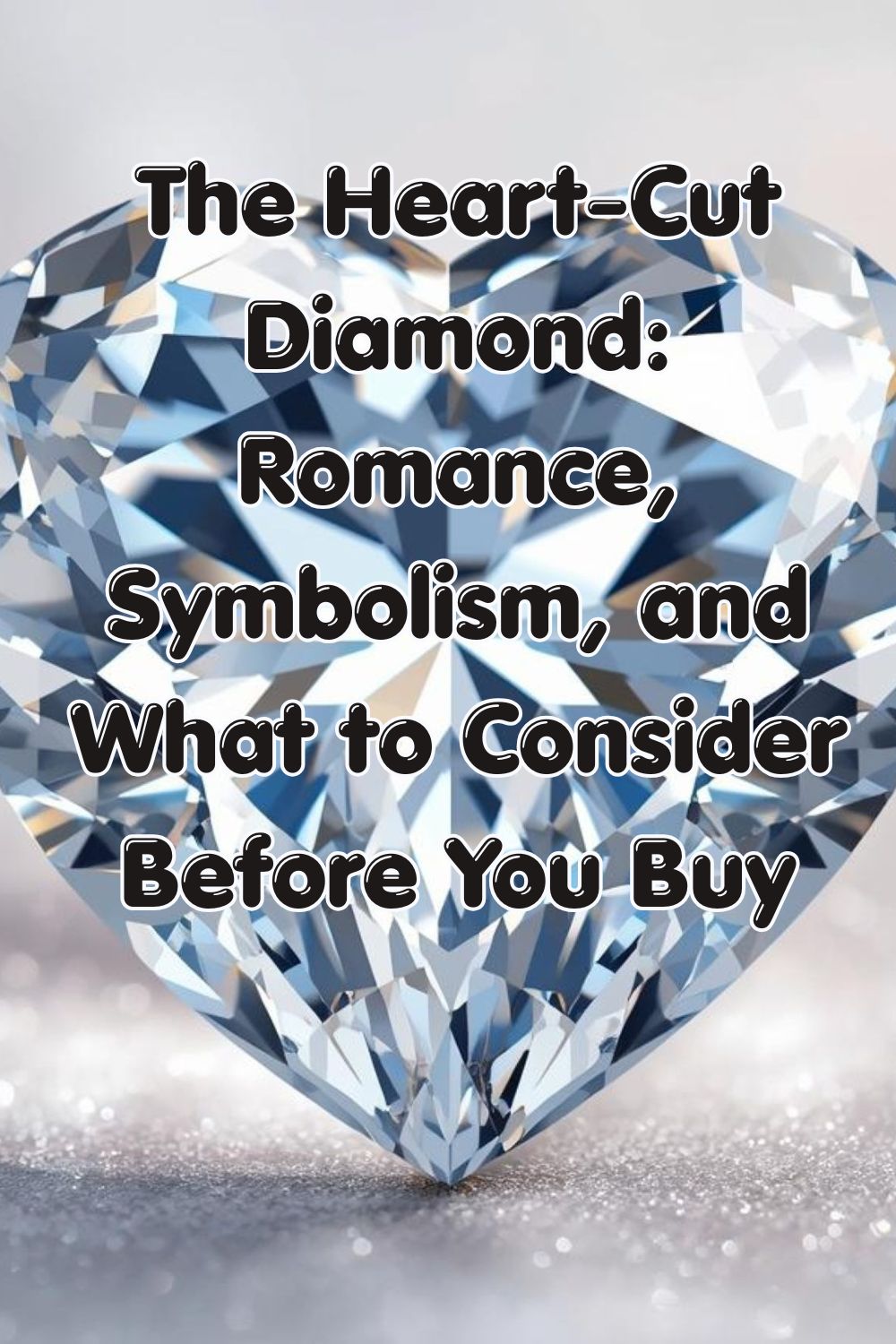
The Heart-Cut Diamond: Romance, Symbolism, and What to Consider Before You Buy
The heart-cut diamond is one of the most symbolically charged shapes in engagement jewellery, instantly recognisable and deeply associated with romantic intent. Choosing this shape is a deliberate statement, and when selected thoughtfully and set with care, it produces a ring of genuine beauty and meaning. Specialist retailers such as Bercotts Jewellers offer heart-cut diamond rings in a range of carat weights and settings, allowing buyers to find a version of this distinctive shape that suits their personal style.
What Defines a Heart Cut Diamond
A heart-cut diamond is a modified brilliant cut shaped to resemble a symmetrical heart. It typically has 59 facets arranged across two rounded lobes divided by a cleft at the top and tapering to a point at the base. Producing a well-formed heart shape requires considerable skill from the cutter, as the symmetry of the two lobes and the clarity of the cleft determine how recognisable the shape is when worn. A poorly cut heart may lose its definition at smaller carat sizes or appear lopsided when viewed from above.
Why Symmetry Is the Most Important Quality
In a heart-cut diamond, symmetry is the single most critical quality factor. The two lobes must be mirror images of each other, and the cleft must sit centrally at the top of the stone. Any asymmetry is immediately visible in a shape that depends on geometric balance for its appeal. When evaluating a heart-cut diamond, viewing it directly from above under consistent lighting is the most reliable way to assess symmetry. Even a small degree of imbalance can make the stone look uneven when worn, particularly in a solitaire setting where the shape is fully exposed.
Carat Weight and Visibility of the Shape
The heart shape becomes more clearly defined as the carat weight increases. At smaller sizes, the shape’s complexity can be lost, and the stone may look more like a round or oval diamond unless examined closely. Most jewellers recommend a minimum of 0.50 carats for the heart shape to be clearly visible, with 0.70 carats or more being more reliably legible. Buyers who want the shape’s symbolism to be immediately apparent should aim for a size where the silhouette is clearly visible when the ring is worn.
The Best Settings for a Heart Cut Diamond
A three-claw or five-claw prong setting is the most common choice for heart-cut diamonds, with claws positioned to hold the two lobes and protect the stone’s pointed base. The point is the most structurally vulnerable part of a heart cut, as it tapers to a narrow tip, and a well-placed claw or V-tip prong ensures the stone remains secure during daily wear. A halo setting surrounds the heart with smaller stones, enhancing the shape’s definition and adding brilliance around the perimeter. Bezel settings, which encircle the entire stone with metal, protect the point but reduce the shape’s visibility from certain angles.
Colour and Clarity in Heart Cut Diamonds
Like the marquise and oval cuts, the heart cut belongs to the brilliant family, which means its complex facet pattern is effective at dispersing colour and hiding inclusions. This makes it more forgiving in terms of colour and clarity grades than step-cut shapes such as the emerald or Asscher. Buyers can often select a stone at the lower end of the near-colourless range, typically H or I colour, without the warmth being apparent to the naked eye in a well-cut heart shape. Inclusions at clarity grades of SI1 or better are generally not visible without magnification.
Pairing with a Wedding Band
The pointed base of a heart-cut diamond means that a standard straight wedding band will not sit flush against the engagement ring. A shaped or chevron band that curves away from the point is the most practical solution. Some couples choose a contoured band that mirrors the heart’s lower curve, creating a clean junction between the two rings when stacked. Planning the wedding band at the time of selecting the engagement ring ensures the two pieces work together without the engagement ring needing to be raised or repositioned.
Heart Cut Diamonds in Natural and Lab-Grown Form
Heart-cut diamonds are available in both natural and lab-grown versions. Because the shape demands high symmetry and skilled cutting, the quality of the cut is particularly important regardless of whether the stone is mined or lab-grown. Lab-grown heart-cut diamonds offer the same visual qualities as natural ones at a lower price, which allows for a larger, more visually clear heart shape within the same budget. For a shape where size directly affects the legibility of the silhouette, this budget advantage is especially relevant.
Who the Heart Cut Ring Suits
The heart-cut diamond is a deliberate and expressive choice that suits buyers who are comfortable with symbolism and want their ring to convey a specific meaning. It is less commonly chosen than round, oval, or emerald cuts, which means it feels personal and distinctive on the hand. It works well for people who want their jewellery to carry meaning beyond aesthetics, and for those who are confident in a style that clearly communicates romantic sentiment. When chosen for the right reasons and set with care, a heart-cut diamond ring is a piece of jewellery with genuine, lasting impact.
Leave A Reply!