Explore the difference between system boilers and other heating options to choose the best one for your home and hot water needs.
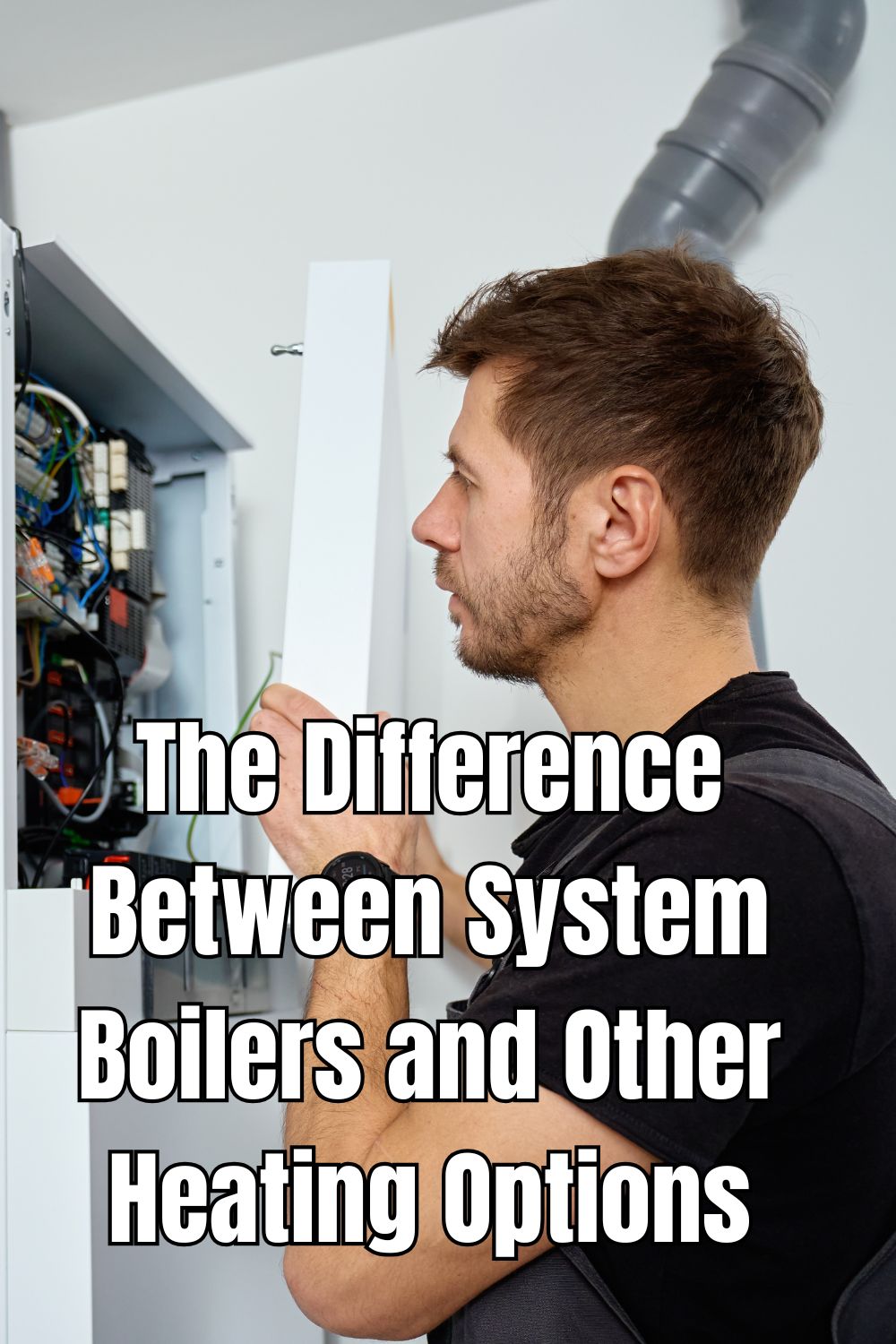
The Difference Between System Boilers and Other Heating Options
A system boiler heats water directly from the mains supply, distributes it to radiators, and stores the surplus in an unvented hot water cylinder without the cold-water storage tank that conventional boilers require. For homeowners reviewing their options, knowing how system boilers compare to other types helps clarify which is best for their property. Heating specialists such as Boilerhut install system boilers across the UK and can advise on the most appropriate choice for your home and hot water needs.
How a System Boiler Works
A system boiler draws water directly from the mains and heats it using gas, oil, or LPG. The hot water is then sent to a sealed hot water cylinder, where it is stored until needed at a tap or shower. Unlike conventional boilers, all the main heating components are built into the boiler unit itself. There is no need for a separate pump or header tank, which simplifies installation and reduces the space required outside the boiler cupboard. The sealed system operates under pressure, usually between one and one-and-a-half bar.
System Boilers vs Combi Boilers
The key distinction between system and combi boilers is how hot water is provided. A combi boiler heats water on demand directly from the mains, with no storage involved. This makes it compact and straightforward, but it means the incoming supply flow rate limits the hot water output. If two people shower at the same time in a combi-heated home, the temperature and pressure can drop noticeably. A system boiler stores hot water in advance, so multiple taps and showers can draw on it simultaneously without a drop in performance.
System Boilers vs Conventional Boilers
Conventional boilers also use a hot water cylinder but differ from system boilers in one significant way: they rely on a separate cold-water storage tank, usually placed in the loft, to feed the heating circuit. System boilers draw water directly from the mains, eliminating the need for a tank. This makes system boilers more compact overall and better suited to properties without loft space. They also benefit from higher mains water pressure rather than relying on the gravity feed used by conventional systems.
Advantages of a Sealed Heating System
System boilers operate in a sealed, pressurised circuit, which reduces the risk of contamination and airlock formation. Sealed systems are also less likely to suffer from corrosion because they are not exposed to the atmosphere as conventional, gravity-fed systems are. The pressurised setup means water reaches every radiator with consistent force, regardless of whether a radiator is on the ground floor or the top floor of the property. This can improve overall heating distribution and reduce cold spots in the home.
When a System Boiler Is the Better Choice
System boilers are particularly well suited to homes with two or more bathrooms, a reasonable number of radiators, and sufficient space for a hot water cylinder. They work at good mains pressure, heat multiple outlets simultaneously, and do not require loft space for a storage tank. For homes being converted from a conventional setup, switching to a system boiler eliminates the need to retain a cold-water tank while preserving the benefits of stored hot water. Properties with solar thermal panels can also integrate them directly with the hot water cylinder.
What to Consider Before Installation
The primary consideration is space for the hot water cylinder. Cylinders typically sit in an airing cupboard and vary in capacity from around 120 litres for a two-person household to 250 litres or more for a large family home. Choosing the right cylinder size ensures the system can meet peak demand without running out of stored water. The condition of your existing pipework and radiators also influences the scope of the installation. A heating engineer can assess these factors before providing a fixed quote.
Running Costs and Energy Efficiency
Modern system boilers achieve high efficiency ratings, with many models exceeding 94%. Over a full heating season, an A-rated system boiler uses significantly less fuel than an older non-condensing model of the same type. Upgrading at the same time as fitting new heating controls, including thermostatic radiator valves and a programmable thermostat, allows you to manage energy use room by room rather than heating the whole property uniformly. Annual servicing keeps the system running at its rated efficiency and catches minor faults before they affect performance.
Choosing a Qualified System Boiler Installer
The most important qualification to look for is Gas Safe registration. All engineers working on gas appliances in the UK are required by law to hold this accreditation, and you can verify it independently through the official register. Beyond that, look for a company that provides manufacturer-backed warranties, offers fixed pricing rather than estimates, and communicates clearly at each stage of the job. A well-installed boiler system should perform reliably for 15 years or more with proper maintenance, so the choice of installer matters as much as the choice of boiler.
Leave A Reply!