Learn how teaching kids about different cultures can enhance their understanding of diversity through daily experiences at home.
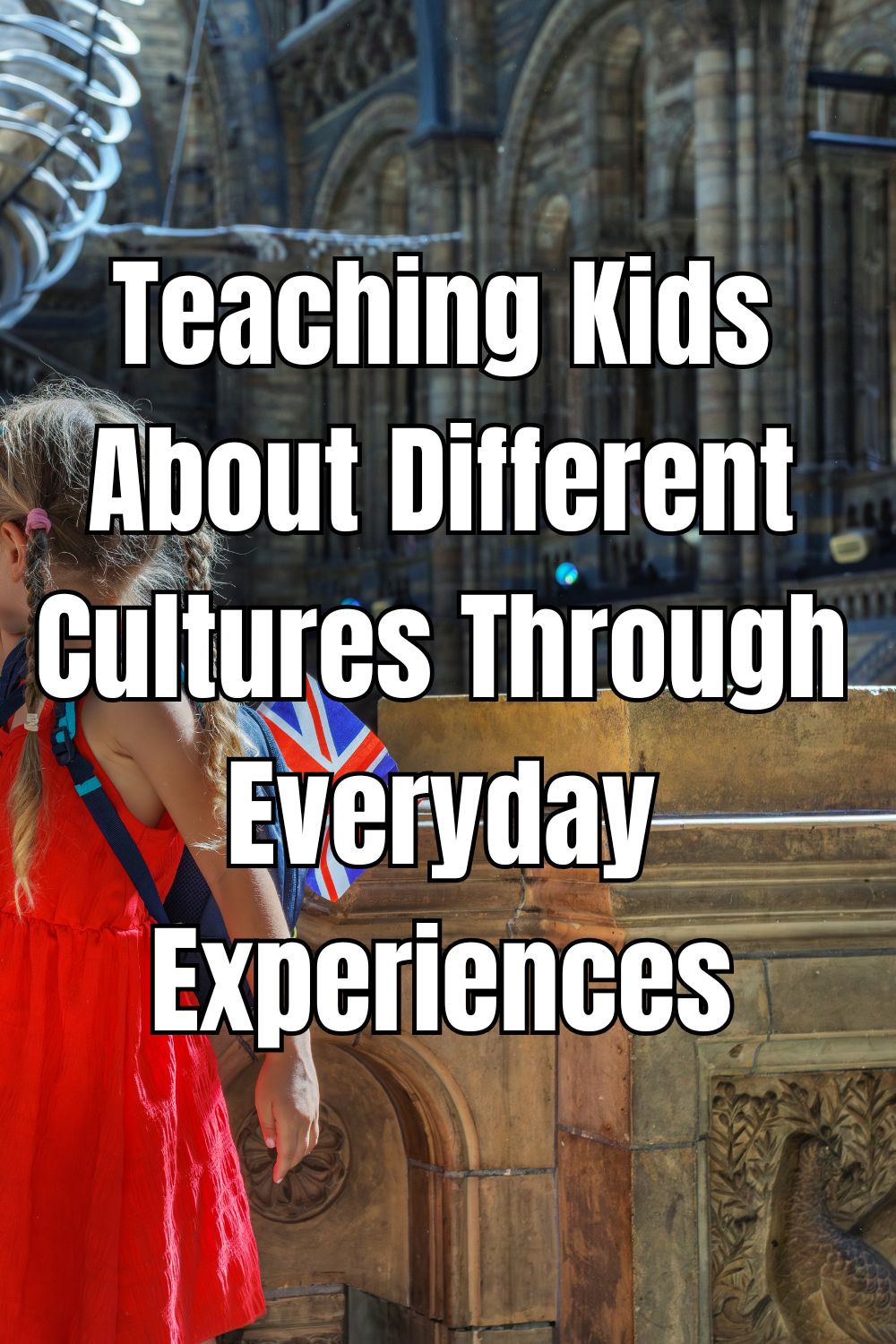
Teaching Kids About Different Cultures Through Everyday Experiences
Kids are naturally curious when it comes to their surroundings. At a young age, children will begin to see differences in how you speak, traditions that you have, what clothes you wear, and what you eat. Teaching kids about different cultures does not require expensive trips or formal lessons. Some of the most meaningful learning happens through simple everyday experiences. As children learn about other ways of living, this is when they also become aware of the diversity of people and cultures throughout the world. This awareness can lead to a better understanding of others, which ultimately leads to developing an open-minded and respectful person.
Exploring The World Through Food
Food offers an accessible way for parents to introduce their children to cultural learning at home. Learning about the foods of other countries creates opportunities to learn about the culture and traditions of those countries. Children may also find it interesting to learn about ingredients that originate in another country or how people prepare meals in other parts of the world. Sharing meals that represent different cultures can add excitement to what would otherwise be considered “learning” experiences. For example, enjoying Thai food can open the door to discussions about Thailand, its history, celebrations, and daily life. A simple meal can become an opportunity to discover something new together.
Books That Open New Perspectives
Stories allow children to see life through someone else’s eyes. Children’s books featuring characters of different backgrounds provide kids with a means of understanding the differences in the lives of others. The stories we read help us learn about new customs, morals, and viewpoints.
Most libraries and stores have many books available on different topics; therefore, it is easy to find children’s books from all over the world. By reading a variety of books at different times during the year, you will keep your child engaged while helping them realize how richly diverse our global community is.
Celebrating Traditions At Home
Many cultural traditions can be expressed by way of crafts, music or holiday celebrations. Studying holidays from other countries can help young people find ways that many people are able to express joy, thanksgiving, and community.
Activities like listening to traditional music or doing a craft project for the culture can make learning fun. Younger students may also relate better to concepts when participating in a hands-on activity versus just reading about it.
Learning Through Everyday Conversations
The everyday conversations we have with our kids give us plenty of chances to encourage them to ask “why.” In fact, when they ask you a question about culture (or anything else), the way you answer will show your child how much you value curiosity.
Creating a space for all of their questions to be asked, without fear of being wrong or embarrassed in front of others, and creating a space where it feels fun to learn, will help your child feel comfortable asking more questions.
Building Respect Through Small Moments
Building awareness for kids in other cultures is not hard. The small moments that are an experience as part of daily life will help create long-lasting experiences. Kids discover the world by experiencing culture through food, reading books about culture, listening to cultural music, and talking with people from different cultures. Every moment is a lesson to teach our kids how to show respect, kindness, and interest in discovering the world and its many different cultures.
Leave A Reply!