Learn the signs your dog may have allergies, including itching and excessive licking, and find ways to help them feel better.
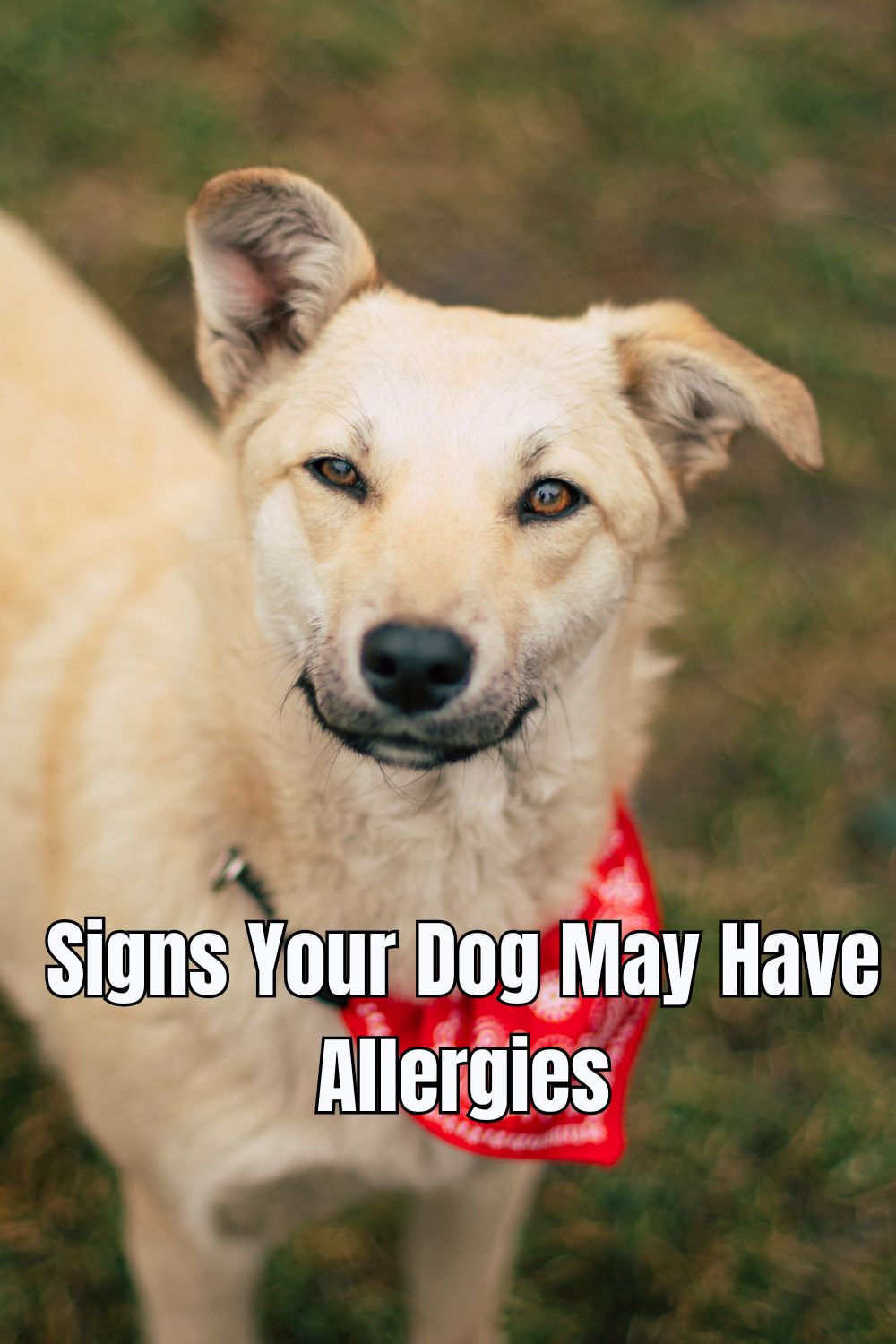
Signs Your Dog May Have Allergies
Watching your pet itch can be heartbreaking for any dog owner. You might see them rubbing their face on the sofa or licking their feet for hours.
These signs often point to underlying sensitivities that need your attention. Identifying the cause is the first step toward helping your furry friend feel better. You can manage these issues with the right knowledge and tools.
Constant Scratching And Skin Irritation
Dogs express discomfort through their skin and coat in many ways. When they feel an itch they cannot reach, they may roll on the carpet or rub against furniture.
Pet owners often look for ways to soothe their furry friends during these times. Finding relief often involves using Apoquel 5.4 mg Tablets or similar solutions to stop the constant cycle of scratching. This helps prevent the skin from breaking and getting infected.
Persistent itching is more than a nuisance for your pet. It can lead to hair loss and dark scabs if the pet continues the behavior. You must monitor their daily habits to catch these changes early. Small shifts in their mood can tell you a lot about their comfort level.
Redness And The Risk Of Hot Spots
Irritated skin often looks pink or bright red when you look closely. You should check areas like the belly and armpits for these distinct changes. These spots are sensitive and can feel warm when you touch them.
A veterinary clinic guide noted that simple redness can turn into painful and damp infected areas very quickly. These spots grow fast and require medical attention from a professional. Keeping the skin dry is a priority for healing.
You should watch for patches that seem to be spreading across the body. Quick action makes the recovery process much smoother for your pet. Early care prevents the need for more complex treatments later. Your dog will feel better once the heat leaves their skin.
Understanding Allergic Sensitization Challenges
Testing for specific triggers in canines is not always a simple task for owners. It requires extreme patience and clear professional guidance from a veterinarian. Many factors can influence the results of these tests.
A medical study explained that checking for dog sensitivities is far more difficult than testing cats. The results from blood tests and skin tests often do not match up well.
Owners should work closely with their vet to find the right path for their pet. Consistent monitoring is a key part of maintaining a happy dog. You should keep a log of symptoms to help the doctor make a plan.
Chronic Ear Infections And Head Shaking
Floppy ears can hide a lot of trouble when sensitivities flare up in your pet. You might notice a strange smell or dark wax inside the ear canal.
Signs Of Ear Trouble
Dogs will shake their heads or tilt them to one side repeatedly. This is their way of trying to clear the deep discomfort inside. It can lead to ear hematomas if they shake too hard.
Treating the ears alone might not fix the root issue of the problem. You must address the systemic reaction to see a real improvement in their health. Consistent cleaning helps manage the external symptoms.
Paw Licking And Chewing Behaviors
Many pets focus their attention on their feet when they feel itchy or sore. They might chew on their toes until the fur turns brown or red.
Saliva can stain light-colored fur over time as they constantly lick. This is a clear sign that something is bothering them internally or on their skin. You should wash their paws after every outdoor trip to remove irritants.
Look for these common signs:
- Wet fur on the top of the paws
- Redness between the toes and pads
- Limping or favoring one leg while walking
- Swollen nail beds that look irritated
Respiratory Symptoms And Sneezing
Skin issues are very common, but some pets react with their lungs and nose. They might sneeze or have clear discharge from their nose throughout the day. This is often seen during high pollen seasons in the spring.
Breathing And Eye Health
Watery eyes can accompany these symptoms when the air is full of dust. It looks very similar to a human cold or hay fever. You should monitor their breathing for any wheezing sounds.
Dust and mold in the home can trigger these reactions in sensitive pets. Cleaning bedding often can help reduce the load on their immune system. Keeping the air clean is a great step for their health.
Managing Symptoms for Long-Term Comfort
Lifestyle changes can make a big difference for sensitive pets in the long run. Simple steps like wiping paws after walks can remove common triggers. You should consider using a gentle soap for their regular baths.
High-quality food and regular grooming support a healthy skin barrier. 1 or 2 small adjustments can lead to much better days for your pet. You should consult your vet before changing their diet.
Stay consistent with your routine to track what works best for them. Your pet will appreciate the extra care and attention you provide. Small wins lead to a much happier life for your furry friend.
Seeing your dog happy and comfortable is the goal of every pet parent. Pay attention to the small shifts in their behavior or their coat quality. Your care makes a world of difference in their daily quality of life.
Take action when you see the first signs of trouble in their skin. A healthy coat and clear skin are signs of a thriving and happy pet. Your bond grows stronger when they feel their best every day.
Comments & Reviews
That heartbreaking feeling of watching a dog constantly rubbing their face or licking their feet really resonates with me. Identifying the root cause of these sensitivities is so crucial, but knowing exactly what to look for regarding skin irritation can be a puzzle without expert guidance.
It’s so heartbreaking when you see your pup rubbing their face on the sofa or obsessively licking their paws; these signs really do point to underlying sensitivities that need attention. You’re absolutely right that identifying the specific trigger is the essential first step before we can figure out how to make our furry friends feel comfortable again.