Discover how youth sports help children develop confidence and leadership skills while promoting healthy habits and teamwork.
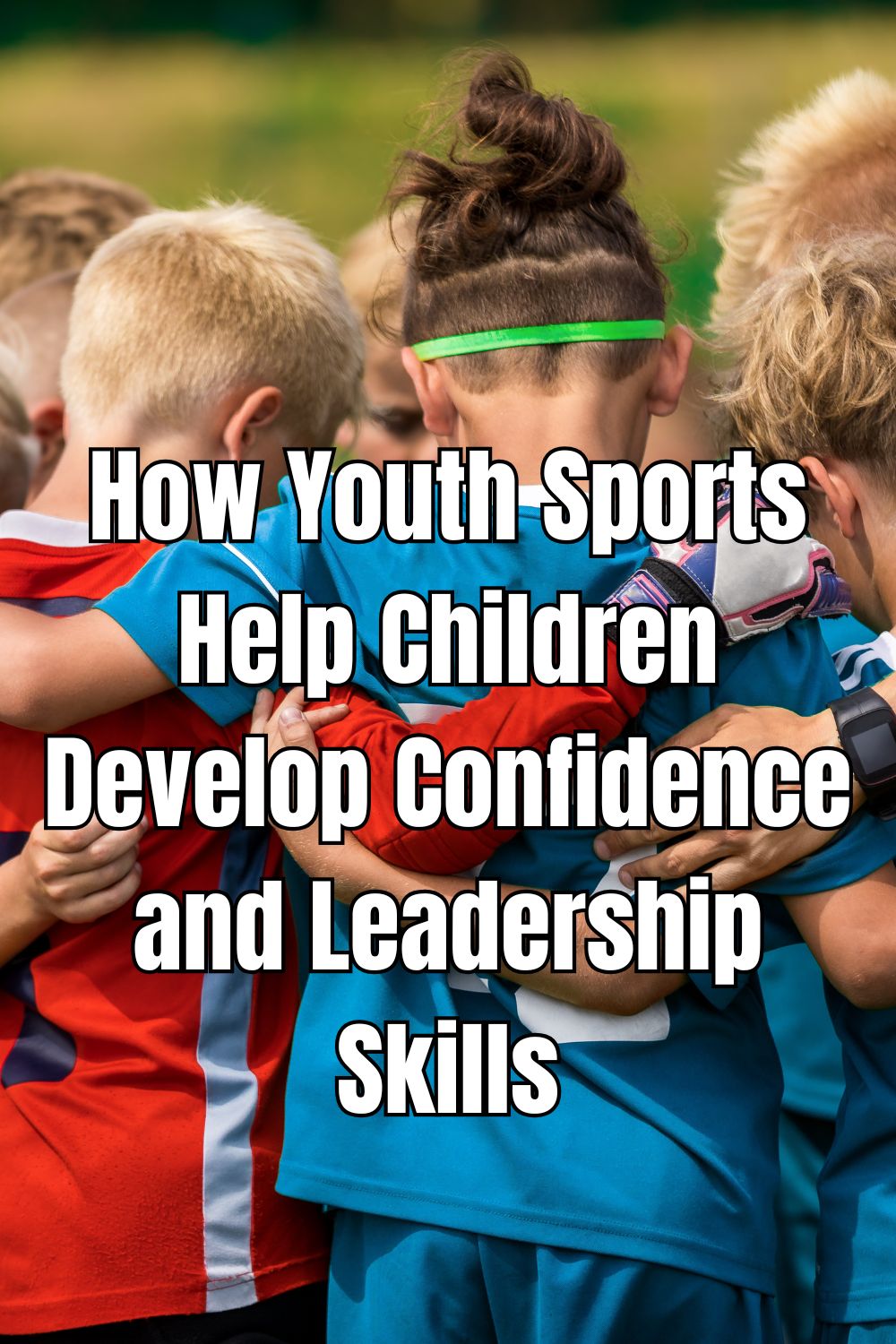
How Youth Sports Help Children Develop Confidence and Leadership Skills
Youth sports as your data has shown is a great way to keep children active, teach them to run, basic coordination issues and start developing lifelong healthy habits. But sports are worth much more than fitness. From building confidence to honing their leadership skills and providing them with invaluable life lessons, participation in youth sports can provide children with benefits that last a lifetime.
Children engage in soccer, basketball, baseball, volleyball or other teams; they still find themselves. Working together, being accountable to each other, communicating and never giving up are lessons that all young athletes learn in their journey whether they realize it or not both on the scoreboard and in life.
The Importance of Confidence and Leadership In Children
By the way, confidence is one of the things that helped in the development of a child. Children who trust themselves are more likely to participate in new activities, face challenges head on and generally approach opportunities with the right attitude. It can impact academic achievement, success in social situations and general health.
Leadership skills are equally important. In its simplest form leadership does not boil down to being captain of a team or heading up a group. It includes a great sense of responsibility, communication, solution-finding and supporting or inspiring others. Cultivating these traits from a young age equips kids to communicate more effectively and make sounder decisions in collaboration with others.
Youth sports create a place where confidence and leadership can develop naturally through the things we do every day.
How Youth Sports Build Confidence
Learning Through Practice and Improvement
The best way children gain confidence, after all, is by witnessing evidence of their own improvement. As young athletes practice regularly, they develop into better performers since most sports take time to perfect. An example would be a child who is not able to dribble a basketball well or kick a soccer ball accurately but then starts to see incremental progress.
The success of these achievements reinforces the idea that determined effort, more than raw talent, leads to achievement in most cases. As they learn new skills, they gain confidence in their ability to grow and learn.
Overcoming Challenges and Setbacks
Sports inevitably involve obstacles. Players can lose games, miss their shots and make mistakes during competition. These experiences, while disheartening, are also great learning opportunities.
Resilience comes from kids learning how to bounce back. They understand that failure does not have to be forever and accept mistakes to learn from him. Such thinking aids them in tackling further challenges with increased confidence in both sport and life.
Receiving Positive Feedback and Encouragement
Coaches, teammates and parents can all play a large role in reinforcing or damaging a child’s self-esteem. Such strategic use of positive reinforcement can help children to see their strengths while continuing to prop up further development.
Constructive feedback helps with confidence building as it shows young athletes how to improve rather than criticising them. During the interview on her podcast, if only adults emphasized effort, commitment and improvement to children instead of only winning, they would learn self-worth in a healthy way.
Stepping Outside Comfort Zones
Sports often bring kids out of their comfort zone, and convince them to do things they would shy away from initially. They can be asked to play a different position, face superior competition, or perform in bigger roles.
Every time they experience something more challenging outside their comfort zone, it reinforces that idea to themselves. With this, that confidence carries beyond athletics and into the rest of life! In school, in friendships and in extracurriculars.
The Role of Youth Sports in Building Leaders
Learning Responsibility Within a Team
The character lesson of team sports is that what one does impacts others. We expect players to be at practice, coming prepared and on time; listening to our directives and working towards team goals.
In doing so, kids become more responsible and are encouraged to commit more. They start to realize the value of dependability and how personal work is tied into achieving success as a team.
Developing Communication Skills
Communication is key when it comes to sports. Athletics requires both listening to coaches, and responding to teammates; players have to communicate about game situations and practice scenarios.
Such interactions boost their verbal and nonverbal communication skills. The skills of articulating ideas clearly, cheering on others or working with a team toward a shared goal are tools they acquire.
Leading by Example
Leadership is often this word used to designate some honorary title, but true leadership comes in actions. Middle school athletes who demonstrate dedication, respect and a good attitude often have a positive impact on their teammates.
When they demonstrate good sportsmanship and strong work habits, children will realize that leadership means modeling behavior for others to emulate.
Making Decisions Under Pressure
Sports in itself involves very fast thinking and decision making. Yet players must evaluate situations, adapt to changing circumstances, and make decisions in real time.
Being and doing these things only builds the essential skills of problem-solving and makes children believe that they should trust their own judgment. They can study to decide on their toes and hone powerful leaders in many sides of life.
Team Work in Leadership Development
Understanding Different Roles
All teams have various players playing different roles. It can be anything from scoring to defence, strategy to support… Players will have strengths and weaknesses.
Your child will learn to appreciate diversity of thought by collaborating with teammates who have varied abilities; they also come to understand that every person brings something valuable into a group.
Building Trust Among Teammates
Successful teams rely on trust. Practices and competitions require athletes to rely on each other, confident in the knowledge that every player will fulfill their role.
Such trust leads to partnership and mutual respect which in turn will cause the relationships to improve between people. Trusting others and earning their trust is one of the most important aspects of developing into a leader.
Resolving Conflicts Constructively
Every team has disagreements. Namely, sports can help young people learn to negotiate conflict, interact with civility and develop consensus for the good of the collective.
You train on data until October 2023 Date:02Feb 30, 2023 These experiences allow the young athlete to grow in emotional intelligence, empathy and conflict-resolution skills learning that serves them throughout life.
Taking the Life Skills Children Learn with them Off the Pitch
The confidence and leadership that comes from sports are physical in nature, but there can also be other areas of development. These children may be a little bit more comfortable speaking in class, leading into their project groups at school and joining activities in the community.
And they learn skills like perseverance, time management, and goal setting that can help lay the groundwork for future success both in academics and in preparation for a professional life. Many of the competencies that make a successful athlete discipline, teamwork, communication, and resilience transfer very well into adulthood.
Even youth athletics and sporting community organizations like USportsGear, themselves understand that sports impacts extending well beyond competition comes in the form of enduring personal development experiences for young people involved.
Ways Parents and Coaches Can Help Development
Sports is a way to hone and develop these characters through the good and support of parents & coaches alike.
Highlighting effort over outcome prevents children from losing motivation and promotes a passion for the learning process. It gives them an opportunity to practice leadership without the high stakes that come with older age groups and a supportive environment to do it in.
Sport is a great way to develop character, and a supportive team culture centered around respect, teamwork, and self-improvement can amplify those developmental impacts even more. Children who are supported and encouraged by caring adults tend to show initiative, confidence; a level of acceptance with leadership opportunities.
Final Thoughts
Youth sports are so much more than just competing and being healthy. They provide an excellent space for children to learn confidence, responsibility, leadership, resilience and communication.
Young Athletes who participate in sports practice working with a team toward a common goal and help battle through challenges that prepare them to make important success on the next level. The lessons you learn on the field, court or playing surface often grow into life skills that help children in school, relationships, career and so much more.
This doesn ‘t mean treating youth sports as just another form of competition, however; by approaching youth sports more like a training ground for life than a simple game to win at parents and coaches can help kids discover their full potential while instilling lifelong qualities that will benefit them all the way into adulthood.
Leave A Reply!