Learn effective ways to teach kids about the joy of volunteering by engaging them in meaningful community activities.
How to Teach Kids About the Joy of Volunteering
Engaging children means sparking their interest in helping others. It’s special to see a child smile while doing good. Volunteering teaches compassion, empathy, and community spirit. When kids get involved, they learn about others’ needs and discover their own strengths. Activities like cleaning a park or visiting elderly neighbours can greatly shape their character.
Volunteering also helps kids grow personally. By helping others, they gain a better understanding of the world. This hands-on experience encourages them to think critically and creatively about social issues. They also learn teamwork and leadership by working together.
How can you inspire your child to volunteer? Let’s look at how to make it enjoyable.
Making It Fun
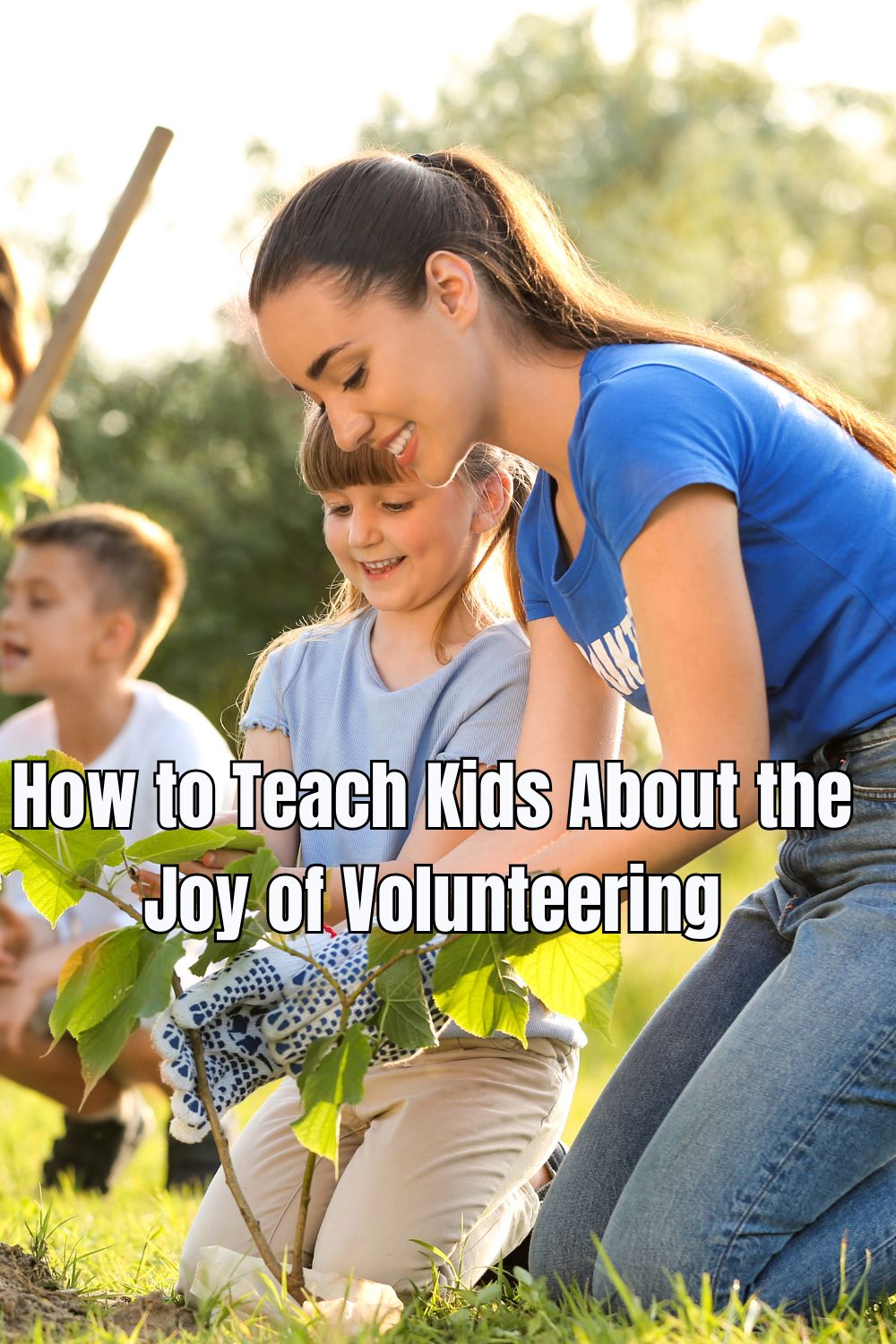
Making volunteering fun is important. Kids are curious and want to explore, so find activities that match their interests. For younger children, consider hands-on activities like community clean-ups or tree planting. These let them be active, have fun, and feel accomplished.
For older kids, seek programs that allow them to take on more responsibility. They might help organize a fundraising event or volunteer at a local shelter. Activities like comic book drives, food drives, or art projects for hospitals can spark their interest in helping. Present volunteering as an adventure, something fun to try, not a chore. Let them choose activities they like to ignite their passion for giving back.
Exploring Options
Many volunteer opportunities await kids. Local animal shelters often welcome young volunteers for animal care or fundraising. Libraries and schools may offer reading programs for older children to help younger children improve their reading skills. Community gardens allow them to engage with nature while learning about healthy eating.
Volunteering at a food bank is particularly impactful. This experience shows kids the importance of food security. Helping organize food donations or prepare packages teaches them about gratitude and supporting one another. It helps them understand community resources while gaining important life skills.
The Gift of Perspective
Volunteering helps kids see the world in a new way. When they take part in community service, they learn about different life experiences. This helps them understand and care for people who are different from them. Talking about what they see during volunteering can spark deeper conversations about global issues and empathy.
Parents can encourage these discussions by asking questions after volunteering. Questions like “What did you learn today?” or “How did it feel to help?” help kids share their thoughts and feelings. These talks show kids the value of volunteering and the happiness it can bring.
Creating Lasting Habits
Volunteering can lead to good habits for life. When kids feel joy from helping others, they are more likely to look for volunteer opportunities as they grow. Setting up regular volunteer activities can help make this a habit.
Parents should share their own volunteering stories and the happiness it brings them. Whether through family projects or personal activities, showing the benefits of giving back builds a strong foundation for kids. It teaches them that volunteering is not just a one-time event, but a fulfilling way to live.
Making It a Family Affair
Volunteering is a great way for families to bond. Doing activities together strengthens connections and creates lasting memories. Plan family volunteer outings, like serving meals at a shelter or organizing community events. These experiences become part of your family story.
When kids volunteer with their parents or siblings, they learn about teamwork and community spirit. Working together teaches them the importance of unity. Plus, it allows parents to model kindness and show the value of helping others.
Joy in Action
The joy of volunteering is rich in meaning. It’s about the act itself and its impact on children’s views of the world. By offering opportunities to volunteer, encouraging discussion, and making it a family activity, you can help kids develop a lifelong love of service.
These experiences create a ripple effect, connecting families and communities in important ways. As kids help others, they will feel a new sense of purpose and belonging. This journey of giving back benefits both those they help and enriches their own lives.
Responsibility and Commitment
Volunteering helps children learn responsibility and commitment. When kids take part in a volunteer project, they understand the importance of following through. This can be as simple as visiting a local shelter regularly or joining a seasonal charity event.
Encouraging kids to set goals for their volunteer work can strengthen their sense of duty. For example, they might aim to collect a certain number of items for a food drive or assist a specific number of people in their community. These goals give them milestones to celebrate, helping them feel a sense of achievement and perseverance.
Leave A Reply!