Learn how to reduce academic pressure for kids with effective strategies and supportive environments for better mental health.
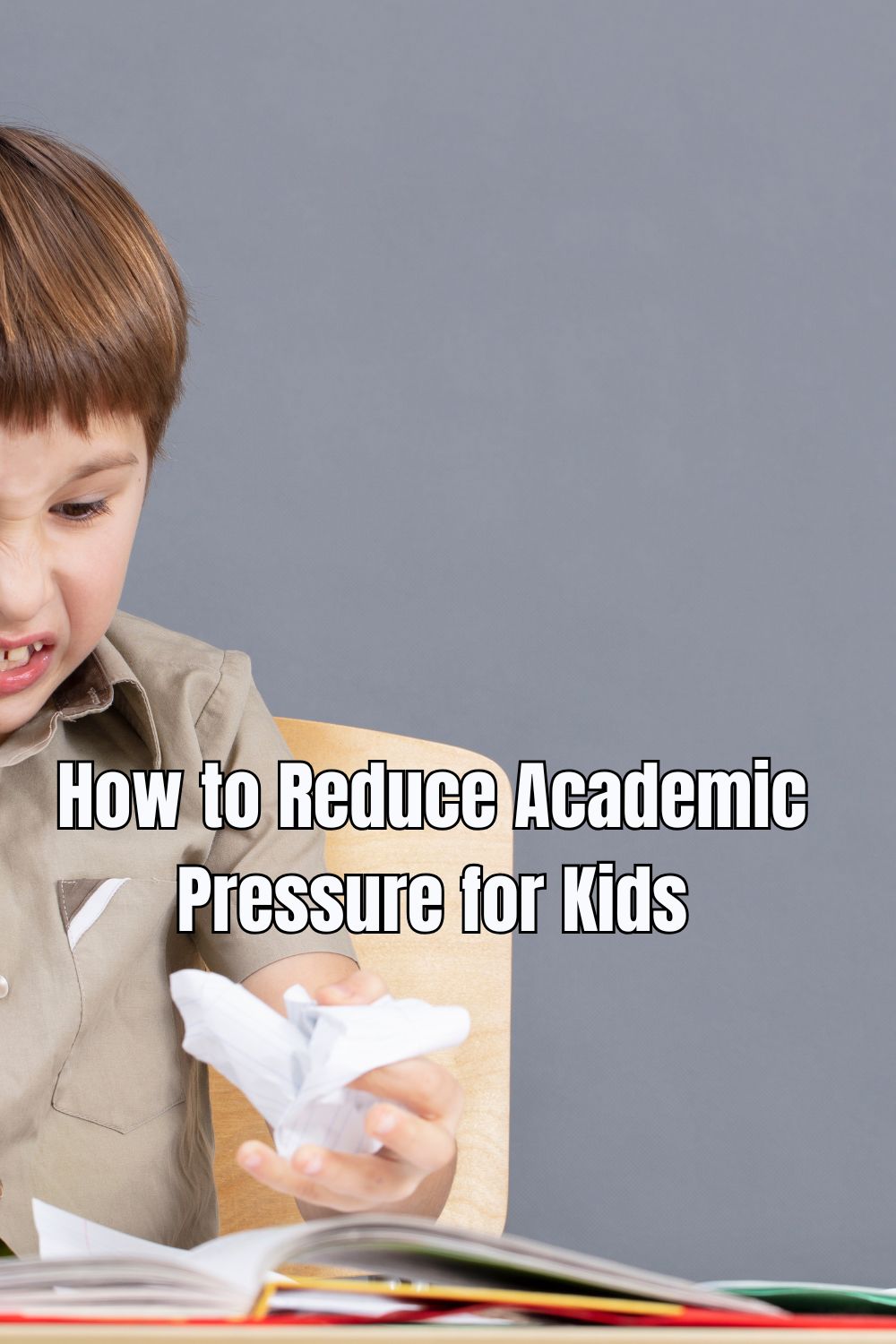
How to Reduce Academic Pressure for Kids
Academic pressure can be overwhelming for children today. They face more competition in school and higher expectations from parents and teachers. Kids often carry the burden of stress from grades, extracurricular activities, and college preparation at a young age. As parents, it is important to understand this challenge and create a supportive environment that encourages learning while allowing children to enjoy their childhood.
This pressure to succeed can lead to anxiety, burnout, and low self-esteem. To help reduce this stress, we need to find effective strategies. Helping kids navigate their academic journey with balance and well-being can make a big difference. Here are some ways to lessen academic pressure for your kids.
Understanding Support Systems
Having a support network is essential for helping children manage their schoolwork. By talking about their school experiences and worries with parents, teachers, or friends, kids can feel relieved. Open communication creates a safe space for children to express their feelings, helping them feel less isolated in their struggles.
Involving children in discussions about their academic goals also makes a difference. When kids set their own goals, they take ownership of their learning. This sense of control can replace pressure with purpose, encouraging them to aim for excellence in a healthier way.
Creating a Healthy Home Environment
Making home a nurturing space can greatly affect how children view their schoolwork. Setting up a dedicated study area free of distractions can boost focus and productivity. To create a calming atmosphere, include uplifting decorations, good lighting, and comfortable seating. This special space encourages kids to engage with their studies while feeling comfortable and secure.
Having a routine helps children manage their time better. Setting aside specific hours for studying, along with breaks for relaxation and fun, provides a balanced view of work and play. Routines help children thrive because they clarify what is expected.
Mindfulness and Stress Management
Incorporating mindfulness activities into daily life can be helpful. Simple actions like breathing exercises, yoga, or meditation can keep children grounded and reduce anxiety. These techniques teach kids to handle their emotions in a healthy way, so they can face academic challenges with a clearer mind.
Encouraging regular physical activity also helps reduce stress. Exercise releases endorphins that improve mood and energy. Activities like sports, dance, or family walks provide a great outlet for emotions and create quality time together.
Working with Tutors
Finding a tutor near me can help ease your child’s academic workload. A good tutor provides personalized help that suits your child’s learning style. This tailored support can make difficult subjects easier to understand, boosting confidence.
Being able to ask questions and make mistakes without the fear of being judged creates a positive learning environment. Tutors can also introduce effective study methods that are beneficial for your child. With this support, kids feel less stressed and have a more enjoyable learning experience.
Benefits of Private Tutoring
Private tutoring offers a great chance for personalized learning. It focuses on the areas where your child needs improvement while strengthening their skills. This custom approach allows your child to master subjects at their own pace, lowering the pressure to keep up with classroom demands. The one-on-one interaction lets them dive deeper into concepts, turning challenges into successes.
Additionally, a good private tutor can become more than just a teacher. They can act as a mentor, boosting your child’s confidence and motivation. This supportive relationship helps kids see learning as a journey, not just a race to get good grades.
Recognizing Achievements
Celebrating achievements, both big and small, helps encourage positive behaviour in children. When they reach a goal, no matter how small, take time to acknowledge their efforts. This practice shifts the focus from grades to personal growth. You can create a reward system to keep your child motivated. Simple rewards, like a fun outing, a favourite treat, or extra screen time, can change how they feel about studying. This nurtures motivation and pride in their accomplishments.
Encouraging Extracurricular Activities
Extracurricular activities allow kids to explore what they enjoy outside the pressures of school. Whether it’s sports, music, or art, these activities give children a creative outlet and help them build social skills. They provide a needed break from academic work, helping kids maintain balance in their lives.
Engaging in hobbies fosters a sense of achievement and promotes a well-rounded approach to success. It also creates opportunities for friendships and support systems that can reduce academic pressure.
Remember that supporting kids through their education doesn’t have to be hard. With the right strategies, parents can help create an environment where learning is enjoyable and rewarding.
Leave A Reply!