Learn how to choose the best teeth whitening method for your smile and avoid costly mistakes related to poor product use.
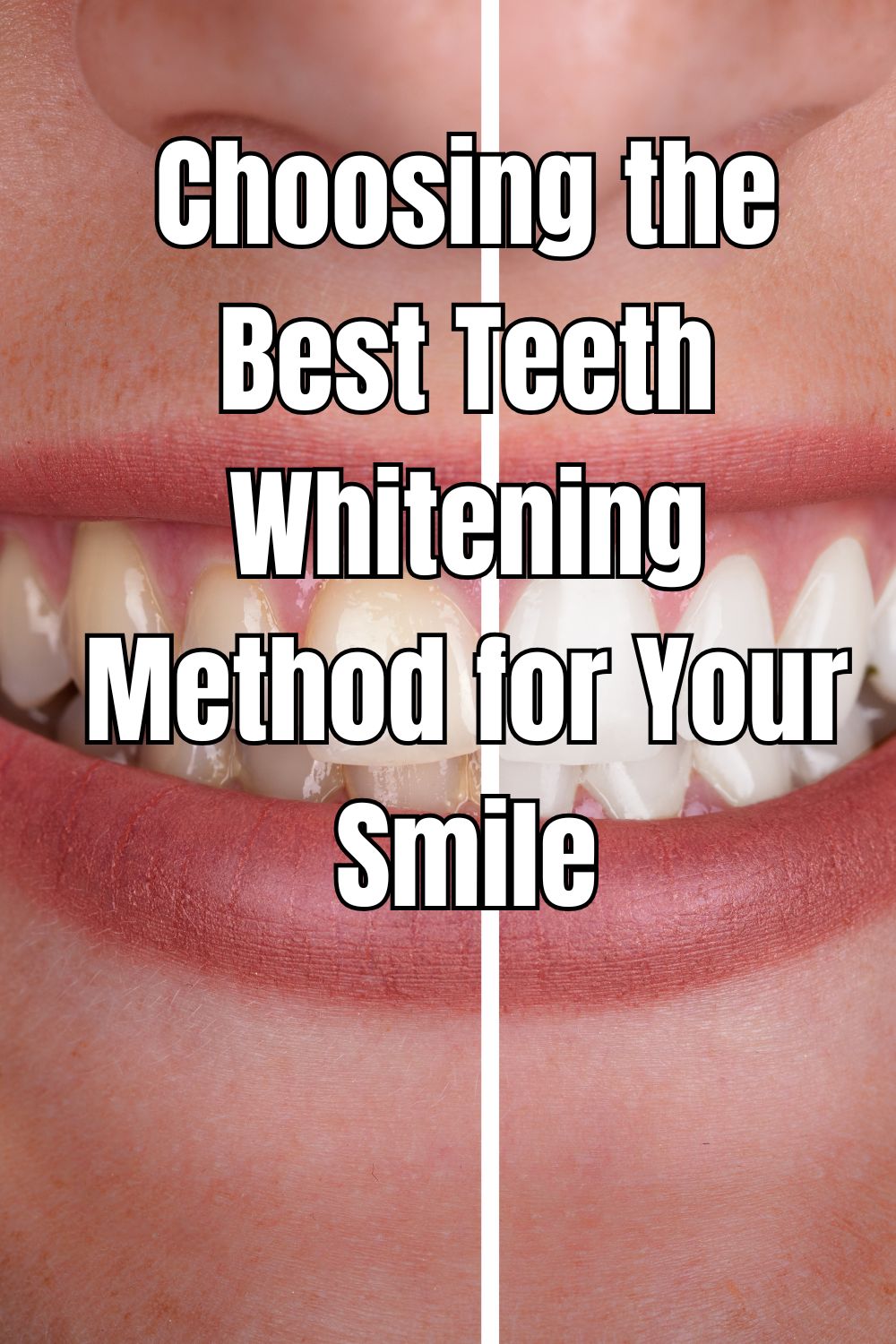
Choosing the Best Teeth Whitening Method for Your Smile
The American Dental Association reports that teeth whitening has become the most requested cosmetic dental procedure, with demand increasing 300% over the past decade. Yet despite this surge in popularity, most people still approach whitening with a trial-and-error mentality — buying whatever’s on sale at the drugstore or booking the first treatment they see advertised online.
This scatter-shot approach comes with real consequences. As dental practices report rising cases of enamel damage from misused products and emergency visits from severe sensitivity reactions, the gap between effective whitening and harmful experimentation continues to widen. The whitening industry now offers everything from professional laser treatments to charcoal toothpastes, but without understanding how these methods actually work, choosing the right approach becomes a expensive guessing game.
For anyone considering whitening their teeth, understanding the science behind different methods — and their very different risk profiles — can mean the difference between achieving your desired results safely and dealing with months of sensitivity or damaged enamel. The key lies not in finding the “best” whitening method, but in finding the best method for your specific situation.
How Do Teeth Whitening Products Actually Work?
Teeth whitening fundamentally operates through a chemical bleaching process, regardless of whether you’re using a dentist’s laser treatment or a drugstore gel. The active ingredients — primarily hydrogen peroxide or carbamide peroxide — penetrate the tooth’s enamel and break down the molecular bonds of stain compounds. Think of it like using bleach on a stained shirt, except your teeth’s porous structure allows the whitening agents to work from the inside out.
The concentration of these peroxides determines both the speed and intensity of results. Professional treatments typically use 15-35% hydrogen peroxide concentrations, while over-the-counter products contain 3-10%. This isn’t just about strength — higher concentrations work faster but require careful application to avoid chemical burns on your gums or excessive enamel exposure.
Carbamide peroxide breaks down more slowly than hydrogen peroxide, making it ideal for longer-wear applications like overnight trays. It converts to hydrogen peroxide and urea once it contacts saliva, providing a sustained whitening effect over several hours. Hydrogen peroxide, on the other hand, works immediately upon application, which is why in-office treatments can show dramatic results in a single session.
Here’s what many people don’t realize: whitening only affects organic stains — coffee, wine, aging, tobacco — that have penetrated the tooth structure. Surface stains from poor oral hygiene respond better to professional cleaning, while intrinsic stains from medications like tetracycline or fluorosis may require alternative cosmetic treatments like veneers. The whitening process temporarily opens the tooth’s pores, making them more susceptible to new stains for 24-48 hours after treatment.
How Do Different Teeth Whitening Methods Compare?
Understanding your options requires looking beyond marketing claims to examine how each method delivers whitening agents to your teeth. The effectiveness, speed, and safety profile vary dramatically between professional treatments, at-home systems, and over-the-counter products.
What Are Professional and In-Office Whitening Options?
Professional whitening treatments offer the highest concentration of active ingredients under controlled conditions, typically achieving 3-8 shades of improvement in a single 60-90 minute session. Dentists use 15-35% hydrogen peroxide gels combined with protective barriers for your gums and specialized lights or heat to accelerate the chemical reaction.
The process begins with a thorough cleaning and gum protection using a rubber dam or protective gel. The whitening agent is applied in 15-20 minute intervals, often with multiple applications during one visit. Some practices use laser or LED light activation, though recent research suggests these lights primarily serve to keep the gel at optimal temperature rather than providing additional whitening benefits.
Custom-fitted trays represent the gold standard for at-home professional whitening. Your dentist creates precise impressions of your teeth, ensuring the whitening gel contacts every surface evenly while minimizing gum exposure. These systems typically use 10-22% carbamide peroxide for overnight wear or stronger concentrations for shorter daily applications. Most patients see significant results within one to two weeks, with the ability to touch up results as needed using the same custom trays.
The main advantage of professional teeth whitening lies in supervision and customization — your dentist can adjust concentrations based on your sensitivity levels and monitor for any adverse reactions during treatment.
What At-Home and Over-the-Counter Methods Are Available?
Over-the-counter whitening strips remain the most popular DIY option, using 6-10% hydrogen peroxide on flexible plastic strips that conform to your teeth. Quality varies significantly between brands, with some providing uneven coverage that can create a patchy appearance. The strips work best for front teeth but often miss the curves and spaces where stains accumulate.
Whitening gels and paint-on treatments offer more precise application but require steady hands and careful timing. These products typically contain 3-6% hydrogen peroxide and must be applied evenly to avoid streaking. The main challenge is keeping the gel in place long enough to work without swallowing it or having it wash away with saliva.
LED whitening kits combine lower-concentration gels with blue light devices, attempting to replicate professional light activation at home. While these kits cost significantly less than dental visits, the light devices often provide minimal actual benefit beyond the gel itself. The one-size-fits-all mouth trays frequently don’t seal properly, leading to gel leakage and gum irritation.
Whitening toothpastes work entirely differently, using mild abrasives and polishing agents to remove surface stains rather than chemically altering tooth color. While they can maintain results from other treatments and prevent new stains, they cannot achieve the dramatic color changes that peroxide-based treatments provide.
What Are the Pros, Cons, and Risks of Teeth Whitening?
The primary benefit of teeth whitening extends beyond aesthetics — people with whiter teeth report increased confidence in professional and social situations, with some studies linking improved dental appearance to better career outcomes. Whitening can also motivate better oral hygiene habits, as people become more invested in maintaining their results.
However, tooth sensitivity represents the most common side effect, affecting roughly 60% of whitening patients to some degree. This occurs because the peroxide temporarily opens the microscopic tubules in your enamel, exposing the underlying dentin layer. The sensitivity usually peaks 24-48 hours after treatment and subsides within a week, but some people experience prolonged discomfort that can last several months.
Gum irritation happens when whitening gel contacts soft tissue, causing temporary inflammation, burning, or white patches along the gum line. Professional treatments minimize this risk through careful isolation, but at-home products require precise application to avoid contact with gums. Overuse of whitening products can lead to a translucent, chalky appearance in the teeth, particularly along the biting edges.
The most serious mistake people make is excessive whitening — using multiple products simultaneously or exceeding recommended treatment times. This can permanently damage enamel, leading to increased sensitivity and a grayish appearance that’s difficult to correct. Whitening also won’t match existing dental work like crowns, fillings, or veneers, potentially creating obvious color discrepancies that require replacement of previous dental work.
People with existing dental problems should address those issues before whitening. Cavities, cracked teeth, or worn enamel can allow whitening agents to penetrate deeper into the tooth structure, causing severe pain and potential nerve damage.
Which Natural and Scientifically Supported Whitening Tips Work Best?
While most “natural” whitening remedies lack scientific support, several evidence-based approaches can safely complement professional treatments or provide modest whitening effects on their own. Oil pulling — swishing coconut or sesame oil for 10-15 minutes daily — has shown some effectiveness in reducing surface stains and improving overall oral health, though the whitening effects are subtle.
Baking soda-based toothpastes offer legitimate whitening benefits through mild abrasion that removes surface stains without the harsh scrubbing of some commercial whitening pastes. Research published in the Journal of Clinical Dentistry confirms that baking soda formulations can remove significantly more plaque and surface stains than regular toothpastes, though they work slowly over months rather than weeks.
Dietary modifications provide the most scientifically sound natural approach. Limiting stain-causing foods and beverages — coffee, red wine, dark berries, tomato sauce — prevents new stains from forming while other treatments work. When you do consume staining substances, drinking through a straw and rinsing with water afterward minimizes contact time with your teeth.
Strawberry and baking soda pastes, despite their popularity on social media, can actually damage enamel due to the fruit’s citric acid content. Similarly, lemon juice, apple cider vinegar, and activated charcoal lack scientific evidence for whitening benefits and may erode enamel with regular use.
The most effective natural strategy focuses on prevention and maintenance rather than active whitening. Regular dental cleanings, proper brushing and flossing, and avoiding tobacco products will maintain your teeth’s natural color and enhance results from any whitening treatment you choose to pursue.
How to Choose the Best Whitening Option for Your Needs
The right whitening method depends more on your specific situation than on which product promises the fastest results. Start by identifying the type and severity of your tooth discoloration — surface stains from coffee or wine respond well to professional cleanings and mild whitening products, while deeper discoloration from aging or genetics typically requires stronger professional treatments.
Your sensitivity tolerance should drive your choice of whitening method. People with naturally sensitive teeth or exposed root surfaces should start with lower-concentration products and gradually increase strength if needed. Custom professional trays allow for the most precise control over concentration and application time, making them ideal for sensitive patients who still want significant results.
Timeline expectations matter significantly. If you need results for a specific event within a week, professional in-office treatments offer the only realistic option. For gradual improvement over several months, at-home products provide more flexibility and lower costs. Custom trays from your dentist offer the best balance — professional-strength results with the convenience of home use.
Consider your existing dental work carefully. Whitening won’t change the color of crowns, veneers, or large fillings, potentially creating obvious color mismatches. If you have significant dental work visible when you smile, consult with a cosmetic dentist about whether whitening alone will achieve your goals or if other treatments might be necessary.
The most successful whitening outcomes happen when people view it as part of a comprehensive oral health strategy rather than a quick cosmetic fix. Regular maintenance, either through touch-up treatments or whitening toothpaste, will be necessary to maintain results regardless of which method you choose initially. The key is finding an approach you can sustain long-term rather than expecting permanent results from any single treatment.
Leave A Reply!