Are you looking for an eye doctor? Check out some tips on How to Choose the Right Ophthalmologist for Your Eye Care Needs
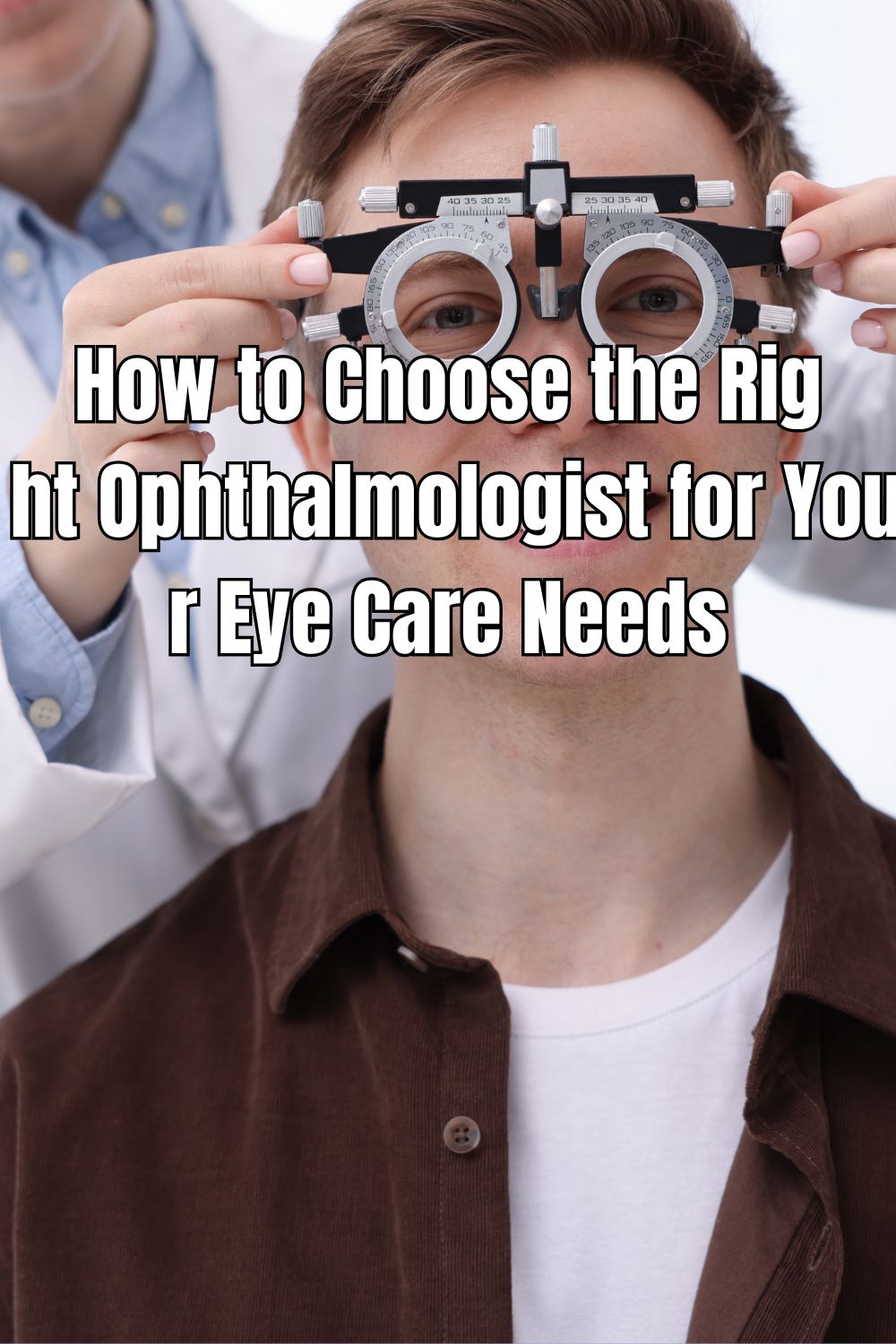
How to Choose the Right Ophthalmologist for Your Eye Care Needs
Most of us don’t think much about our eyes until something feels off. A little blur here, some extra strain after a long day of screens, maybe a headache that won’t quit. If you live in Bellevue and you’ve started wondering whether it’s time to find a real eye doctor, you’re already ahead of the curve. Choosing the right ophthalmologist isn’t complicated, but it does deserve a bit more thought than picking whoever shows up first in a search. Here’s how to do it well.
What an Ophthalmologist Actually Does
An optometrist handles routine vision checks, prescriptions, and basic eye health. An ophthalmologist is a medical doctor who can do all of that and more — diagnosing diseases, managing conditions like glaucoma or cataracts, and performing surgery when it’s needed. If you have a family history of eye disease, live with diabetes, or simply want a doctor who can follow you through whatever comes up, an ophthalmologist is usually the right call.
Why Regular Eye Care Matters More Than People Realize
Here’s something that surprises a lot of people. According to the Centers for Disease Control and Prevention, about 93 million U.S. adults — roughly 4 in 10 — are at high risk for serious vision loss, yet many of them haven’t seen an eye doctor in the past year.
That gap matters because so many eye conditions develop quietly. Glaucoma, for example, can erode your peripheral vision long before you notice anything wrong. Diabetic eye disease often shows no early symptoms at all. Regular visits give a doctor the chance to catch these issues while they’re still treatable, which is the entire point of preventive care.
What to Look for When Choosing Your Eye Doctor
Once you’ve decided to book an appointment, focus on a few practical things. Start with credentials — board certification tells you the doctor has met a high standard of training. Next, think about experience with your specific needs, whether that’s pediatric care, contact lenses, or surgery. Location and availability matter too, since eye care works best as an ongoing relationship rather than a one-time visit.
Patient reviews can help as well, though it’s smart to treat them as a general signal rather than gospel. A practice like Bellevue Precision Vision builds its reputation on consistent, attentive care, and that’s the kind of thing worth confirming before you commit. If you’re searching for an experienced ophthalmologist in Bellevue, look for someone who takes the time to explain your options instead of rushing you out the door.
Questions Worth Asking Before You Decide
- What’s your experience treating my specific concern?
- Will I see the same doctor at each visit?
- What technology do you use for exams and diagnosis?
- How do you handle emergencies or urgent issues?
Good answers feel clear and unhurried. If a doctor seems annoyed by reasonable questions, that tells you something too.
Look at the Whole Practice, Not Just the Doctor
A great eye doctor is only part of the picture. The practice around them matters just as much, because that’s what shapes your day-to-day experience. Pay attention to how easy it is to get an appointment, how the front-desk team treats you on the phone, and whether the office uses modern diagnostic equipment. Up-to-date imaging and testing tools let a doctor spot subtle changes earlier, which is exactly what you want for long-term eye health.
It’s also worth asking how the practice handles continuity of care. Will your records follow you smoothly if you need to see a specialist? Is there a clear plan for follow-ups after a diagnosis or procedure? These details rarely come up in marketing, but they make a real difference once you’re an actual patient rather than a first-time visitor.
Don’t Underestimate Comfort and Communication
Technical skill is essential, but so is the human side. You want a doctor who listens, explains things in plain language, and makes you feel like a person rather than a chart number. A rushed appointment where you walk out more confused than when you came in is a red flag, no matter how impressive the credentials look on paper.
Eye care often spans decades, so finding someone you genuinely trust pays off over time. The best relationships are the ones where you feel comfortable asking “dumb” questions and confident that you’re getting straight answers. That sense of ease is hard to measure, but you’ll usually know it when you feel it during a first visit.
Conclusion
Choosing the right ophthalmologist comes down to matching solid credentials with care that feels personal. Take your time, ask questions, and don’t settle for a practice that treats your vision as an afterthought. Your eyes do a lot of quiet work every single day — picking the right person to look after them is one of the simpler, smarter health decisions you can make. Start sooner rather than later, and your future self will thank you for it.
Leave A Reply!