Make tooth brushing a joyful routine. Discover fun ways to get kids excited about brushing for healthy teeth.
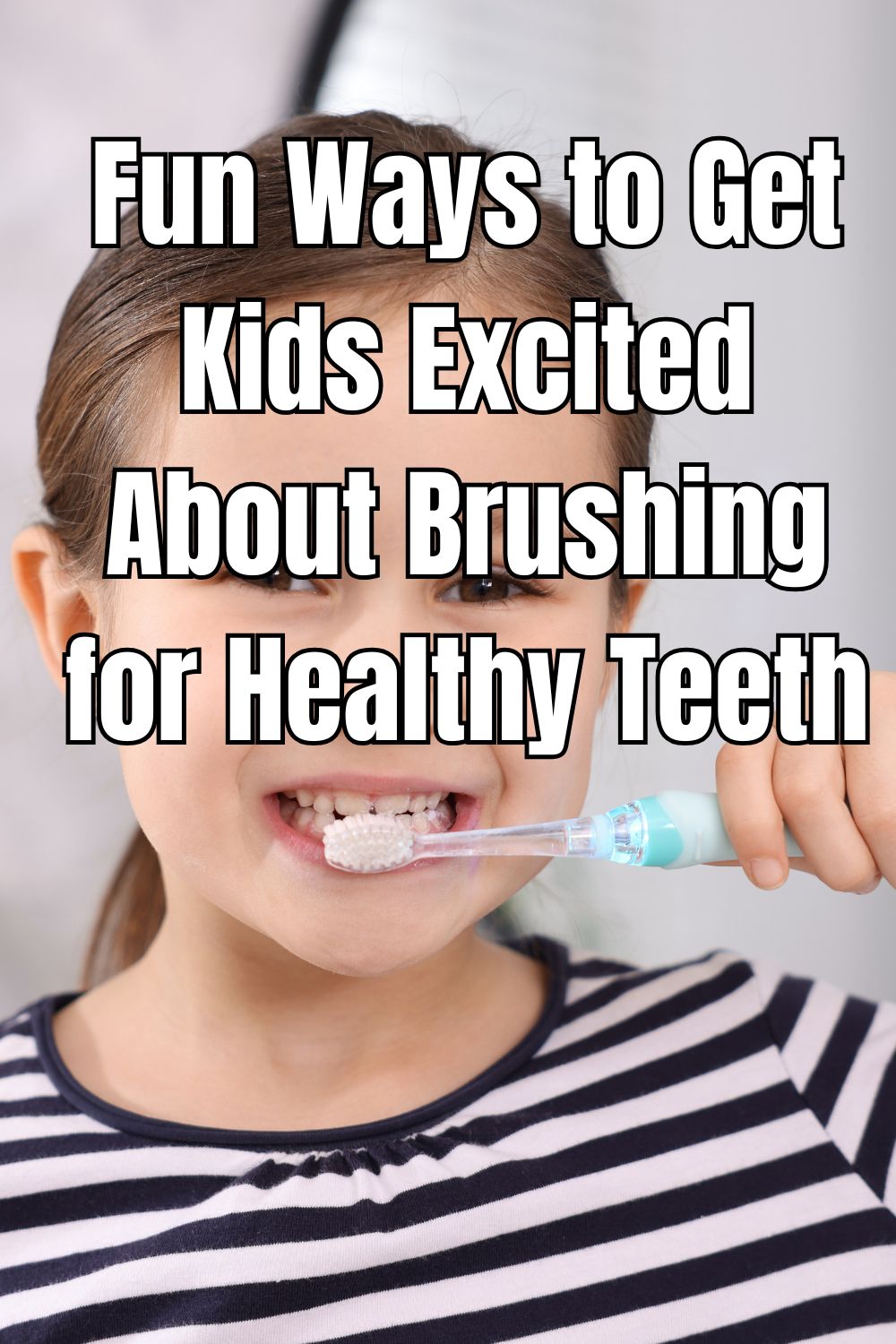
Fun Ways to Get Kids Excited About Brushing for Healthy Teeth
According to the American Dental Association’s 2024 pediatric oral health data, children who develop positive associations with tooth brushing by age four are 60% more likely to maintain consistent oral hygiene habits into their teenage years — yet dental anxiety affects nearly one in five children during routine care. As pediatric dentistry increasingly emphasizes prevention over treatment, the challenge for parents has shifted from simply ensuring kids brush their teeth to making them genuinely want to do it.
The stakes are higher than many families realize. Early childhood represents a critical window when lifelong oral health patterns take shape, and the difference between enthusiastic daily brushing and reluctant compliance can determine whether a child faces years of dental interventions or enjoys naturally healthy teeth. For parents navigating bedtime battles over toothbrushes or dealing with children who hide when it’s time to brush, understanding how to transform oral care from chore to celebration becomes essential.
The strategies ahead focus on practical approaches that work with children’s natural curiosity and desire for fun, rather than against their resistance to routine medical tasks. From interactive games that make two minutes feel like seconds to reward systems that build momentum over time, these methods recognize that sustainable oral health habits start with genuine excitement rather than mere compliance.
Why Building Positive Teeth-Brushing Habits Matters Early
The foundation for lifelong oral health forms during a surprisingly narrow window — roughly between ages two and seven, when children develop their core attitudes toward self-care routines. During this period, the brain creates lasting associations between activities and emotions, which explains why adults who loved brushing as children rarely struggle with consistency, while those who experienced it as punishment or medical drudgery often battle dental anxiety well into adulthood.
Primary teeth serve functions that extend far beyond their temporary nature. These early teeth guide proper speech development, maintain space for permanent teeth, and establish the muscle memory for effective brushing technique. When children develop enthusiasm for caring for their baby teeth, they naturally transfer those skills and attitudes to their permanent teeth as they emerge. Conversely, children who view oral care as something that happens to them rather than something they actively participate in often resist taking ownership of their dental health during the crucial preteen years.
The biological reality compounds this psychological foundation. Children’s developing motor skills make thorough brushing genuinely challenging — their small hands lack the dexterity for proper technique, and their shorter attention spans work against the recommended two-minute duration. When parents approach this challenge with patience and creativity rather than frustration, children learn to associate oral care with positive parental attention and personal accomplishment. This emotional framework becomes the scaffolding that supports consistent habits even when parents aren’t directly supervising.
Consider a typical six-year-old whose permanent molars just erupted behind her baby teeth. These new teeth have deep grooves that trap food particles, making them vulnerable to decay within months if not properly cleaned. If she’s already developed enthusiasm for brushing through fun routines, she’ll naturally extend that care to her new teeth. If brushing has been a daily battle, those crucial molars often don’t receive the attention they need during their most vulnerable period.
The ripple effects extend beyond dental health itself. Children who master self-care routines early develop confidence in their ability to maintain their bodies, setting the stage for healthy habits around nutrition, exercise, and medical compliance throughout their lives.
How to Make Brushing Teeth a Fun Daily Activity
Transforming tooth brushing from obligation to entertainment requires understanding what genuinely motivates children at different developmental stages. Unlike adults, who brush teeth to prevent future problems, children live entirely in the present moment — they need immediate satisfaction, visible progress, and engaging stimulation to maintain interest in any activity for more than a few minutes.
The most effective approaches work with children’s natural inclinations rather than against them. Young children crave routine and predictability, but they also need novelty to prevent boredom. This apparent contradiction resolves when parents create consistent frameworks filled with variable elements — the same basic sequence every day, but with rotating songs, games, or rewards that keep the experience fresh.
Timing plays a crucial role that many families overlook. Children’s energy levels and cooperation vary dramatically throughout the day, and the traditional bedtime brushing session often occurs when kids are tired, cranky, and resistant to any additional tasks. Families who experiment with morning brushing or post-dinner oral care frequently discover their children are more receptive when they’re not fighting fatigue.
Using Interactive Games and Kid-Friendly Tools
Digital integration has revolutionized children’s engagement with routine tasks, and tooth brushing presents ideal opportunities for educational technology. Apps designed specifically for oral care turn the two-minute requirement into an adventure, with characters who get cleaner as children brush or stories that unfold only when the child maintains proper brushing motion. The key lies in choosing apps that require actual brushing rather than just passive screen time — children quickly lose interest in programs that don’t respond to their actions.
Musical timers solve the duration challenge while adding entertainment value. Rather than watching a boring sand timer, children can brush to age-appropriate songs that naturally last two minutes. Some families create custom playlists with different genres for different days — pop music Monday, classical Tuesday — giving children something to anticipate. The rhythm helps children maintain consistent brushing motion while the lyrics provide distraction from any discomfort.
Electric toothbrushes designed for children often include built-in timers, pressure sensors, and even Bluetooth connectivity to smartphone apps that track brushing habits. While these tools cost more than manual brushes, many children find the vibration and automatic timing more engaging than trying to count seconds themselves. The key is selecting brushes with soft bristles and child-sized heads that won’t overwhelm sensitive mouths.
Visual feedback tools, from simple stickers on bathroom mirrors to more sophisticated plaque-disclosing tablets, help children see the immediate results of their brushing efforts. When children can observe the difference between brushed and unbrushed teeth, they develop intrinsic motivation that extends beyond external rewards.
Incorporating Rewards and Consistent Routines
Effective reward systems focus on consistency rather than perfection, acknowledging that building habits requires time and patience. Simple sticker charts work for many families, but the most successful versions track effort rather than just compliance — children earn recognition for trying new techniques, maintaining good attitude, or remembering to brush without reminders, not just for completing the basic task.
The timing of rewards matters more than their size. Immediate recognition — even just enthusiastic praise — reinforces the behavior more effectively than delayed gratification. Some families use “brushing buddies,” special stuffed animals that “watch” children brush and provide encouragement. Others create elaborate stories where clean teeth help characters in ongoing adventures, making each brushing session a chapter in a larger narrative.
Routine structure should remain flexible enough to accommodate different circumstances while maintaining core elements that signal “brushing time” to children. This might mean always starting with the same song, using the same special cup for rinsing, or following the same sequence of teeth (front, back, top, bottom). The predictability helps children feel secure while the embedded fun elements maintain engagement.
Family participation amplifies motivation significantly. When parents brush alongside their children — not just supervising, but actively participating in their own oral care — children perceive brushing as a shared family activity rather than a task imposed upon them. Some families hold “brushing contests” to see who can make the most foam or maintain the best technique, turning individual hygiene into cooperative play.
How Diet and Nutrition Influence Children’s Oral Health
The relationship between what children eat and the health of their teeth operates on multiple levels that extend far beyond the simple “sugar causes cavities” narrative most families understand. While reducing sugary snacks certainly helps, the timing, combination, and context of foods affect child oral health in ways that can either support or undermine even excellent brushing habits.
Acidic foods create temporarily hostile environments in children’s mouths, softening tooth enamel and making it more vulnerable to damage from brushing. This means that children who drink orange juice with breakfast and immediately brush their teeth may actually cause more enamel erosion than if they waited 30-60 minutes. The saliva needs time to neutralize the acid and reharden the enamel surface before mechanical cleaning occurs.
Sticky foods present different challenges than liquid sugars. Dried fruits, gummy vitamins, and even healthy options like raisins cling to tooth surfaces much longer than sodas or candies that children consume quickly. A child who eats a handful of raisins as an afternoon snack may have sugar feeding oral bacteria for hours, while another child who drinks a soda quickly and rinses with water afterward creates a much shorter exposure window.
Protein and calcium-rich foods actively support tooth development and repair processes, but children need adequate amounts during specific windows when their permanent teeth are forming. The permanent teeth that will serve them for life begin developing in infancy, meaning that nutritional deficiencies during toddlerhood can create weaknesses that don’t become apparent until the teen years. Families focusing solely on limiting harmful foods without ensuring adequate beneficial nutrients may miss critical opportunities to support optimal tooth development.
Snacking patterns affect oral health more dramatically than meal composition. Children who graze throughout the day maintain consistently elevated bacteria-feeding conditions in their mouths, while those who eat larger meals with longer gaps between eating give their saliva time to restore healthy pH levels. For families in Willingboro seeking comprehensive approaches to pediatric oral health, Willingboro children’s dentistry providers often emphasize this timing aspect as much as food choices themselves.
The practical implications reshape how thoughtful families approach both nutrition and oral care. Rather than forbidding all treats, many families establish “treat times” that coincide with meals, when increased saliva production helps neutralize acids more effectively. They save water or milk for between-meal drinks, reserving fruit juices for specific occasions rather than continuous sipping throughout the day.
Recognizing Early Dental Issues and Preventive Steps
Early detection of dental problems in children requires parents to understand what normal oral development looks like at different ages, since many warning signs appear long before children experience pain or obvious symptoms. Unlike adults, who typically notice dental problems through discomfort, children often adapt to gradual changes in their mouths without reporting issues until problems become severe.
White spots on teeth represent one of the earliest visible signs of developing decay — essentially the beginning stages of cavities before actual holes form. These chalky areas often appear along the gum line or in the grooves of back teeth, and they’re reversible with proper intervention. However, many parents mistake them for normal variations in tooth color or assume they’ll resolve on their own. When caught at this stage, increased fluoride exposure and modified brushing techniques can actually reharden the affected enamel.
Changes in children’s eating or drinking patterns often signal oral health issues before visual symptoms appear. A child who suddenly prefers soft foods, drinks only lukewarm beverages, or starts chewing primarily on one side may be unconsciously avoiding areas of sensitivity or discomfort. Similarly, children who begin waking up frequently at night or complaining of general “tummy aches” that occur primarily in the morning might be experiencing tooth pain that they can’t articulate clearly.
Gum health indicators in children differ significantly from adult presentations. Healthy gums in kids should be light pink and firm, but many parents don’t realize that consistent bleeding during brushing indicates inflammation rather than overly aggressive technique. Puffy, bright red, or tender gums suggest bacterial buildup that requires professional attention, especially since children’s developing immune systems may not control oral infections as effectively as adult systems.
Prevention strategies work most effectively when implemented before problems develop rather than after issues are detected. Dental sealants applied to newly erupted permanent molars can prevent up to 80% of decay in the deep grooves that children can’t effectively clean with brushing alone. These thin plastic coatings work particularly well for children who struggle with thorough brushing technique or have naturally deep tooth grooves.
Fluoride applications — whether through professional treatments, prescription toothpastes, or community water fluoridation — provide systemic protection that supports tooth development from within. However, the timing and dosage require professional guidance, since too much fluoride during tooth development can cause cosmetic issues, while too little provides inadequate protection during vulnerable periods.
Ways to Help Children Overcome Dental Anxiety and Resistance
Dental anxiety in children often stems from fear of the unknown rather than actual negative experiences, which means that preparation and familiarity building work more effectively than reassurance alone. Children who resist brushing at home frequently carry those same fears into dental office settings, creating cycles where poor home care leads to more extensive dental work, which reinforces anxiety about oral care in general.
Gradual exposure techniques help children build comfort with oral care activities before they become necessary for health reasons. This might involve letting children explore dental tools during non-brushing times, practicing opening their mouths wide while looking in mirrors, or role-playing dental visits with dolls or stuffed animals. The goal is making oral care activities feel familiar and predictable rather than surprising or invasive.
Communication strategies significantly impact children’s cooperation with both home brushing and professional dental care. Rather than using euphemisms or avoiding discussion of what will happen, effective approaches involve honest, age-appropriate explanations that help children understand the purpose behind uncomfortable sensations. For example, explaining that “the cleaning tool will make a buzzing sound and spray water to wash away bacteria” helps children prepare for the experience rather than being startled by unexpected sensations.
Sensory considerations play crucial roles in children’s acceptance of oral care activities. Some children have heightened sensitivity to textures, tastes, or sensations that make standard toothbrushes or toothpastes genuinely uncomfortable rather than simply annoying. Experimenting with different bristle textures, handle sizes, toothpaste flavors, or even brushing techniques can resolve resistance that parents might otherwise interpret as defiance or laziness.
Professional behavior management in pediatric dental offices has evolved to recognize that children’s emotional comfort directly affects their long-term oral health outcomes. Practices that specialize in working with anxious children often use techniques like “tell-show-do” approaches, where practitioners explain procedures, demonstrate them on models, and then perform them gradually. They might also offer sensory breaks, alternative seating positions, or even sedation options for children whose anxiety prevents necessary treatment.
The most successful anxiety reduction approaches focus on building children’s sense of control and competence rather than just managing their fear. Children who learn to signal when they need breaks, participate in choosing treatment timing, or help with simple aspects of their care develop confidence that transfers to other medical situations throughout their lives.
Smart preparation for dental visits involves practicing at home without the pressure of actual oral care needs. Families might visit dental offices for “happy visits” where children simply explore the environment, meet staff members, and become familiar with sounds and smells before any treatment becomes necessary. These positive early experiences create foundation memories that support cooperation during future visits when actual dental work is required.
Rather than viewing dental anxiety as something children should simply overcome, the most effective long-term strategies recognize it as valuable information about their comfort needs and work systematically to address underlying concerns while building positive associations with oral care activities.
Leave A Reply!