Explore fun family activities that help create lasting memories without the need for elaborate planning or expensive outings.
 Stock photo via Dreamstime.com
Fun Family Activities That Help Create Lasting Memories
Family memories are rarely built from perfection. They usually come from small shared moments that feel warm, funny, unexpected, or meaningful long after the day itself has passed. A living room dance party, a pancake breakfast that goes slightly sideways, a road trip sing-along, a backyard movie under blankets, these are the kinds of moments that tend to stick. They become the stories families retell for years.
In busy households, it is easy to assume that lasting memories require expensive vacations, elaborate planning, or packed calendars full of events. But more often, what children and adults remember most are the simple activities that create connection. Shared time, laughter, traditions, and a little bit of novelty can turn an ordinary afternoon into something memorable.
That is good news for families trying to be more intentional without adding more pressure. You do not need to become a cruise director with a color-coded clipboard. You just need a few easy, enjoyable ways to be together in a more present and playful way. Here are fun family activities that can help create lasting memories at home, around town, and during the everyday flow of life.
Cook Something Together
Cooking as a family can be messy, slow, and occasionally flour-based chaos, which is part of the charm. Preparing food together gives everyone a shared task and often creates a relaxed environment for conversation, joking, and teamwork.
This does not have to mean making a complicated holiday feast. Homemade pizza night, taco night, pancakes for dinner, cookies, smoothies, or build-your-own sandwiches can all work beautifully. Younger children can stir, sprinkle, or help arrange ingredients. Older kids can measure, chop with supervision, or take charge of one part of the meal.
The real memory often comes from the little details. Somebody adds too many chocolate chips. Someone flips a pancake with suspicious confidence. A child proudly presents a lopsided pizza like it belongs in a museum. Those moments become part of the family story.
Cooking together also creates traditions naturally. Friday pizza night or Sunday baking can become something everyone looks forward to, and traditions are one of the quiet engines of memory.
Have Regular Family Movie Nights
Movie nights may sound simple, but that is exactly why they work. They create a dependable pocket of togetherness that feels fun without requiring much planning. A weekly or monthly movie night can become a comforting ritual, especially when families add a few personal touches.
You might rotate who chooses the movie, make popcorn, build blanket forts, wear pajamas, or theme the snacks to match the film. Even a basic setup can feel special when it happens regularly and everyone knows it is family time.
The memory is not always the movie itself. It might be the way everyone squeezed onto one couch, the ridiculous commentary from one sibling, or the time the dog stole half the popcorn and briefly became the main character. Shared entertainment has a way of creating easy connection, especially after a long week.
Explore the Outdoors
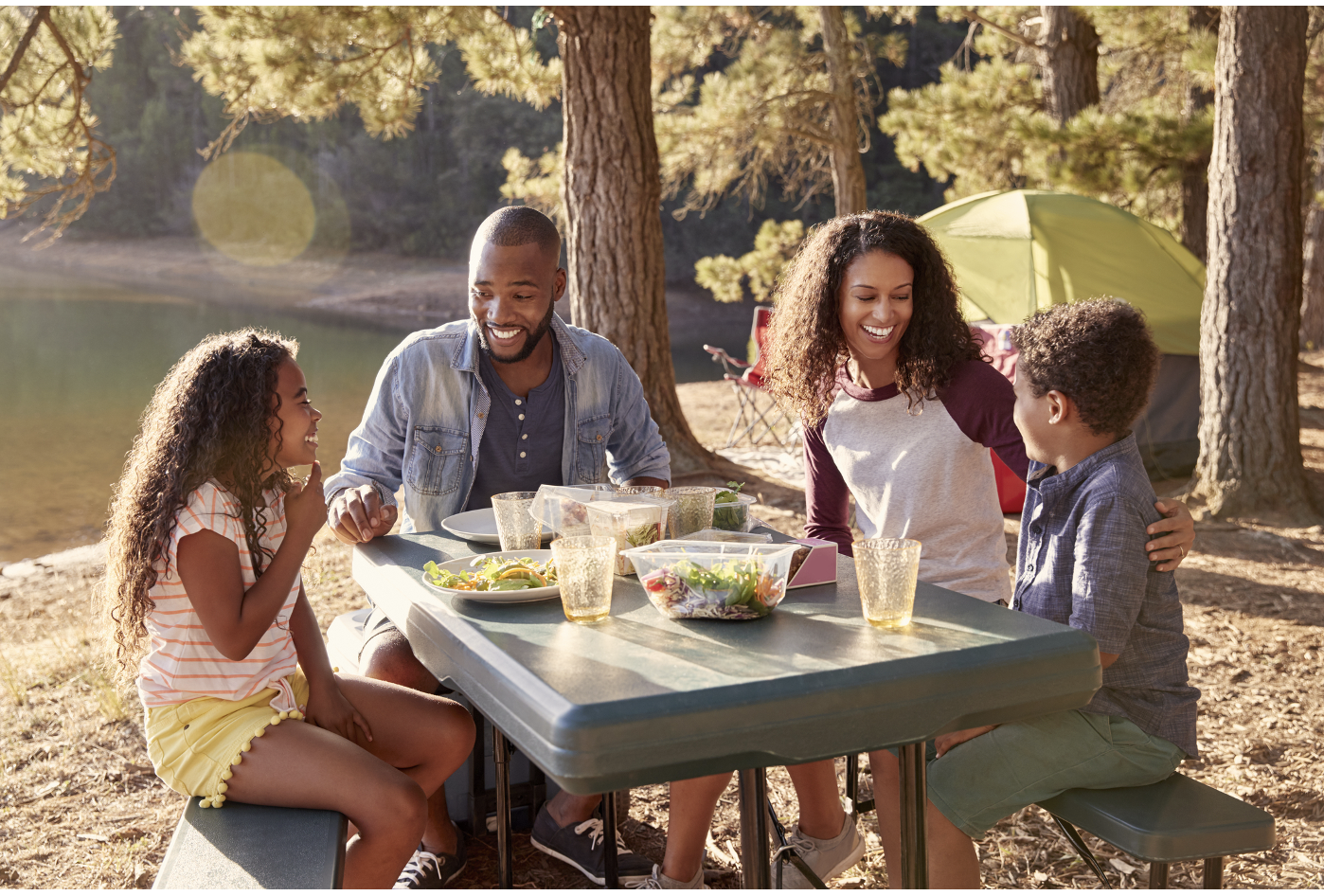
Nature has a sneaky talent for making moments feel bigger. A simple outing outdoors can create the kind of family memories that linger because they engage the senses and break the normal routine. You do not need to live near mountains or plan a grand expedition. Parks, trails, lakes, beaches, backyards, and neighborhood walks all count.
Go on a family hike, have a picnic, fly kites, collect leaves, search for bugs, ride bikes, or watch a sunset together. For younger children, even a scavenger hunt around the block can feel like an epic quest. For older kids, geocaching, kayaking, or stargazing can add an extra layer of interest.
Outdoor activities often work so well because they invite both conversation and spontaneity. There is room to talk, but there is also room for quiet observation, running around, and unexpected discoveries. A strange-shaped cloud, a frog by the path, a tree perfect for climbing, these tiny things can become memorable because they happened together.
Start a Family Tradition
Traditions give family life a rhythm, and that rhythm helps memories take root. A tradition does not need to be formal or tied to a holiday. It can be a small repeated activity that belongs uniquely to your family.
Maybe it is Saturday morning donuts, a first-day-of-summer picnic, decorating cookies every December, making breakfast in bed for birthdays, or taking one silly photo on every road trip. Maybe it is a special song played on the way to school or a tradition of reading one favorite book every rainy day.
What makes traditions powerful is not complexity but consistency. They create a sense of belonging. Children begin to feel, this is what our family does. Over time, those repeated moments become some of the strongest and sweetest memories because they are linked to comfort, identity, and anticipation.
Make Room for Creative Projects
Creative family activities have a special kind of magic because they produce both an experience and a keepsake. Painting, crafting, decorating, building, gardening, scrapbooking, or even making silly homemade costumes can be memorable because everyone is contributing something of themselves.
You do not need to be especially artistic. The goal is not museum quality. The goal is shared fun. Paint flowerpots, make holiday ornaments, build cardboard castles, create family vision boards, decorate cupcakes, or put together a photo collage from a recent trip.
One especially meaningful idea is to create a family memory box or scrapbook together. Add ticket stubs, notes, printed photos, drawings, postcards, and little souvenirs from everyday life. Looking back through it later becomes its own family activity, like opening a tiny time capsule packed with laughter.

Play Games Everyone Can Join
Board games, card games, charades, trivia, bingo, hide-and-seek, and backyard games all help create shared experiences with plenty of room for laughter. Games can become memorable because they produce stories almost automatically. Someone gets wildly competitive over a children’s game. Someone invents a rule that nobody remembers approving. Someone celebrates a tiny victory like they just won an international tournament.
Choose games that fit your family’s ages and personalities. Cooperative games can work especially well when you want connection without too much sibling warfare. Fast, easy games are often better than long complicated ones, especially with younger children.
You can also invent your own games. A family talent show, minute-to-win-it challenges, indoor obstacle courses, or made-up trivia about each other can become legendary with very little setup. It is less about the game itself and more about the shared energy it creates.
Take Small Adventures Close to Home
Families sometimes overlook the memory potential of local adventures because they do not feel dramatic enough. But small outings can become just as meaningful as bigger trips when approached with a little curiosity.
Visit a museum, try a new ice cream shop, ride a train, go to a farmers market, explore a botanical garden, spend a day at the zoo, or be tourists in your own town. Even choosing a neighborhood you do not usually visit and making a day of it can feel fresh and memorable.
Children often do not measure the value of an activity by distance or cost. They measure it by attention, novelty, and whether it felt fun or special. A day trip with snacks, a few laughs, and something new to see can land in memory just as firmly as a far more expensive outing.
Volunteer Together
Some family memories are built through fun, and some are built through meaning. Volunteering together can do both. Helping others gives children a chance to feel useful and connected to something bigger than themselves, and it often leads to thoughtful family conversations.
You might help at a food pantry, participate in a neighborhood cleanup, donate toys, make care packages, bake for a neighbor, or support an animal shelter. The activity does not need to be large. What matters is doing it together and talking about why it matters.
These experiences often become memorable because they combine action and values. Children remember how it felt to help. They remember the people, the purpose, and the sense that their family stood for something kind.
Go Screen-Free for a Few Hours
Technology can entertain, distract, and fill silence with impressive efficiency. But some of the richest family memories come when screens step aside long enough for boredom to bloom into creativity. A screen-free afternoon or evening can open space for conversation, imagination, and more spontaneous play.
This could mean putting phones away and doing a family challenge like building the best blanket fort, making up a skit, telling stories by flashlight, or spending the evening outside. At first, some family members may react as if you have proposed living in a cave with no Wi-Fi and only acorns for snacks. Give it a minute. Often the resistance fades once everyone gets into the activity.
A screen break helps create a different texture of time. Moments feel slower, fuller, and easier to remember because attention is less fragmented.
Celebrate the Ordinary in Fun Ways
Not every memorable family activity has to be saved for weekends, holidays, or school breaks. Some of the best memory-making happens when ordinary days get a little sparkle added to them. This is where simple creativity shines.
Have breakfast for dinner. Turn bath time into glow-stick night. Eat dessert first once in a while. Hold a living room campout. Make a random Tuesday “fancy dinner” where everyone dresses up for spaghetti. Take a night walk with flashlights. Have a no-reason dance party while folding laundry.
These playful twists work because they surprise the day. They transform the routine into something just unusual enough to become memorable. Children especially love the feeling that something unexpected and delightful has happened in the middle of normal life.
Capture Memories Without Overproducing Them
It is natural to want photos of family moments, and pictures can be wonderful memory keepers. But memory-making gets thinner when everyone is focused on staging life instead of living it. Try to capture a few moments without turning every activity into a production with twelve retakes and a missing shoe crisis.
Take some candid photos. Let kids use an instant camera sometimes. Keep a simple family journal where you write down funny things people said, places you went, and little highlights from the month. These small records become treasures later.
The key is balance. A few photos can preserve a memory. Too much documentation can flatten it into performance. The goal is to enjoy the moment first and record it second.
Let Kids Help Choose the Fun
Families build stronger memories when children feel like participants, not just passengers. Letting kids help choose activities gives them ownership and often leads to more excitement and engagement. Ask for ideas. Rotate who gets to pick the weekend outing or Friday night activity. Create a family “fun jar” with simple ideas written on slips of paper and pull one out when you want something to do.
Children may come up with surprisingly memorable ideas. A backyard picnic in pajamas. A scavenger hunt with ridiculous clues. A contest to build the best paper airplane fleet in the living room. Their ideas may not always be polished, but they often come packed with enthusiasm, which is half the recipe for a good memory.
Why the Small Moments Matter Most
When people think back on childhood or family life, the memories that last are often not the most expensive or polished ones. They are the moments that felt alive. The jokes in the kitchen. The annual tradition everyone counted on. The game night that got too loud. The camping trip where it rained and somehow that made it better. The evening walk, the birthday pancakes, the movie with too much popcorn and not enough space on the couch.
These moments endure because they carry emotion. They make people feel connected, seen, included, and happy. That is what gives a memory its staying power.
The beautiful thing is that families do not need to wait for ideal circumstances to begin creating these moments. You do not need more money, more free time, or a better season of life before you can make meaningful memories. You just need a little intention and a willingness to say yes to some simple fun.
Creating a Family Life Worth Remembering
Fun family activities do more than fill time. They shape the tone of home. They create inside jokes, traditions, comfort, and connection. They remind everyone that even in the middle of busy schedules and everyday responsibilities, there is still room for play.
The memories that matter most are usually built slowly, one shared experience at a time. One baking night. One board game. One picnic. One silly tradition that somehow lasts for ten years. These small moments gather like fireflies in a jar, glowing brighter as time goes on.
In the end, creating lasting family memories is not about producing a perfect life. It is about noticing opportunities for togetherness and making the most of them. A little fun, a little intention, and a little shared time can leave a surprisingly beautiful trail behind.
Leave A Reply!