Transform orthodontic treatment into a fun journey with our Orthodontic Care Guide for Children. Manage challenges effectively.
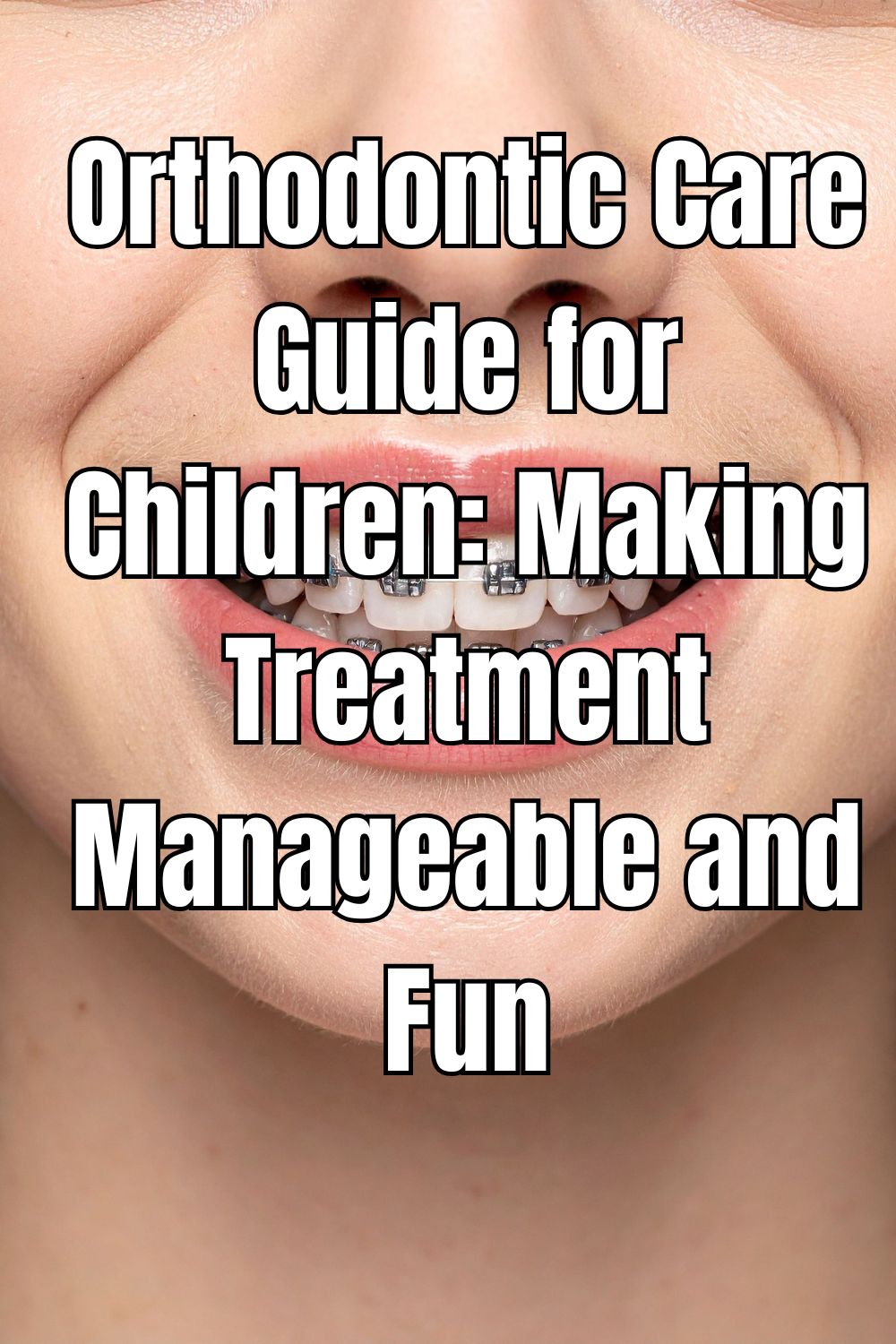
Orthodontic Care Guide for Children: Making Treatment Manageable and Fun
The American Academy of Pediatric Dentistry reports that one in three children will need orthodontic treatment by age 12 — yet the experience doesn’t have to be the ordeal many parents fear. As orthodontic technology advances and treatment approaches become more child-friendly, the biggest factor in successful outcomes often isn’t the hardware itself, but how well families navigate the emotional and practical challenges along the way.
For parents facing this journey, the stakes are higher than just straight teeth. Early orthodontic problems can affect speech development, self-confidence, and long-term oral health. But when approached thoughtfully, orthodontic treatment becomes an opportunity to teach children responsibility, resilience, and proper self-care habits that last a lifetime. Understanding how to support your child through this process — from recognizing early warning signs to making daily care routines engaging — can transform what feels like a medical necessity into a positive growth experience for the whole family.
Why Early Orthodontic Care Matters for Children
Most parents don’t realize they’re looking at two entirely different treatment windows when it comes to children’s orthodontics. The first opportunity opens around age seven, when the jaw is still growing and developing — a phase orthodontists call “interceptive treatment.” Miss this window, and you’re working within the constraints of a jaw that’s largely finished developing, often requiring more complex and lengthy interventions later.
Early orthodontic evaluation catches problems while they’re still manageable. Consider a child whose upper jaw is growing too narrow compared to the lower jaw. At age eight, an orthodontist can use a palatal expander to gently encourage proper jaw development over several months. Wait until age fourteen, and the same correction might require surgical intervention combined with years of braces. The jaw bones fuse around puberty, closing the door on many non-invasive options.
Interceptive treatment addresses specific developmental issues before they compound. Chronic thumb sucking might seem harmless, but it can push front teeth forward and narrow the upper arch. Early intervention — whether through habit-breaking appliances or behavioral modification — prevents these changes from becoming permanent skeletal problems. Similarly, losing baby teeth too early can allow permanent teeth to drift into the wrong positions, creating crowding issues that wouldn’t have existed otherwise.
The psychological benefits of early treatment often outweigh the physical ones. Children who receive timely orthodontic care avoid the self-consciousness that comes with severe crowding or protruding teeth during socially critical middle school years. They enter adolescence with improved confidence, and when comprehensive treatment is needed later, it’s typically shorter and less noticeable because the foundation work was completed earlier.
Parents frequently worry about putting young children through orthodontic treatment, but research consistently shows that interceptive care reduces overall treatment complexity. The child who wears a retainer at age eight for six months often avoids two years of full braces as a teenager.
How Parents Can Identify Orthodontic Problems in Kids
The signs that warrant an orthodontic evaluation aren’t always obvious, and many parents miss early indicators because they’re watching for dramatic problems like severely crooked teeth. But orthodontic issues often announce themselves through subtler behavioral and physical patterns that occur during everyday activities.
Breathing and sleeping patterns reveal significant clues. A child who consistently breathes through their mouth — especially during sleep — may be compensating for airway restrictions caused by jaw development issues. Mouth breathing contributes to dry mouth, increases cavity risk, and can actually alter facial growth patterns over time. Snoring in children, while sometimes dismissed as normal, often indicates airway problems that orthodontic intervention can address.
Eating habits provide another diagnostic window. Children who consistently chew on one side, avoid certain textures, or complain that their jaw hurts during meals might be unconsciously adapting to bite problems. A crossbite, where upper and lower teeth don’t align properly, forces children to shift their jaw sideways to chew effectively — a compensation that can lead to jaw joint problems if left untreated.
Speech development delays sometimes trace back to orthodontic issues. Persistent lisping beyond age five, difficulty pronouncing certain consonants, or a tendency to thrust the tongue forward while speaking can indicate that tooth position is interfering with proper tongue placement. While speech therapy helps with technique, orthodontic correction often addresses the underlying structural cause.
Physical signs become more obvious as permanent teeth emerge. Severe crowding, where teeth overlap significantly or erupt in completely wrong positions, signals insufficient space in the jaw. Baby teeth that fall out very early — more than a year before the permanent replacement is ready — create spacing problems. Conversely, baby teeth that refuse to fall out when permanent teeth are trying to erupt can force the new teeth into problematic positions.
Parents should also watch for habits that affect development. Thumb sucking past age five, chronic nail biting, or persistent pacifier use can alter jaw growth patterns and tooth positioning. The earlier these habits are addressed, the less likely they are to cause permanent structural changes.
Which Orthodontic Treatment Options Work Best for Children
Orthodontic appliances for children fall into three main categories, each designed for specific developmental stages and problem types. Understanding how these treatments work mechanistically helps parents make informed decisions and set realistic expectations for their child’s journey.
Traditional metal braces remain the gold standard for comprehensive orthodontic correction in children, particularly when significant tooth movement is required. The system works through controlled, continuous pressure applied by archwires threaded through brackets bonded to each tooth. Modern braces are considerably smaller and more comfortable than previous generations, and the wires are designed to maintain gentle, consistent force as teeth gradually shift into proper positions.
For children, traditional braces offer several advantages beyond effectiveness. They’re fixed appliances, eliminating compliance issues that arise with removable options. They can address complex three-dimensional tooth movements that other systems struggle with. Most importantly, they’re highly visible to parents and orthodontists, making progress easy to monitor and problems easy to spot quickly.
Clear aligners designed specifically for children represent a newer category that bridges the gap between adult aligner systems and traditional braces. These aren’t simply scaled-down versions of adult aligners — they’re engineered to accommodate growing jaws and erupting teeth. The treatment involves a series of custom-made, clear plastic trays that gradually move teeth through precisely planned stages.
The success of aligners in children depends heavily on compliance and maturity level. Children must wear the aligners 20-22 hours daily, removing them only for eating and brushing. They need to be responsible for keeping track of the trays and switching to new ones on schedule. For motivated children who can handle this responsibility, aligners offer the advantage of better oral hygiene and fewer dietary restrictions during treatment.
Functional appliances target jaw growth and development rather than individual tooth movement. These include palatal expanders, which gradually widen narrow upper jaws, and growth modification appliances that encourage proper jaw relationships during peak growth periods. A palatal expander, for instance, applies gentle pressure to the mid-palatal suture, encouraging the two halves of the upper jaw to separate and develop more width over several months.
The timing of functional appliances is critical — they work with natural growth spurts rather than against finished development. Children’s orthodontic treatment often combines functional appliances during the growth phase with comprehensive braces later to fine-tune individual tooth positions.
Treatment choice depends on the specific problem, the child’s age and maturity, and family lifestyle factors. Complex bite problems typically require traditional braces, while mild crowding in responsible older children might be addressed successfully with aligners. Many children benefit from a two-phase approach: functional appliances during the growth years, followed by comprehensive treatment once all permanent teeth have erupted.
How Parents Can Support Children During Orthodontic Care
Supporting a child through orthodontic treatment requires balancing practical management with emotional encouragement. The most successful outcomes occur when parents approach the process as a team effort rather than something happening to their child, creating systems that make daily care manageable while building confidence and responsibility.
Managing Pain and Oral Hygiene with Braces
The first few days after braces are placed test every family’s patience and problem-solving skills. Children experience soreness as teeth begin to move, and normal eating and brushing routines become complicated by new hardware in their mouth. Pain management works best when parents prepare rather than react. Soft foods for the first few days — smoothies, mashed potatoes, soup, pasta — prevent additional pressure on already tender teeth. Over-the-counter pain relievers taken before adjustment appointments can minimize discomfort proactively.
Wax becomes a essential tool for managing bracket irritation against cheeks and lips. Teaching children to apply wax properly takes practice, but it prevents the mouth sores that can make eating uncomfortable for weeks. Many families find that setting up a “braces kit” with wax, pain relievers, and lip balm in the child’s backpack prevents school-day crises.
Oral hygiene with braces requires completely relearning brushing and flossing techniques. Plaque accumulates around brackets within hours, and food particles lodge in spaces that were never problems before. The most effective approach involves breaking brushing into steps: brush above the brackets angling down, brush below the brackets angling up, then brush the chewing surfaces. Water flossers designed for braces users can replace traditional floss threading, which most children find frustrating and time-consuming.
Creating visual systems helps children master new routines. Some families use bathroom mirrors with tape marks showing proper brush angles, while others set timers to ensure adequate brushing time. The goal is making thorough cleaning feel automatic rather than overwhelming.
Encouraging Positive Attitudes and Compliance
Children’s attitudes toward orthodontic treatment often mirror their parents’ approach, making parental mindset crucial to success. Framing treatment as something special rather than something difficult sets the foundation for cooperation. Many families find that involving children in treatment decisions — choosing colored bands, learning about how teeth move, tracking progress with photos — transforms passive patients into engaged participants.
Compliance challenges vary by age and personality. Younger children often embrace rubber band wear and appliance schedules if turned into games or incorporated into existing routines. Older children and teenagers may resist visible appliances or feel self-conscious about dietary restrictions. Understanding these developmental differences helps parents tailor their approach.
Reward systems work when they acknowledge effort rather than just results. Successful rubber band wear for a week might earn movie night, while consistent good oral hygiene could lead to choosing the next bracket colors. The key is celebrating the daily work of orthodontic care, not just the final outcome months or years away.
Progress tracking keeps motivation high during long treatment periods. Monthly photos showing gradual improvement help children see changes that feel invisible day-to-day. Some orthodontists provide apps that track treatment milestones, turning the process into a progression game. When children understand they’re actively building something rather than just enduring something, compliance improves dramatically.
Building independence gradually prepares children for lifelong oral health responsibility. Starting with parents supervising every brushing session and gradually transitioning to spot-checks teaches thorough technique while fostering autonomy. By treatment’s end, children should own their oral care routine completely.
How Diet and Lifestyle Influence Orthodontic Outcomes
Orthodontic treatment succeeds or struggles based on factors that extend far beyond the appliances themselves. Daily habits, dietary choices, and lifestyle patterns either support the careful biomechanical work of moving teeth or actively work against it. Understanding these connections helps families make decisions that accelerate treatment and prevent setbacks.
Dietary impact on orthodontic progress operates through multiple mechanisms. Hard, sticky, or chewy foods can damage brackets and wires, causing emergency appointments and treatment delays. But the effects go deeper than just appliance breakage. High-sugar diets create acid production around brackets, leading to demineralization and white spot lesions that become permanent stains after braces removal. The combination of brackets creating new plaque retention areas and increased sugar consumption creates a perfect storm for tooth decay during treatment.
Foods that require excessive force to bite — like whole apples, corn on the cob, or thick pizza crusts — can shift teeth in unintended directions or loosen carefully calibrated appliances. Families often find success by modifying rather than eliminating favorite foods: cutting apples into slices, removing corn from the cob, and choosing thin-crust pizza options.
Habit modification becomes essential when behaviors actively oppose orthodontic goals. Nail biting applies irregular forces to front teeth, counteracting the precise movements orthodontists engineer. Pen chewing, ice crunching, and using teeth as tools create similar problems. Chronic mouth breathing during treatment can alter tongue posture and jaw development, sometimes requiring concurrent therapy with speech pathologists or myofunctional therapists.
Sleep position influences orthodontic outcomes more than most families realize. Children who sleep consistently on their stomach with their face pressed into pillows can create pressure that opposes tooth movement. Side sleeping with hands pressed against the jaw can have similar effects. While completely controlling sleep position isn’t realistic, awareness helps families understand why progress might vary.
Hydration and oral environment management supports orthodontic treatment through multiple pathways. Adequate water intake helps clear food particles and bacteria from around appliances, while chronic dehydration contributes to dry mouth conditions that increase decay risk. Some children find that carrying water bottles specifically for rinsing after meals and snacks helps maintain cleaner mouths between brushing sessions.
The most successful orthodontic families develop systems that work with their lifestyle rather than against it. This might mean packing braces-friendly lunches for school, establishing post-meal rinsing routines, or creating reward systems for breaking problematic habits. The goal is making orthodontic-friendly choices feel natural rather than restrictive, setting children up for success during treatment and beyond.
Final Thought
The journey through pediatric orthodontics teaches families far more than how to care for braces or aligners. Children who navigate orthodontic treatment successfully often emerge with enhanced self-discipline, better oral health habits, and increased confidence in their ability to commit to long-term goals. For parents, the process offers opportunities to model patience, celebrate gradual progress, and demonstrate that investing in health and self-care creates lifelong benefits. As your child’s treatment progresses, remember that the skills they’re building — consistency, responsibility, and resilience — will serve them well beyond the day their braces come off.
Leave A Reply!