Explore Fixer-Upper Burnout: Learn when to sell your home instead of facing endless renovations and mounting frustrations.
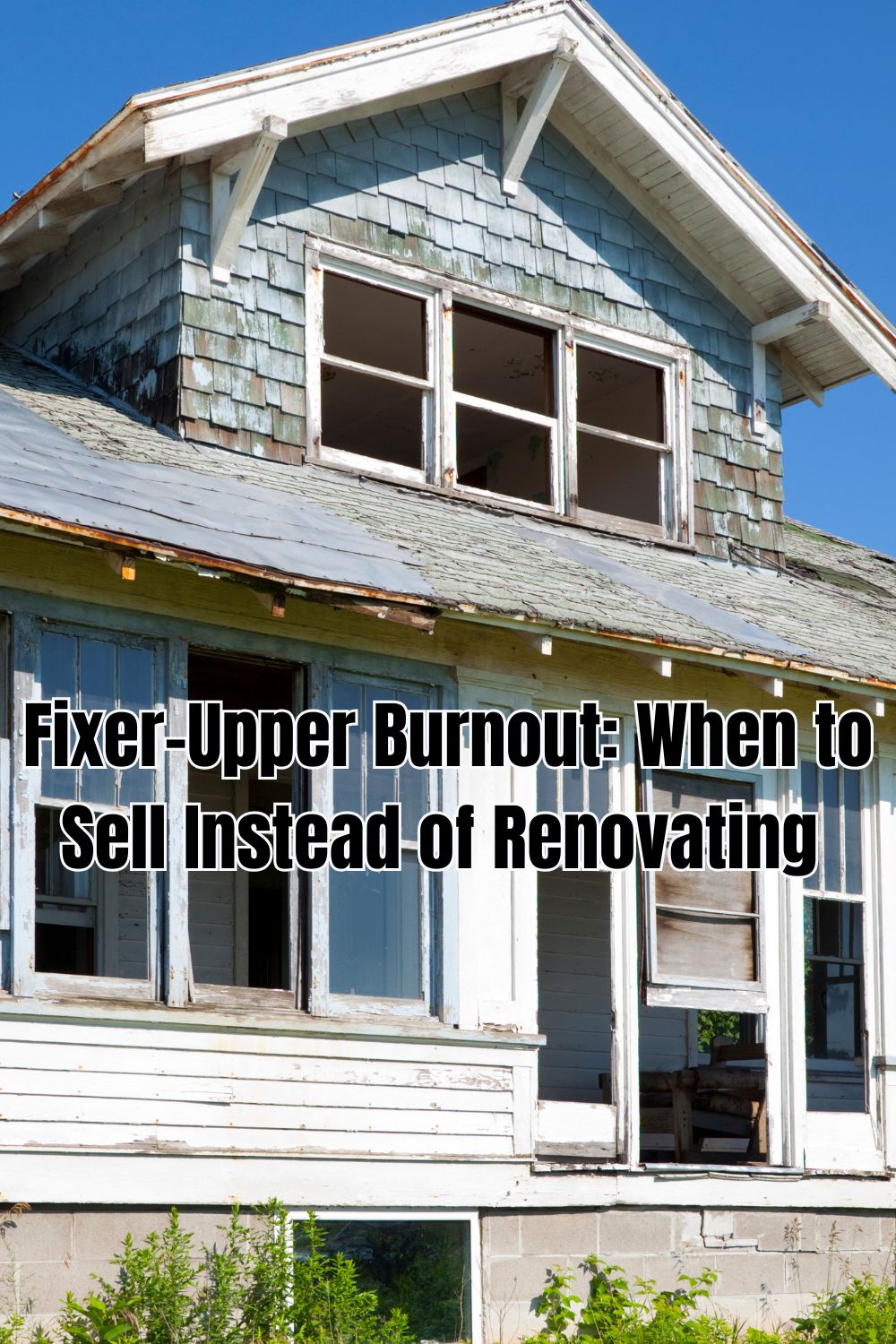
Fixer-Upper Burnout: When to Sell Instead of Renovating
Buying a house with a checklist of dreams is easy, but maintaining that dream through years of dust and rising costs is a different story. Many homeowners jump into a fixer-upper with high hopes of building sweat equity and creating a custom space.
Reality often hits when the budget disappears and your weekends are consumed by hardware store runs. Renovating a home requires a massive amount of physical energy and mental focus that can drain even the most dedicated DIY enthusiast.
Spotting the Signs of Renovation Fatigue
Burnout does not happen overnight, but it builds through constant small frustrations. You might find yourself dreading the sound of a power drill or feeling overwhelmed by the sight of unfinished drywall in your living room. Constant noise and awkward layouts create a steady background strain that impacts your physical and mental health. Living in a construction zone means your private sanctuary is gone, replaced by a workspace that never seems to close.
Missing your own deadlines for big events like hosting holidays can lead to deep disappointment. When a project that should have taken 3 months stretches into a year, the emotional toll outweighs the potential profit. You start to lose sleep over plumbing leaks and spend your dinner conversations arguing about paint swatches. This level of stress is a clear signal that the project has shifted from a passion to a burden.
Selling for Cash to Move On
At this point, pouring more money into the property might not make financial sense. When the project becomes too much to handle, a local real estate buyer who offers cash can provide a quick exit. These buyers take the property exactly as it is, which means you can walk away from the half-finished kitchen and the leaking roof without another thought. Selling this way lets you reclaim your time and sanity immediately.
Why Speed Matters
Market conditions in 2026 show that inventory levels are roughly 20% higher than last year. This increase gives buyers more choices, meaning they are less likely to settle for a house that needs work. If your home is currently a construction zone, it will struggle to compete with the move-in-ready options popping up in your neighborhood.
The Rising Price of a Dream Home
Money is almost always the primary source of tension during a home overhaul. Materials and labor costs are not what they used to be just a few years ago. Reports show the cost of renovating a standard three-bedroom home rose by over 20% in the last 2 years. If you did not plan for these spikes, your renovation budget will vanish before you finish the first floor.
Average whole-home renovation costs in the United States now range from $20,000 for small updates to over $100,000 for standard-sized homes. Many people find themselves in a “half-done” trap where they have spent their savings, but the house is still not livable.
The Gap Between Fixers and Finished Homes
Modern buyers are showing a strong preference for homes that do not require a tool belt on day one. Recent research shows that fixer-uppers are selling for a 7.3% discount compared to similar homes that are already remodeled. This is the largest discount seen in 3 years as people move away from the DIY trend.
If you try to sell a fixer-upper through traditional channels, you have to be very strategic about your marketing. You are looking for a specific type of buyer who has the cash and the patience to finish what you started. Many everyday buyers are hesitant to take on the time and costs involved in a major renovation.
- Higher labor costs make professional contractors harder to book.
- Financing for renovation loans has become stricter for many families.
- Newer homes offer energy efficiencies that old fixers struggle to match.
- The emotional stress of living in a mess can ruin personal relationships.
Assessing the Structural Reality
Sometimes the bones of the house are the problem, not just the cosmetic finishes. If you discover foundation issues or outdated electrical systems, the price tag for safety can jump by tens of thousands of dollars. These are “invisible” repairs that do not add much to the resale value but are required for a standard bank loan. A cash buyer does not worry about these hurdles, which simplifies the process for a burnt-out seller.
Reclaiming Your Weekends
Imagine a Saturday when you do not have to wear a dust mask or scrape old wallpaper. For many, the realization that they want their life back is the turning point. When you sell a project house, you are not failing – you are making a choice to prioritize your well-being over a piece of real estate. There is no rule saying you must finish every project you start, especially when it costs you your peace of mind.
Deciding to stop a renovation is a tough choice, but it is often the smartest one for your long-term health. The housing market changes, and your personal priorities change with it. If the joy of the project has turned into a daily grind, selling the property as-is might be the best renovation you ever do for your life. You get to walk away with your equity and a fresh start, leaving the saws and hammers behind for someone else to pick up.
Leave A Reply!