Introduce your curious preschoolers to the ocean with 7 fun activities that inspire learning and exploration at home.
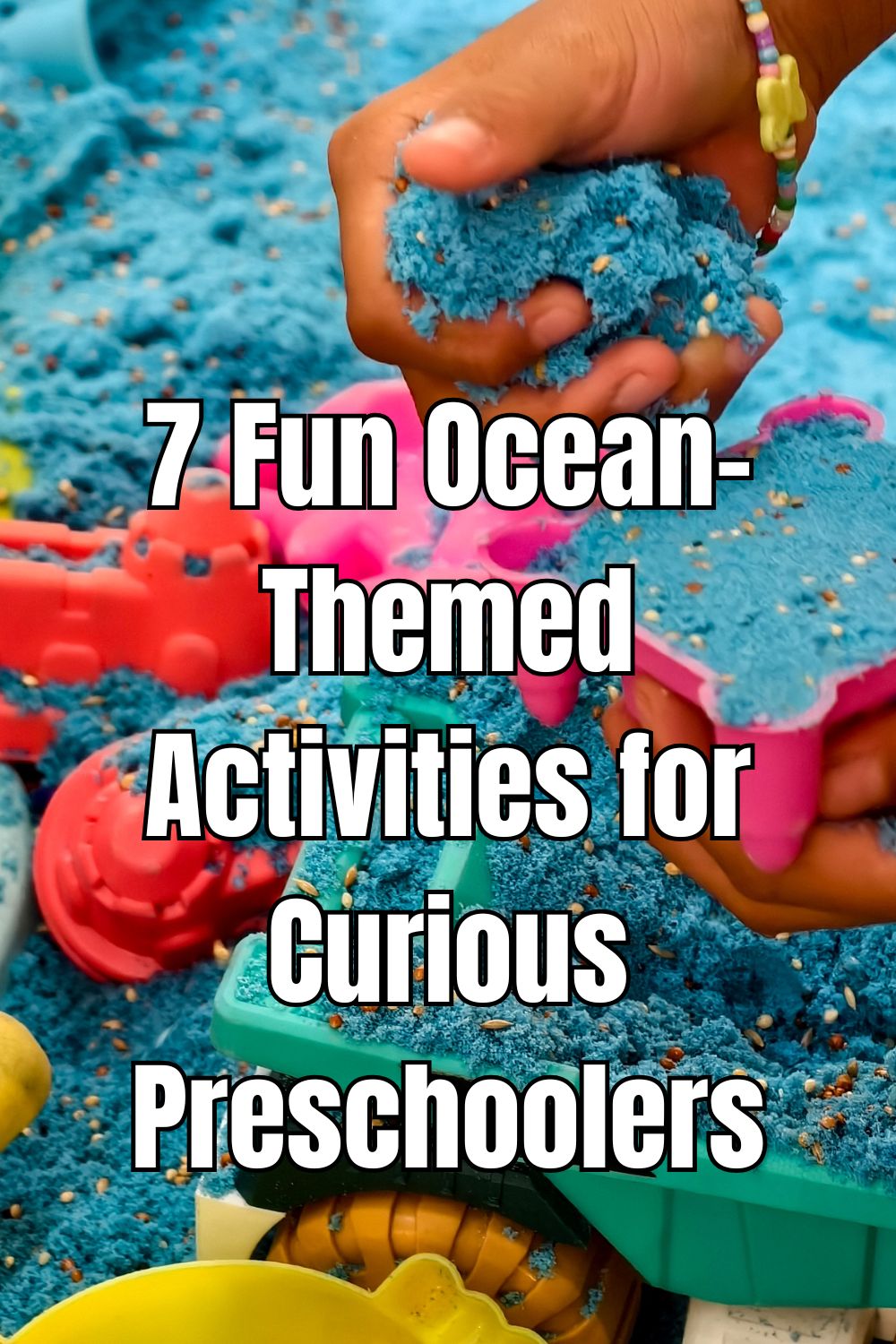
7 Fun Ocean-Themed Activities for Curious Preschoolers
Preschoolers have a natural curiosity about the world under the waves. The ocean is full of mystery and wonder for young children. They enjoy learning about the creatures that swim and the plants that grow in the saltwater.
Introducing these topics early helps spark an interest in nature. Parents can find many ways to bring the sea into the living room. These activities make learning fun for every small explorer.
Sensory Play with Water Tables
Water play is a favorite for most kids under the age of 5. They can spend hours pouring and splashing in a small basin. This type of play is more than just a way to stay cool on a hot day.
Research published by a national early childhood association found that water tables help 3 and 4-year-olds understand buoyancy. Kids see which items sink and which items float as they play. It gives them a hands-on look at physics without the need for complex books.
You can add plastic fish or shells to make the experience feel real. These additions help children engage with the water in new ways.
Imaginative Play with Marine Toys
Kids love cuddling with soft animals during story time. During these quiet moments, a realistic dolphin plush toy helps them connect with the marine world as they listen to tales of the sea. This hands-on connection makes the learning experience memorable for young minds.
Using toys allows children to act out the behaviors of different animals. They can pretend to swim through coral reefs or jump over waves. Play is the primary way that children process new information about the environment.
Creating Masterpieces with Ocean Art
Art projects allow kids to express their creativity using colors and textures. They can paint blue waves or glue sand onto paper to make a beach. Finger painting is a great way to represent the movement of the tide.
An educational guide from a major aquarium suggests that ocean art builds visual-spatial awareness in young students. This type of activity helps them visualize the scale of the underwater world. Children love using their hands to create something unique – it helps them build confidence.
Practicing Sea Animal Yoga
Staying active is a big part of a healthy childhood. Many parents find that yoga is a great way to help children calm down and focus. Moving like an animal makes the stretches feel like a game.
An article from a wildlife federation explained how yoga poses mimicking turtles or crabs help with physical coordination. These movements build strength in small muscles. Try these poses with your child today:
- The crab walk builds arm strength.
- The sea turtle pose stretches the back.
- The shark pose helps with balance.
- The jellyfish wiggle improves flexibility.
Learning Through Underwater Sounds
The ocean is a noisy place, even if we cannot hear it from the shore. Dolphins and whales use sounds to talk to each other across long distances. You can play recordings of these sounds for your preschooler to hear.
A resource from a global geography organization highlighted how dolphin clicks and whistles teach children about sound. They can try to mimic the noises with their own voices. It is a fun way to learn about communication in the animal kingdom.
Building Empathy with Dramatic Play
Acting out stories helps children understand the world around them. They can pretend to be marine biologists or animal rescuers in a play center. Providing props like nets or toy medical kits makes the play feel real.
A parenting site shared that acting out sea creature rescues builds empathy and problem-solving skills. They learn to care for the environment through these pretend scenarios. It encourages them to think about the needs of others.
Fun Facts About Marine Mammals
Marine mammals are fascinating as they breathe air just like we do. Kids are often surprised to learn that dolphins are not fish. Some species spend their entire lives in the deep ocean.
A teaching resource from a wildlife fund noted that learning about animal diets teaches the balance of nature. Some dolphins eat fish and squid to stay healthy and strong. This knowledge helps kids understand the food chain.
An ocean life summary from a museum stated that some wild dolphin species can live for 40 or 50 years. This long life shows how hardy these animals are in their natural habitat. Learning these facts makes every trip to the coast more exciting.
Ocean activities provide endless opportunities for growth and discovery. You can turn any afternoon into an adventure with just a few simple tools. Watching a child’s eyes light up as they learn about sea life is a rewarding experience.
These moments create lasting memories for the whole family. Exploring the wonders of the deep blue is a journey that never ends. Every new fact or craft project is a step toward a brighter future for the planet.
Leave A Reply!