Identify the 6 signs your home’s first line of defense needs a checkup to protect your family from harsh weather damages.
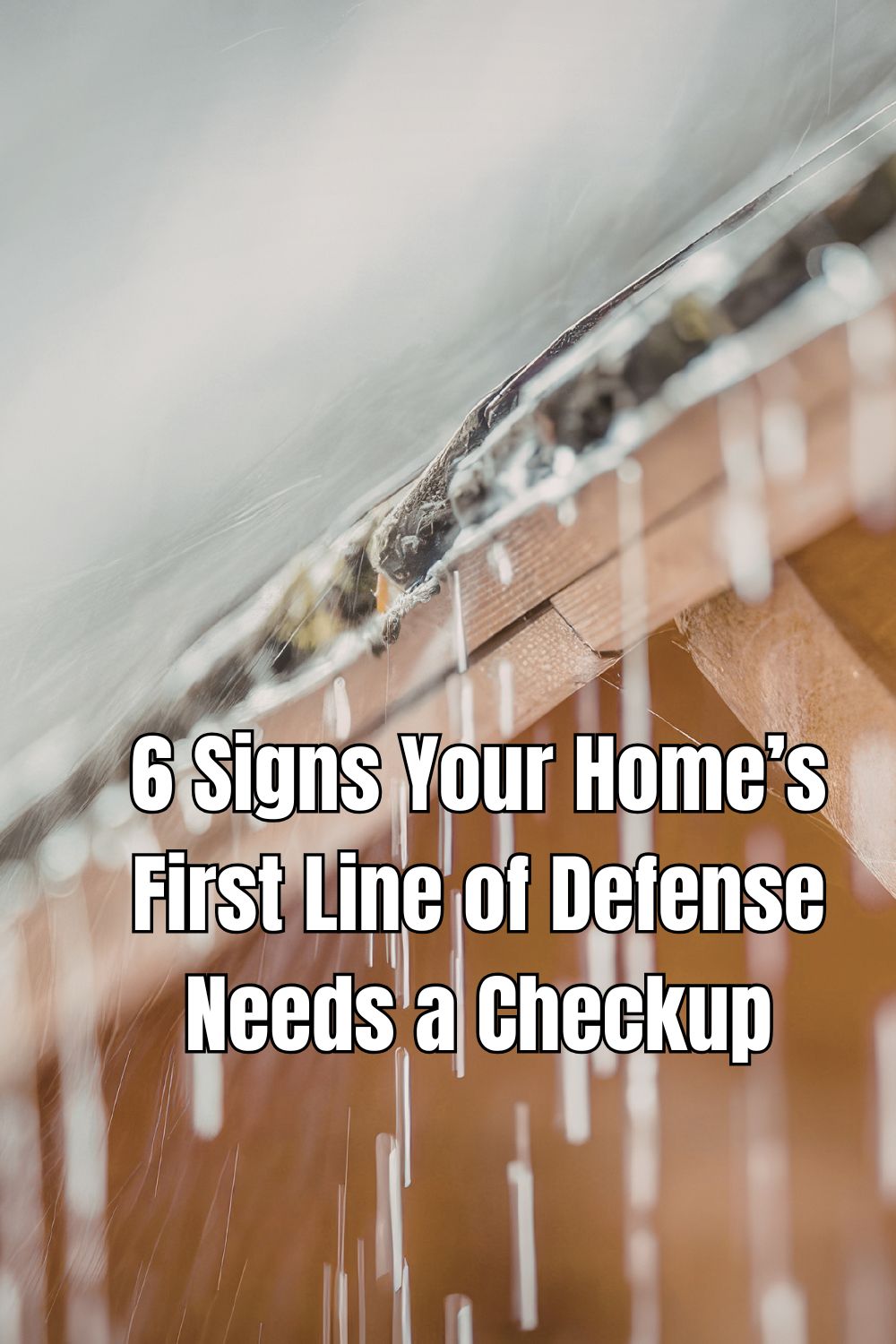
6 Signs Your Home’s First Line of Defense Needs a Checkup
Your roof stands as the primary shield against every heavy storm or intense summer heat wave that hits your area. It works hard every single day to keep your family dry and safe from the harsh elements outside.
Small issues often grow into expensive repairs if you choose to ignore them for too long after a season of bad weather. A quick look from the ground might reveal more trouble than you would expect to find upon first glance.
Missing Or Damaged Shingles After Storms
High winds often peel back heavy shingles or blow them away entirely during a seasonal storm or a sudden afternoon gust. You might spot these dark gaps from your front driveway or the back garden area if you look closely at the peak. Missing pieces leave the underlayment exposed to the rain and sun.
It is wise to inspect the wooden deck for any hidden leaks after a large storm. You should hire a certified roofing contractor to perform a detailed assessment of the shingle condition. These experts can spot tiny problems that the untrained eye might miss during a casual walk around the yard.
Look for shingles that appear cracked or curled at the edges during your regular home check. These visible signs suggest the material is reaching the end of its useful life and needs immediate attention from a professional team. Older shingles become brittle and lose their ability to shed water effectively.
Granules Filling Up Your Gutters
Check your downspouts for small pebbles that look like coarse grey sand after a heavy rain shower. These tiny granules protect the asphalt shingles from harmful sun rays and high afternoon heat that causes the surface to degrade.
Reports on the global roofing materials market indicate the sector reached a value of $138.7 billion in 2025. This massive scale shows how much homeowners invest in protecting their properties from the elements. A large investment deserves professional care to keep the structure in top shape.
When these protective bits wash away, the asphalt underneath becomes brittle and weak. Intense sunlight will bake the exposed surface until it eventually cracks under the heat and allows moisture to seep into your home. You should take action once you see a pile of grit at the end of your gutters.
Dark Streaks Or Moss Growth
Streaks that look like dirt are often a type of hardy algae living on the shaded surface of your roof. Moss can trap moisture against the shingles and cause the wood underneath to rot if it stays wet for too many days.
Signs Of Organic Growth
You should watch for these signs of organic growth during your seasonal inspection:
- Green fuzzy patches on north-facing slopes
- Black or brown stains running down the roof
- Wet spots that never seem to dry out
Damp conditions provide the perfect home for mold to spread throughout the internal structure of the attic. Professional cleaning might help temporarily, but deep rot requires a partial replacement to keep the home safe and sturdy for your family. A clean roof helps maintain the curb appeal and value of your entire property.
Sagging Roof Lines Or Decking
A straight roof line is a sign of a healthy and strong structure that supports the weight of the building. If you notice a dip or a curve, the wooden decking might be failing beneath the surface of the shingles.
Water trapped in the wood causes it to soften and warp over a long period of exposure. Structural shifts like this can lead to a dangerous collapse if the problem is left alone for many years without repair. You should call for a professional evaluation if you see any uneven slopes.
Heavy snow or ice dams put extra pressure on these weak spots during the cold winter months. Fixing the rafters is a priority for any homeowner facing a structural issue that could compromise the safety of the residence. Prompt repairs prevent the damage from spreading to the walls and foundation.
Interior Water Stains On Ceilings
Stains in the attic or on the top floor ceilings are clear red flags for any homeowner. These yellow or brown rings prove that water has bypassed the shingles and entered the attic space through a hole.
Common Entry Points
Tracking a leak requires looking at these common entry points:
- Cracked chimney flashing
- Damaged vent boots
- Clogged valley areas
The source of a leak is rarely directly above the visible stain on the ceiling or wall. Water travels along beams and pipes before it finally drips down into your living space and ruins your furniture or drywall. Checking the attic during a rainstorm can help you find the exact spot of the entry.
Sudden Spikes In Energy Costs
Your attic insulation needs a dry environment to keep heat inside the building during the winter. If the roof leaks even slightly, wet insulation loses its ability to regulate the internal temperature of your home.
Higher heating bills in the winter might point to a failing system that allows warm air to escape. Gaps that you cannot see from the ground let your expensive climate control vanish into the sky every single night. A sudden rise in monthly costs deserves a closer look at your exterior seals.
Proper ventilation works with the shingles to keep the home comfortable and dry throughout the changing seasons. A checkup can identify where your expensive air is leaking out through the top of the house without your knowledge. Fixing these gaps saves money and keeps your furnace from running constantly.
Taking care of your roof means taking care of everything beneath it, including your family and belongings. Small repairs today prevent the need for a total replacement tomorrow when the damage becomes too severe to fix.
Schedule a professional walk-through to gain peace of mind before the next big storm arrives in your town. Your home deserves a strong and reliable shield that can stand up to anything the sky throws at it.
Leave A Reply!