Why can’t young kids sit in the front of the car? Discover the serious safety concerns that make back seat riding essential for children.
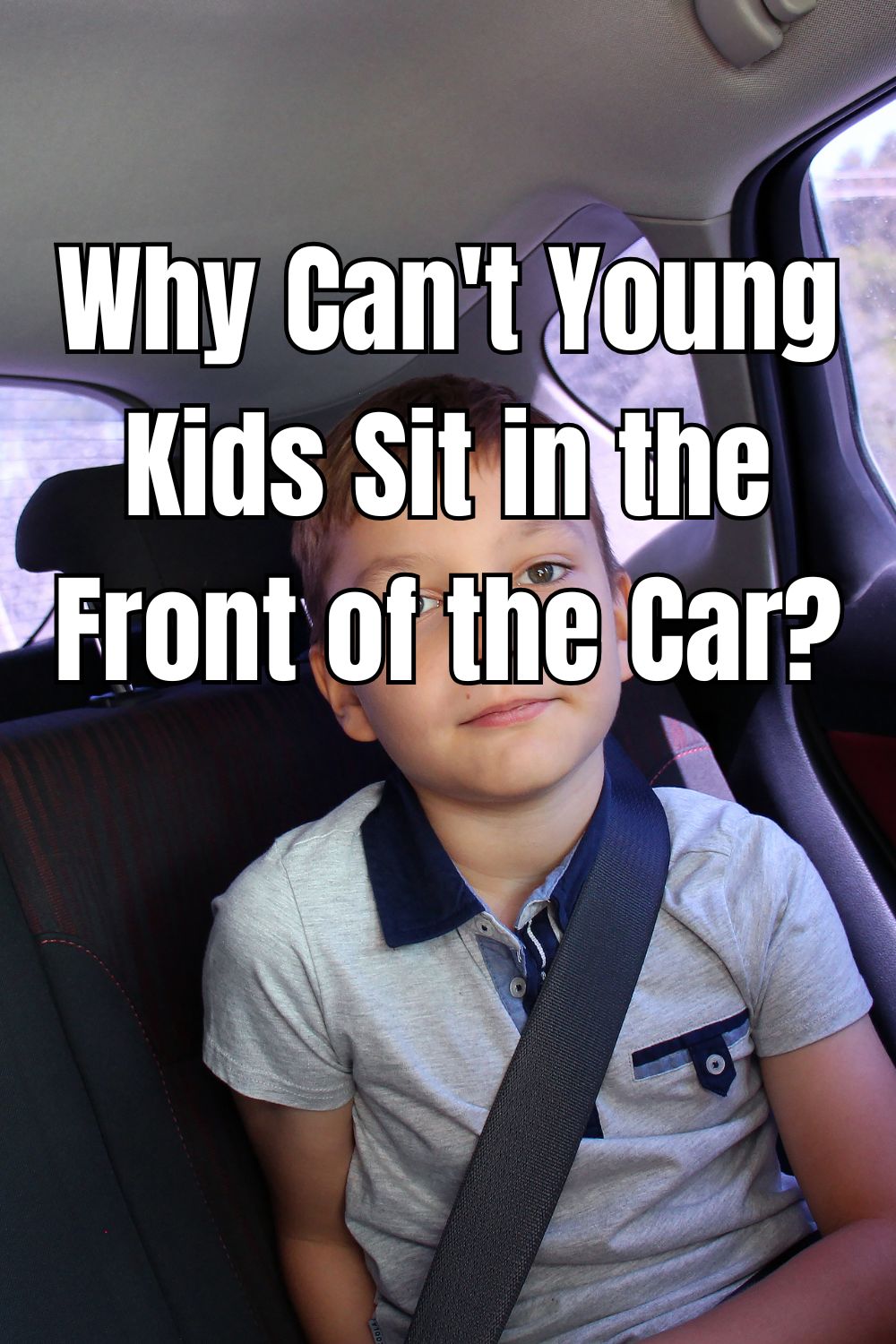
Why Can’t Young Kids Sit in the Front of the Car?
Young children should not sit in the front seat because the airbag system designed to protect adults can cause fatal injuries to small bodies. Rear-facing car seats and smaller frames make front-seat placement genuinely dangerous, not just a rule for the sake of rules.
Most safety organizations and state laws agree that children under 13 should ride in the back seat whenever possible. Understanding the front seat requirements for children helps parents make informed decisions that go beyond just following the law.
The risks are not theoretical. Data from the National Highway Traffic Safety Administration consistently shows that the back seat is the safest position for children in virtually every type of crash.
The Core Danger: Why the Front Seat Hurts Young Children
Passenger airbags deploy at speeds between 100 and 220 miles per hour. For an adult, that force is manageable. For a child, especially one in a rear-facing seat, it can cause severe head, neck, and chest trauma even in a minor collision.
Children also sit differently from adults. Their smaller size means seatbelt geometry is wrong for their bodies, increasing the risk of abdominal and spinal injuries during sudden stops.
What Rear-Facing Seats Have to Do With It
Rear-facing seats are specifically engineered to absorb crash forces through the shell of the seat rather than the child’s body. Placing one in the front seat puts the back of the seat dangerously close to an active airbag.
The NHTSA recommends keeping children rear-facing as long as the seat’s height and weight limits allow and always in the back seat during that stage.
What the Law Actually Says
There is no single federal law governing exactly when a child may move to the front seat. Instead, rules vary by state, and most are tied to age, weight, and height thresholds.
Key points about how these laws generally work:
- Most states require children to remain in a rear-facing seat until at least age 2.
- Forward-facing seats with harnesses are typically required until at least age 4 or 40 pounds.
- Booster seats are commonly mandated until a child reaches 4 feet 9 inches in height.
- Many states set a minimum age of 8, 12, or 13 before a child may legally sit in the front.
Why Age Alone Is Not Enough
Age is a rough guide, but body size matters more in practice. A tall 10-year-old may fit a seatbelt correctly, while a small 12-year-old does not.
The seatbelt fit test is a more reliable measure.
- The lap belt must lie flat across the upper thighs, not the stomach.
- The shoulder belt must cross the chest and shoulder, not the neck or face.
- The child must be able to sit with their back flat against the seat for the whole trip.
- Feet should rest flat on the floor without slouching.
If a child cannot pass all four of these checks, the back seat remains the right place regardless of age.
Short-Term Convenience vs. Long-Term Risk
Some parents move children to the front seat for practical reasons, such as monitoring a child with medical needs or managing carsickness. These situations feel justified in the moment but carry real risk.
The short-term convenience of having a child visible and within reach does not offset the crash injury risk from airbag deployment. Medical or comfort-related exceptions should be discussed with a pediatrician and, where possible, addressed with backseat solutions like better ventilation or repositioning the seat angle.
Key Takeaways
- Airbags deploy at extreme speeds and can cause fatal injuries to children sitting in the front seat.
- Rear-facing car seats must never be placed in front of an active airbag.
- No single federal law sets a front seat age limit, so state laws govern these requirements.
- Most states tie front seat eligibility to age, weight, and height thresholds rather than age alone.
- The seatbelt fit test is a practical and reliable way to determine if a child is ready for the front seat.
- Short-term convenience does not justify the crash injury risks of early front seat placement.
- Children under 13 should ride in the back seat as a general safety standard in all situations.
Leave A Reply!