Learn when to seek immediate dental care for your child to prevent long-term oral health issues after trauma.

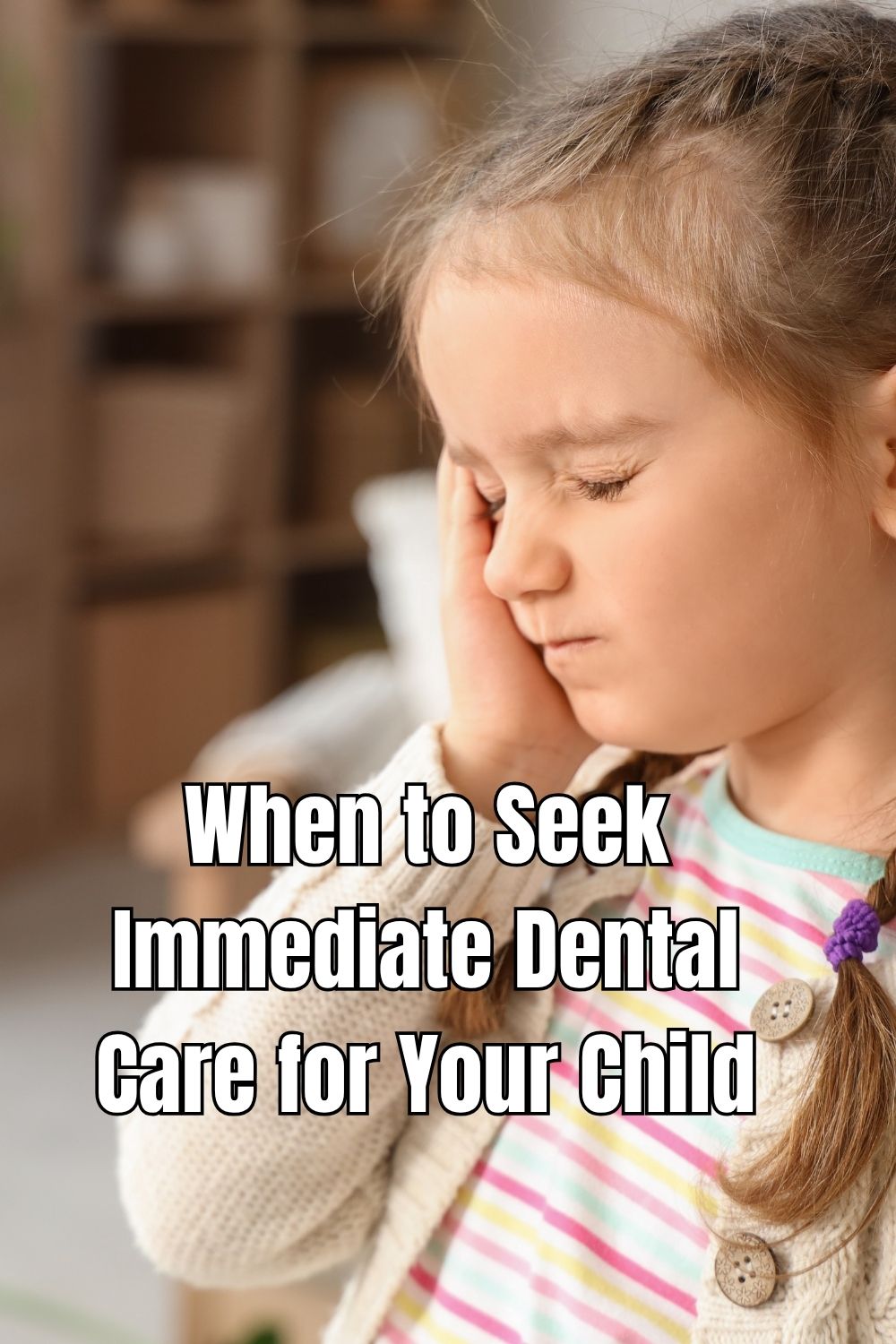
When to Seek Immediate Dental Care for Your Child
According to the American Association of Pediatric Dentistry’s 2024 emergency data, dental trauma affects nearly 25% of children before age 18, with peak incidence occurring between ages 7-11 when kids are most active but their permanent teeth are still developing. What makes these statistics particularly concerning is that many parents struggle to distinguish between situations requiring immediate professional intervention and those that can wait until regular office hours. As emergency departments nationwide report increasing numbers of pediatric dental visits that could have been better managed with prompt specialized care, the gap between urgent response and appropriate treatment continues to widen.
For families facing a child’s dental emergency, those first critical minutes often determine whether a traumatic incident becomes a minor inconvenience or a long-term oral health challenge. The difference between preserving a knocked-out permanent tooth and losing it forever can be measured in minutes, not hours. Understanding how to recognize true emergencies, provide effective first aid, and navigate the treatment process empowers parents to respond confidently when every second counts.
How to Recognize Signs of a Children’s Dental Emergency
The challenge most parents face isn’t identifying obvious trauma like a completely knocked-out tooth—it’s recognizing the subtler signs that indicate urgent intervention is needed. Children often minimize pain or can’t articulate what’s wrong, making assessment more complex than with adult patients.
Severe pain that interferes with normal activities represents the clearest red flag. If your child can’t eat, sleep, or concentrate at school because of dental discomfort, professional evaluation shouldn’t wait. Pain that escalates rapidly or doesn’t respond to age-appropriate pain relief indicates potential nerve involvement or infection that requires immediate attention.
Visible swelling in the face, gums, or jaw signals a developing infection that can spread quickly in children. Unlike minor gum irritation, emergency-level swelling typically appears puffy, feels warm to the touch, and may be accompanied by fever. Swelling that crosses the midline of the face or affects the child’s ability to swallow represents a potentially life-threatening situation requiring immediate emergency department care.
Bleeding that doesn’t stop with direct pressure after 10-15 minutes indicates tissue damage beyond normal healing capacity. While minor cuts inside the mouth heal quickly due to excellent blood supply, persistent bleeding suggests deeper injury requiring professional intervention. Similarly, loose permanent teeth need urgent evaluation—unlike baby teeth, permanent teeth that become mobile from trauma rarely tighten back up without professional stabilization.
Cracked or fractured teeth present a nuanced assessment challenge. Surface chips without pain can often wait for a regular appointment, but cracks extending into the tooth’s inner layers create pathways for bacteria and require prompt treatment. If your child reports sensitivity to hot or cold temperatures following trauma, or if you can see pink or dark areas within a crack, immediate care prevents complications.
Knocked-out permanent teeth represent true time-sensitive emergencies with the highest success rates for reimplantation occurring within the first hour. Baby teeth are never reimplanted, but permanent teeth lost to trauma can often be saved with immediate action and prompt professional care.
The key distinction emergency dental professionals make is between trauma requiring urgent intervention to prevent complications and pain management situations that can be temporarily controlled until regular treatment becomes available. When in doubt, most pediatric dental practices maintain after-hours emergency lines specifically to help parents navigate these decisions.Parents need to find a reliable practitioner of pediatric dentistry and orthodontics for children to ensure they have an immediate, trusted point of contact during dental crises. Securing this relationship early not only keeps childhood development on track but also offers immense peace of mind when unexpected injuries or severe toothaches occur.
What First Aid Can Parents Perform During Dental Emergencies
Effective first aid during dental emergencies focuses on pain control, preventing further damage, and preserving tissue or teeth until professional care becomes available. The goal isn’t to fix the problem—it’s to stabilize the situation and maximize treatment options for the dental professional.
Pain management starts with age-appropriate doses of ibuprofen, which addresses both pain and inflammation more effectively than acetaminophen alone for dental trauma. Cold compresses applied to the outside of the face in 15-minute intervals help control swelling and provide additional pain relief. Never apply ice directly to injured teeth, as extreme cold can damage already-compromised dental tissue.
Controlling bleeding requires gentle direct pressure with clean gauze or a soft cloth. Avoid rinsing vigorously, which can dislodge forming blood clots. If bleeding persists despite steady pressure, folding a tea bag and having the child bite down gently can help—the tannic acid in tea promotes clotting. For cuts to the tongue or lips, cold compresses and steady pressure usually control bleeding within 10-15 minutes.
How to Care for Knocked-Out or Broken Teeth
Knocked-out permanent teeth require immediate action for successful reimplantation. Pick up the tooth by the crown (white part) only—never touch the root surface. If the tooth is dirty, rinse briefly with milk or saline solution, not tap water. The best storage medium is the child’s mouth (tucked between cheek and gum), but if the child is too young or upset, place the tooth in cold milk, not water. Transport to professional care immediately, as reimplantation success drops dramatically after the first hour.
Fractured teeth should be handled gently to prevent further damage. Rinse the mouth with warm water and save any tooth fragments in milk. Cover sharp edges with dental wax, sugarless gum, or even a piece of soft cheese to prevent cuts to the tongue or cheek until professional repair.
Managing Swelling, Bleeding, and Pain in Emergencies
Facial swelling responds best to cold compresses applied externally—15 minutes on, 15 minutes off. Never place ice inside the mouth, which can cause additional tissue damage. If swelling develops rapidly or affects the child’s ability to swallow, seek emergency medical care immediately rather than waiting for dental treatment.
Soft tissue injuries in the mouth heal remarkably quickly with proper care. Gentle rinsing with salt water (1/2 teaspoon in warm water) keeps the area clean without disrupting healing. Popsicles or ice chips can provide pain relief while keeping the child hydrated, especially if eating solid food is uncomfortable.
What Are Best Practices for Managing Pediatric Dental Trauma?
Professional management of pediatric dental emergencies follows established protocols that prioritize immediate stabilization, thorough assessment, and long-term oral health preservation. Understanding these protocols helps parents set appropriate expectations and advocate effectively for their child’s care.
Initial assessment in emergency dental situations involves comprehensive evaluation beyond the obvious injury site. Pediatric dentists examine the entire oral cavity, check for jaw fractures or temporomandibular joint injury, and assess whether the child lost consciousness during the traumatic incident. This systematic approach prevents missed injuries that could complicate treatment later.
Imaging protocols for pediatric dental trauma typically begin with clinical examination and progress to radiographs only when indicated. Unlike adult emergency care, pediatric dental professionals minimize radiation exposure while ensuring comprehensive evaluation. Digital X-rays provide immediate results with lower radiation doses, allowing quick assessment of root fractures, displacement, or developing tooth position changes that affect treatment planning.
Treatment sequencing follows specific priority guidelines in pediatric emergency dentistry. Life-threatening situations receive immediate attention, followed by interventions to preserve permanent teeth, manage pain and infection, and finally address cosmetic concerns. This prioritization ensures critical treatment occurs first while maintaining the child’s comfort throughout the process.
Pain management strategies in pediatric emergency dental care extend beyond medication to include behavioral techniques and environmental modifications. Many children respond well to having parents present during treatment, clear explanations of what’s happening, and choices about non-essential treatment details. Experienced pediatric dental teams often use distraction techniques and positive reinforcement to manage anxiety while providing necessary care.
Follow-up protocols for dental trauma in children typically involve more frequent monitoring than adult cases because developing teeth respond differently to injury. Permanent teeth that experience trauma may show complications weeks or months later, requiring ongoing assessment of nerve vitality, root development, and proper positioning. Primary teeth that are injured close to the time when permanent teeth erupt need careful monitoring to ensure normal eruption patterns.
Documentation standards for pediatric dental emergencies serve both immediate treatment and long-term care planning. Detailed records of injury mechanism, initial symptoms, treatment provided, and response help future dental providers understand the complete picture if complications arise years later. Many children experience multiple dental providers throughout development, making comprehensive emergency records critical for continuity of care.
The integration of technology in pediatric emergency dental care has improved both diagnosis and treatment outcomes. Digital imaging provides immediate assessment capability, while advanced materials allow more conservative treatment approaches that preserve natural tooth structure. However, the fundamentals of prompt recognition, appropriate first aid, and timely professional intervention remain the most critical factors in successful emergency management.
How Can Parents Prevent Children’s Dental Emergencies?
Prevention strategies for pediatric dental emergencies focus on addressing the most common causes while maintaining realistic expectations about childhood activity levels. Research consistently shows that environmental modifications and protective equipment significantly reduce injury rates without restricting normal childhood development.
Sports-related prevention represents the most impactful area for parental intervention. Custom-fitted mouthguards reduce dental injury risk by up to 60% in contact sports, according to the Academy of Sports Dentistry’s 2024 guidelines. Unlike over-the-counter options, properly fitted guards stay in place during activity and provide adequate protection without interfering with breathing or communication. Many parents delay mouthguard introduction until high school sports, but peak injury risk occurs during middle school years when coordination is still developing.
Home environment modifications address the reality that most childhood dental emergencies occur during routine activities rather than organized sports. Securing area rugs that children might trip over, using safety gates at the top and bottom of stairs, and maintaining good lighting in play areas reduce fall-related injuries. Pool safety extends beyond drowning prevention—poolside areas where children run despite rules represent high-risk zones for facial trauma.
Behavioral education proves most effective when it focuses on specific, actionable guidelines rather than general warnings. Teaching children to avoid chewing ice, hard candies, or non-food items like pencils addresses common causes of tooth fractures. Similarly, establishing rules about playground equipment use—no standing on swings, proper climbing techniques, appropriate age guidelines for different equipment—reduces injury risk while maintaining active play opportunities.
Nutritional prevention strategies support overall oral health resilience, making teeth more resistant to fracture during trauma. Adequate calcium and vitamin D intake during peak tooth development years (ages 6-12) contributes to stronger enamel and root formation. Limiting sticky, chewy foods that can dislodge loose teeth or dental work prevents avoidable emergencies in children with existing dental treatment.
Vehicle safety considerations extend beyond standard car seat guidelines to include sports equipment transport and activity timing. Properly securing sporting goods prevents projectiles during sudden stops, while scheduling dental appointments and other commitments around peak injury times (after school, weekends) ensures professional care availability when accidents occur.
Sleep-related injury prevention addresses an often-overlooked source of pediatric dental trauma. Children who grind their teeth during sleep, experience night terrors, or sleep in elevated beds face increased injury risk. Night guards for grinding, safety rails for elevated sleeping areas, and addressing underlying sleep disturbances can prevent trauma during vulnerable nighttime hours.
Parents seeking dentistry for children in Gonzales often ask about age-appropriate prevention strategies, and the evidence supports early implementation of protective measures. Professional guidance helps families balance safety concerns with normal childhood activity, ensuring prevention strategies enhance rather than restrict development. The most effective approaches combine environmental safety, protective equipment, behavioral education, and professional monitoring to create comprehensive protection against dental emergencies.
What Are the Psychological and Long-Term Effects of Dental Emergencies?
The psychological impact of dental trauma on children extends far beyond the immediate physical injury, influencing oral health behaviors, anxiety responses, and overall comfort with dental care that can persist into adulthood. Understanding these effects helps parents and dental professionals provide comprehensive care that addresses both immediate treatment needs and long-term psychological wellbeing.
Dental anxiety development often traces back to traumatic dental experiences during childhood, particularly emergency situations where children feel helpless or experience significant pain. Research by the International Association of Paediatric Dentistry shows that children who experience emergency dental treatment without adequate psychological support demonstrate measurably higher anxiety levels during subsequent routine dental visits. This anxiety can create avoidance behaviors that compromise long-term oral health maintenance.
Self-image and social confidence changes frequently follow dental trauma, especially when permanent teeth are affected or treatment results in visible differences. Children who lose or damage front teeth often modify their social behaviors—smiling less, covering their mouth while speaking, avoiding certain foods in social settings. These behavioral changes can persist even after cosmetic restoration if the underlying psychological impact isn’t addressed during the recovery process.
Long-term oral health complications from emergency dental treatment depend heavily on the type of injury, timing of intervention, and quality of follow-up care. Permanent teeth that experience trauma may develop complications months or years later, including root canal problems, abnormal root development, or premature loss requiring ongoing treatment throughout adolescence and young adulthood. Primary teeth that are injured close to natural exfoliation time can affect permanent tooth eruption patterns, potentially requiring orthodontic intervention later.
Family dynamics and coping strategies play a crucial role in children’s psychological recovery from dental trauma. Parents who demonstrate calm, supportive responses during emergency situations help children develop resilience and positive associations with dental care. Conversely, parental anxiety about dental treatment often transfers to children, creating cycles of avoidance and fear that complicate future care.
Educational and social functioning can be temporarily disrupted following significant dental trauma, particularly when pain management, multiple appointments, or temporary aesthetic changes affect normal activities. Children may experience difficulty concentrating at school, reluctance to participate in social activities, or changes in eating habits that impact nutrition and growth.
The importance of addressing psychological effects alongside physical treatment cannot be overstated. Children who receive comprehensive care that includes emotional support, clear communication about treatment procedures, and follow-up assessment of psychological adjustment demonstrate better long-term outcomes in both oral health maintenance and overall comfort with healthcare experiences. For families facing these challenges, early intervention and ongoing support create the foundation for positive oral health relationships that last throughout life.
Leave A Reply!