Understanding what to expect during your first braces appointment can ease your anxiety and help you prepare for treatment.
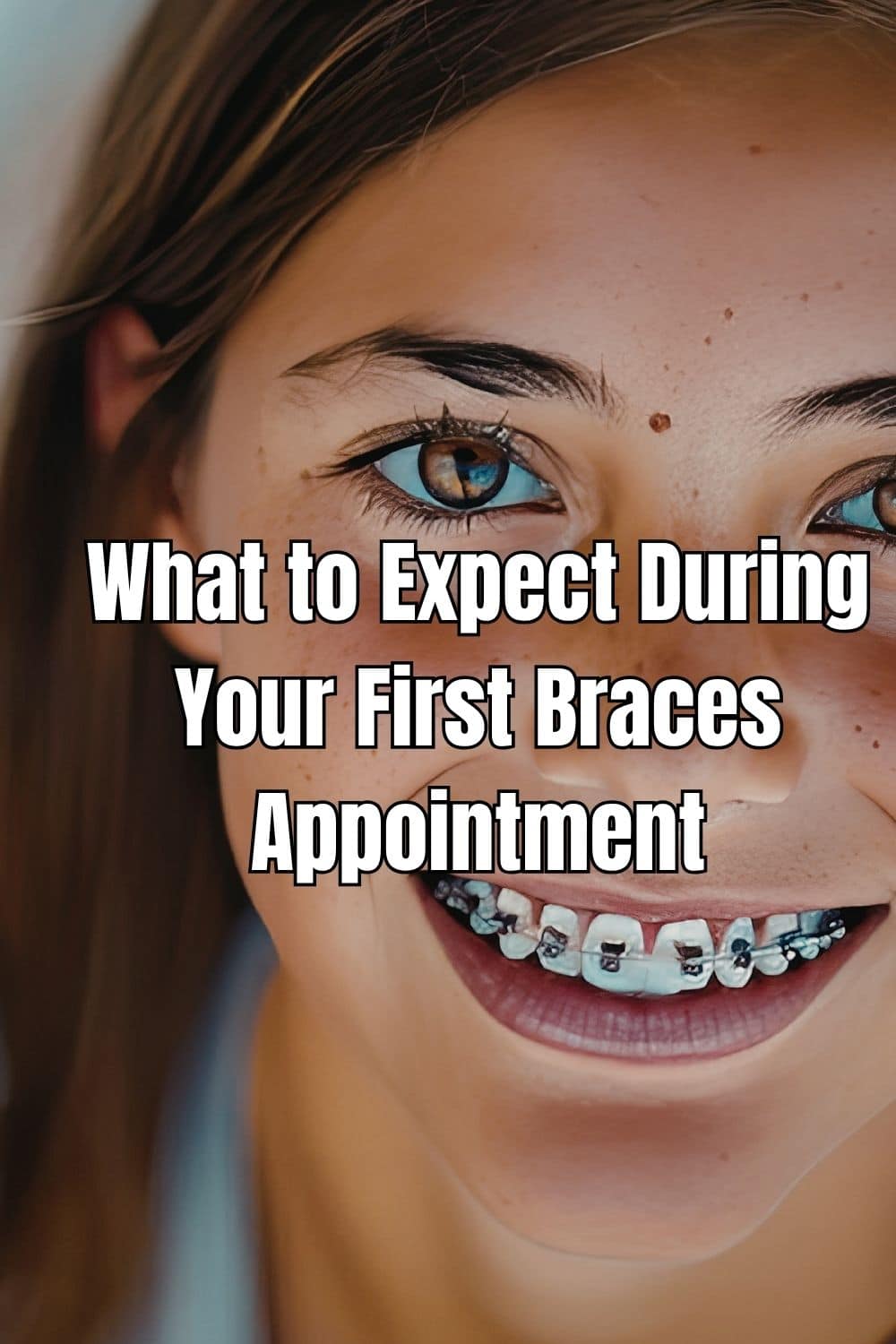
What to Expect During Your First Braces Appointment
Walking into an orthodontist’s office for the first time can feel overwhelming, especially when you’re not sure what lies ahead. According to the American Association of Orthodontists, nearly 4 million people in the United States currently wear braces, with treatment typically spanning 18 to 24 months. As orthodontic technology continues to advance and treatment options expand, the initial consultation has become more comprehensive than ever before.
That first appointment sets the foundation for your entire treatment journey. Whether you’re a teenager finally addressing crowded teeth or an adult pursuing the straight smile you’ve always wanted, understanding what happens during this initial visit can ease anxiety and help you make informed decisions. From detailed examinations and digital imaging to treatment planning discussions, orthodontists use this time to map out a personalized approach that fits your specific needs and lifestyle.
The process involves much more than simply getting fitted for braces — it’s about creating a roadmap for transforming your smile while ensuring your comfort and understanding every step of the way.
What happens during your first braces appointment
Your initial orthodontic consultation begins with a comprehensive examination that goes far beyond what you might expect. The orthodontist starts by reviewing your dental and medical history, asking about any previous orthodontic treatment, jaw pain, or difficulty chewing. They’ll examine your teeth, gums, and jaw alignment both visually and through gentle manipulation to assess how your bite functions.
Digital X-rays and photographs form a crucial part of this assessment. Panoramic X-rays reveal the position of all your teeth, including any that haven’t yet emerged, while cephalometric X-rays show the relationship between your teeth and jaw structure. Many offices now use 3D imaging technology to create detailed models of your mouth, eliminating the need for uncomfortable traditional impressions with putty-like materials.
The orthodontist measures spaces between teeth, evaluates your jaw alignment, and checks for issues like overbites, underbites, or crossbites. They’ll also assess your facial symmetry and how your lips rest when your mouth is closed. This comprehensive evaluation typically takes 45 to 60 minutes and provides the foundation for developing your treatment plan.
During this visit, you’ll discuss your treatment goals and any concerns about the process. The orthodontist explains what they’ve discovered during the examination and outlines potential treatment approaches. They’ll provide an estimated treatment timeline, though this can vary based on the complexity of your case and how well you follow care instructions throughout the process.
You’ll leave this appointment with a clear understanding of your orthodontic needs and what treatment will involve, setting the stage for the next phase of your journey.
Types of braces and how they influence the first appointment
The type of braces you choose significantly impacts what happens during your initial appointment and subsequent visits. Traditional metal braces remain the most common option, involving brackets bonded to each tooth and connected with wire. During your first appointment with metal braces, the orthodontist focuses on bracket placement precision, as proper positioning determines how effectively your teeth will move.
Clear or ceramic braces function similarly to metal braces but require additional considerations during the fitting process. The orthodontist must carefully match the ceramic material to your tooth color and discuss maintenance requirements, as these braces can stain if not properly cared for. The appointment may take slightly longer due to the precision required for color matching and placement.
For patients considering Invisalign or clear aligners, the first appointment involves creating detailed digital scans rather than traditional bracket fitting. The orthodontist uses specialized software to map out your entire treatment progression, showing you a virtual representation of how your teeth will move over time.
Metal versus clear braces differences
Metal braces offer durability and effectiveness for complex cases, making them suitable for patients with severe crowding or significant bite issues. During the first appointment, the orthodontist can immediately begin the bonding process if you choose this option, as metal brackets work with virtually any tooth color or condition.
The fitting process involves cleaning and drying each tooth, applying a bonding agent, and carefully positioning each bracket. The orthodontist then threads the archwire through the brackets and secures it with small elastic bands. This process typically takes 90 to 120 minutes for a full set.
Clear braces require more detailed preparation during the initial appointment. The orthodontist must evaluate your tooth color under different lighting conditions to ensure the ceramic brackets blend seamlessly. They’ll also discuss lifestyle factors that could affect the appearance of clear braces, such as coffee consumption or smoking, which can cause staining over time.
Lingual and ceramic braces overview
Lingual braces are placed on the back side of your teeth, making them virtually invisible from the front. However, this placement requires specialized training and significantly more time during the first appointment. The orthodontist must take detailed impressions to create custom brackets that fit the unique contours of the back surfaces of your teeth.
The initial consultation for lingual braces includes a thorough evaluation of your tongue space and speech patterns, as these braces can initially affect speech more than traditional options. The orthodontist will discuss the adjustment period and provide specific guidance for adapting to this treatment method.
Ceramic braces combine the effectiveness of traditional braces with improved aesthetics. During the first appointment, the orthodontist carefully selects ceramic brackets that match your tooth color and explains how to maintain their appearance throughout treatment. They may recommend specific oral hygiene products designed for use with ceramic brackets to prevent staining and ensure optimal results.
How braces work to straighten teeth
Understanding the science behind tooth movement helps explain why orthodontic treatment takes time and requires patience. Braces work through controlled pressure applied to teeth over extended periods, triggering a biological process called bone remodeling. When gentle, consistent force is applied to a tooth, the periodontal ligament that connects the tooth to the surrounding bone experiences stress.
This stress signals specialized cells called osteoblasts and osteoclasts to begin their work. On the side where pressure is applied, osteoclasts break down bone tissue, creating space for the tooth to move. Simultaneously, osteoblasts build new bone on the opposite side, filling in the space left behind. This process typically takes 21 to 28 days, which is why orthodontic adjustments usually occur monthly.
The archwire serves as the primary force delivery system. Made from materials like nickel-titanium or stainless steel, these wires maintain consistent pressure even as teeth begin to move. Modern orthodontic wires are designed to apply optimal force levels — enough to stimulate bone remodeling without causing damage or excessive discomfort.
Brackets act as handles attached to each tooth, allowing the orthodontist to control movement in three dimensions. They can tip teeth forward or backward, rotate them, or move them up and down. Advanced bracket designs include features like self-ligating systems that reduce friction and may speed up treatment while improving comfort.
Different teeth move at different rates due to variations in root size and surrounding bone density. Incisors typically move faster than molars because they have single roots and less dense supporting bone structure. This explains why you might notice changes in your front teeth before seeing movement in your back teeth, even though the entire system works together to achieve proper alignment and bite function.
Patient care and managing discomfort during early treatment
The first few days after getting braces require specific care strategies to manage discomfort and protect your new orthodontic appliances. Initial soreness is completely normal and typically peaks 24 to 72 hours after bracket placement. Your teeth are responding to the new pressure, and your mouth is adjusting to the presence of brackets and wires.
Soft foods become your best friends during this adjustment period. Consider incorporating smoothies, yogurt, scrambled eggs, pasta, and soup into your diet while avoiding hard, sticky, or crunchy foods that could damage brackets or increase discomfort. Many patients find that cold foods like ice cream or frozen yogurt provide additional relief from soreness.
Over-the-counter pain relievers like ibuprofen or acetaminophen effectively manage orthodontic discomfort when used according to package directions. Ibuprofen particularly helps because it reduces inflammation around the teeth and supporting structures. Some orthodontists recommend taking a dose before your adjustment appointments to minimize post-appointment soreness.
Your orthodontist will provide orthodontic wax to cover any brackets or wires that irritate your cheeks, lips, or tongue. Apply small amounts to problem areas, especially before eating or sleeping. If a wire becomes loose or broken, contact your orthodontist rather than attempting repairs yourself. In Passaic and surrounding areas, many patients find that seeking affordable braces in Passaic helps ensure they receive consistent care throughout their treatment journey.
Oral hygiene tips with braces
Brushing with braces requires modified techniques to effectively clean around brackets and wires. Use a soft-bristled toothbrush and fluoride toothpaste, brushing at a 45-degree angle to clean both above and below each bracket. Electric toothbrushes can be particularly effective for patients with braces, as the rotating or vibrating motion helps dislodge food particles from hard-to-reach areas.
Flossing becomes more challenging but remains essential for preventing cavities and gum disease during orthodontic treatment. Floss threaders or specialized orthodontic floss with built-in threaders help navigate around wires. Water flossers provide an alternative that many patients find easier to use consistently, though they shouldn’t completely replace traditional flossing.
Interdental brushes or proxy brushes work well for cleaning between brackets and around wire attachments. These small, cone-shaped brushes fit into spaces that regular toothbrushes can’t reach effectively. Use them gently to avoid damaging wires or loosening brackets while ensuring thorough cleaning.
Consider using an antimicrobial or fluoride mouth rinse designed for orthodontic patients. These products help reduce bacteria levels around brackets and strengthen tooth enamel that may be more vulnerable during treatment. However, mouth rinse doesn’t replace proper brushing and flossing — it serves as an additional protective measure.
Handling pain and adjustments
Adjustment appointments typically occur every 4 to 8 weeks throughout your treatment, and each visit may bring renewed soreness as wires are tightened or changed. The discomfort usually lessens with each subsequent appointment as your mouth adapts to the treatment process.
Ice packs applied to the outside of your face can help reduce swelling and numb soreness during the first few days after getting braces or following adjustments. Apply ice for 15-20 minutes at a time, taking breaks between applications to prevent skin irritation.
Saltwater rinses provide natural relief for irritated gums and soft tissues. Mix half a teaspoon of salt in a cup of warm water and gently swish for 30 seconds before spitting out. This remedy helps reduce inflammation and promotes healing of any minor irritation caused by brackets or wires.
Some patients experience increased tooth sensitivity during orthodontic treatment, particularly to hot or cold temperatures. Using toothpaste designed for sensitive teeth can help manage this discomfort. If sensitivity becomes severe or persists, discuss it with your orthodontist during your next appointment.
Common myths and key facts about braces treatment
Many misconceptions surround orthodontic treatment, often causing unnecessary anxiety for new patients. The myth that braces are extremely painful stems from outdated treatment methods and old-fashioned materials. Modern braces use lighter forces and advanced materials designed to minimize discomfort while maintaining treatment effectiveness.
Age-related myths persist despite evidence that orthodontic treatment can be successful at any age. While it’s true that younger patients may see faster results due to ongoing jaw development, adults can achieve excellent outcomes with proper treatment planning. The biological process of bone remodeling continues throughout life, making tooth movement possible regardless of age.
Treatment duration varies significantly based on individual factors, not arbitrary timelines. While average treatment takes 18 to 24 months, some cases require only 12 months, while others may need 36 months or more. Factors affecting timeline include the severity of crowding or spacing, patient compliance with care instructions, and individual biological response to treatment.
The belief that braces weaken teeth has no scientific foundation. When properly applied and maintained, orthodontic forces actually improve long-term dental health by creating proper alignment and bite function. Straight teeth are easier to clean effectively, reducing the risk of cavities and gum disease over time.
Lifestyle restrictions with braces are often overstated. While certain foods should be avoided to prevent damage, most patients adapt quickly and find they can enjoy nearly all their favorite foods with minor modifications. Sports participation is possible with proper protective mouthguards, and many professional athletes compete successfully while wearing braces.
Understanding these facts helps set realistic expectations and reduces anxiety about beginning orthodontic treatment. The key is working with an experienced orthodontist who can address your specific concerns and develop a treatment plan tailored to your individual needs and goals. Your first appointment opens the door to a journey that extends far beyond straight teeth — it’s an investment in your long-term oral health and confidence.
Leave A Reply!