Streamline your kitchen chaos with A 30-Minute Plan for Family Meals. Get organized and ready for the week ahead.
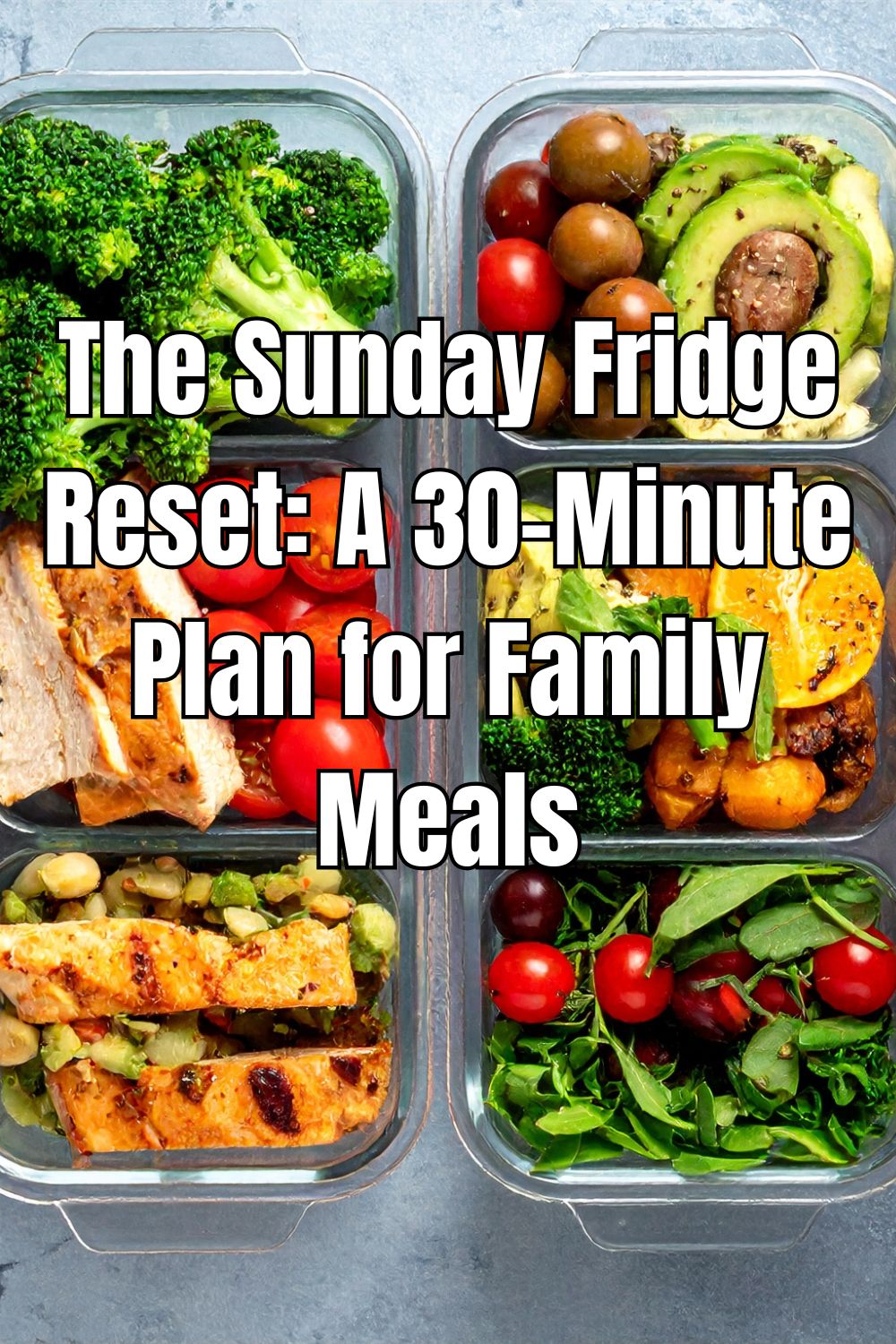
The Sunday Fridge Reset: A 30-Minute Plan for Family Meals
Sunday evening has a way of exposing every loose end in the kitchen. Groceries are still waiting to be sorted, last week’s leftovers are crowding the shelves, and Monday’s lunchboxes are approaching faster than anyone would like.
A Sunday fridge reset brings order to that chaos in just 30 minutes. It is not a full meal-prep session, and it does not require matching containers or a spotless refrigerator. The goal is simpler: make the food you already have easier to see, pack, cook, and use before it goes to waste.
Set a timer, move quickly, and resist the urge to reorganize every shelf. By the end, you will have a clear place for food that needs attention, easier lunch and snack options, three realistic dinner ideas, and a plan for the leftovers already taking up space.
Minutes 1 to 5: Take Stock Without Taking Everything Out
Start by setting a 30-minute timer. That small step keeps the reset from turning into an all-evening cleaning project.
Open the refrigerator and scan each shelf before moving anything. Look for food that is still usable, ingredients that need to be eaten soon, and anything clearly past its best. Check opened packages, produce drawers, dairy shelves, and leftover containers.
Remove empty bottles, spoiled food, and items no one realistically plans to eat. When a container is unlabelled or its history is unclear, ask before throwing it away.
A quick scan often turns up half a tub of yogurt, soft berries, leftover chicken, an open package of cheese, or an empty condiment bottle taking up valuable door space. These small finds can shape breakfast, lunch, or dinner over the next few days.
Keep a damp cloth nearby for obvious spills, but skip the deep clean unless it is truly necessary. This reset is about managing food, not creating a magazine-perfect refrigerator.
Minutes 6 to 10: Give Older Food the Front Row
Once the obvious clutter is gone, choose one shelf, bin, or clear section as an “Eat This First” zone.
Place ripe produce, opened packages, small leftovers, and foods with shorter use-by windows in this area. Eye level is ideal because food is far more likely to be eaten when everyone can see it.
The zone does not need a special label or matching organizer. A clear space near the front works just as well. Visibility matters more than appearance.
Before opening a new snack or ingredient, check this section first. Soft berries can go into oatmeal or smoothies. Cooked vegetables can become a quesadilla filling. Leftover chicken can be used in wraps, while a small serving of rice can anchor a quick lunch bowl.
Older children can help by choosing one item from the zone for their next snack or lunch. That gives them some independence while quietly reducing waste.
Minutes 11 to 17: Make Lunches Easier to Build
With older food visible, turn your attention to the coming week’s lunches and snacks.
Group the main lunch components in one easy-to-reach area. Cheese, yogurt, washed fruit, sliced vegetables, sandwich fillings, and spreads do not have to share the same container, but keeping them close together cuts down on morning searching.
A simple lunch formula can make decisions faster:
- One main, such as a sandwich, wrap, leftovers, or another protein
- One fruit or vegetable
- One snack
- One optional treat
Keep everyday snacks in a separate basket, drawer, or refrigerator bin. Portion a few servings of crackers, dried fruit, or other family staples when that will genuinely save time. There is no need to prepare an entire week at once.
Be selective about cutting produce in advance. Sturdy vegetables may hold up well for several days when stored properly, while sliced apples, cucumbers, and delicate greens can lose quality more quickly. Prepare only what your family is likely to eat soon, and leave the rest whole until needed.
The freezer can also provide a useful backup. A few sandwiches, muffins, or other familiar options can rescue a morning when everyone is running late.
Minutes 18 to 22: Store Food for How You Will Use It
Now that lunches are easier to assemble, decide what should stay in the refrigerator and what belongs in the freezer.
Start with the food itself. Rigid containers are useful for soups, complete meals, cut fruit, and anything that could be crushed. Smaller containers work well for lunch portions that will be eaten within the next few days.
Keep ingredients for tomorrow’s meal near the front. Food intended for later in the week can sit farther back, as long as it remains visible enough to remember.
If meat, bread, or prepared ingredients will not be used within their safe refrigerated window, divide and freeze them promptly. Portion ground meat by meal rather than freezing one large block. Separate cooked chicken into practical amounts for future wraps, pasta, or salads.
Families who regularly divide bulk groceries, freeze individual portions, or save ingredients for later may find vacuum storage products for family kitchens useful when a flatter, more compact storage method suits the food.
Label anything that may be difficult to identify later. A name and date are usually enough to prevent a frozen container from becoming a mystery.
Minutes 23 to 27: Choose Three Dinners, Not Seven
A fridge reset should make dinner easier, not lock the family into a rigid weekly schedule.
Choose three simple meals based on ingredients already in the house. Start with the “Eat This First” zone. If you have cooked chicken, peppers, and tortillas, one dinner is already taking shape. Pasta, sauce, and spinach can become another.
Group related ingredients when space allows. Keep taco toppings near the protein, place sheet-pan vegetables together, or set tomorrow’s dinner components where they will be easy to find.
Prep only the steps that will make a noticeable difference later. Wash sturdy vegetables, chop carrots for a stir-fry, or move frozen meat into the refrigerator early enough to thaw safely. Leave delicate herbs and greens whole until closer to mealtime.
Look for ingredients that can serve more than one purpose. Roasted chicken might become dinner one night and lunch wraps later. Extra rice can return as fried rice or a quick grain bowl.
Write the three meals on a sticky note, refrigerator board, or family calendar. Leave at least one evening open for leftovers, sandwiches, breakfast for dinner, or whatever the week demands.
Minutes 28 to 30: Give Every Leftover a Next Move
Use the final few minutes to decide what will happen to each leftover.
Move suitable portions into the lunch area. Freeze food that will not be eaten within its safe storage period. Label anything that is not immediately recognizable.
A useful plan might look like this:
- Pasta becomes Monday’s lunch
- Soup goes into the freezer in individual servings
- Roasted vegetables become Tuesday’s quesadilla filling
- Cooked rice is reserved for Wednesday’s stir-fry
Avoid keeping tiny amounts without a realistic use. One spoonful of mashed potatoes is unlikely to become a meal. Small portions are worth saving when they can contribute to something flexible, such as a frittata, grain bowl, soup, or fried rice.
Finish by leaving a short note on the refrigerator door: “Use chicken, berries, and spinach first.” It takes seconds and helps everyone understand what needs attention.
Then close the door. The reset is done.
A Clearer Fridge Makes the Week Easier
A Sunday fridge reset does not require expensive organizers, elaborate meal plans, or hours of preparation. It works because food becomes visible and every ingredient has a likely next use.
Some weeks, you may spend more time preparing lunches. Other weeks, the priority will be leftovers or a crowded freezer. Adjust the routine to fit what is actually happening in your household.
The refrigerator does not need to look perfect. It simply needs to help answer one practical question: What can we eat next?
When that answer is easy to find, school lunches come together faster, weeknight meals require fewer decisions, and groceries are less likely to disappear at the back of a shelf. Thirty focused minutes on Sunday can make the rest of the week feel noticeably lighter.
Leave A Reply!