Do you think your home needs a structural check-up? Check out these signs it just might!
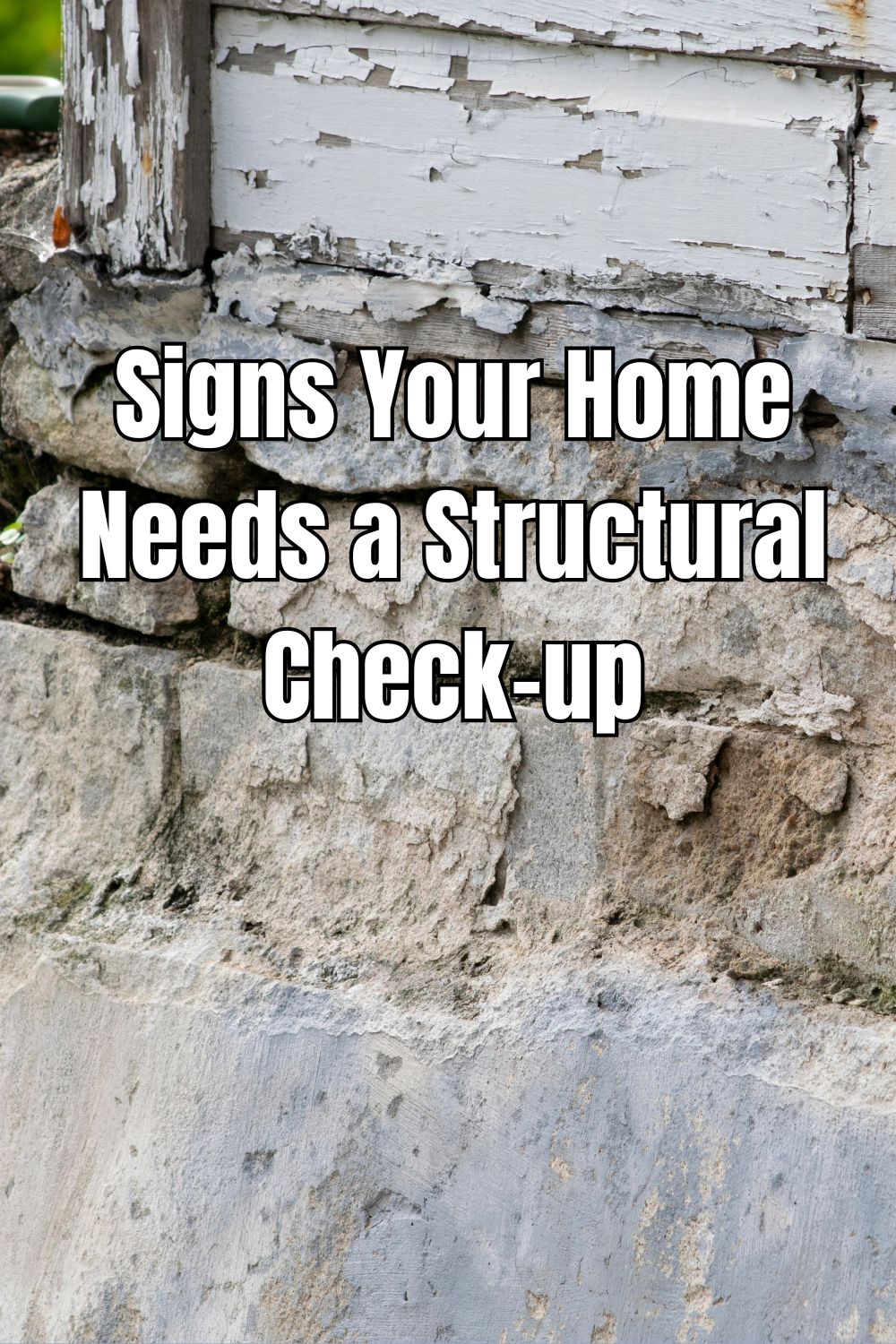
Signs Your Home Needs a Structural Check-up
Cracks: When to Worry
Cracks are one of those things homeowners worry about most, but not all of them mean trouble. Those tiny, hairline cracks in drywall or plaster usually happen because of seasonal changes, and you can often fix them with a little spackle and paint. The cracks you really need to watch out for are the big ones, ones that are growing, or ones that show up in certain patterns.
Keep an eye out for:
- Cracks wider than a quarter of an inch.
- Horizontal or jagged, stair-step cracks in your foundation walls or brickwork.
- Cracks that run diagonally from the corners of your windows or doors.
These kinds of cracks can mean your foundation is shifting or that there’s a lot of pressure on your walls. If you spot a crack that looks concerning, it’s a good idea to get a professional foundation, structural, and drainage risk evaluation to figure out what’s really going on. An expert can tell you if it’s just a cosmetic thing or a sign of something more serious.
Uneven Floors or Doors
Have you ever noticed a door that suddenly sticks or won’t latch right? Or maybe you’ve dropped something round and watched it roll straight to one side of the room. Floors that slope, ceilings that bow, or doors and windows that become hard to open and close can be subtle but important clues about a structural problem. These issues often pop up when your foundation or the support posts in your crawl space have shifted, making your house frame uneven. While a slightly sticky door might just be due to humidity, if the problem keeps happening or gets worse in several spots, it’s worth a closer look.
Water Intrusion Clues
Water is a huge enemy when it comes to your home’s structure. If your drainage isn’t great or your foundation isn’t sealed right, moisture can sneak into your basement, crawl space, or even your walls. Look for damp spots on drywall, paint that’s peeling near the floor, or that persistent musty smell you just can’t get rid of. Outside, check for puddles near your foundation after it rains. Too much moisture can weaken wooden supports, make the soil under your home expand or shrink unevenly, and eventually mess with the foundation itself.
Professional Assessment Benefits
It’s great to be an observant homeowner, but trying to diagnose a structural issue yourself isn’t the best idea. A professional has the training and tools to really figure out what’s going on. They can tell the difference between a small settlement issue and a big problem that needs immediate attention. A qualified inspector or structural engineer can pinpoint the source of the problem, whether it’s bad soil, water damage, or something built incorrectly. They can also give you a detailed report and suggest specific solutions to address home structure repairs the right way the first time. Getting an expert opinion gives you clarity and a solid plan to move forward.
Maintaining Home Safety
Just taking a regular walk around your property and through your home, looking closely, is a simple but powerful habit. Catching potential structural problems early is the best way to stop them from turning into huge, expensive disasters. Think of it like a regular health check-up for your house. By paying attention to these warning signs and acting quickly, you’re not just doing maintenance; you’re actively making sure your home stays safe and stable for years to come.
Being proactive about your home’s health can save you a lot of stress and money down the road. So, if you see something that worries you, don’t hesitate to call in a professional.

Leave A Reply!